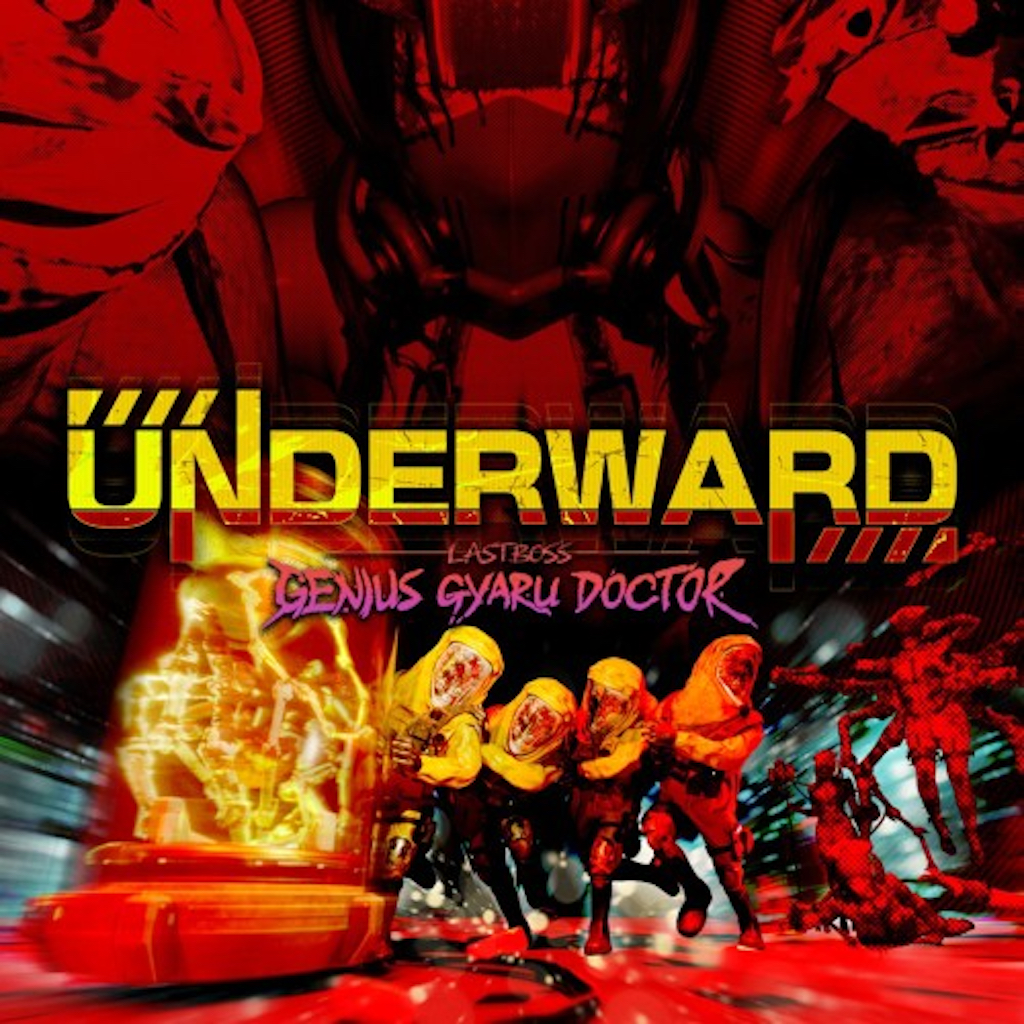
At its core, UNDERWARD: LASTBOSS tasks players with navigating a sprawling, procedurally generated underground hospital filled with dangers, obstacles, and mysterious facilities. The game’s randomized layouts ensure no two sessions are ever the same, keeping players on edge as they explore corridors, unlock new areas, and coordinate with friends in real time.
The primary objective is to recover test-subject capsules scattered throughout the facility while avoiding or outrunning a relentless pursuer. Time pressure adds intensity, forcing players to balance risk and reward as they decide whether to explore further or head to extraction points. Failure carries real consequences — a total wipe means losing all collected items and progress, raising the stakes of each decision.
Multiplayer & Social Features
Multiplayer is central to the experience. Players can team up in cross-platform sessions, leveraging proximity voice chat to coordinate strategies, warn teammates of threats, or call for assistance during high-pressure encounters. The synergy between players is essential; solo attempts are technically possible but far more punishing.
The linked transport system is a highlight, allowing multiple players to coordinate movement across large map areas quickly. This adds depth to tactical planning, whether shuttling recovered items to safe zones or orchestrating diversion tactics against pursuers.
Procedural Design & Challenge
The underground hospital is a procedural labyrinth, with randomized floors, corridors, and facilities keeping exploration unpredictable. Some areas serve practical gameplay purposes, while others contain surprises that force players to adapt their approach. This unpredictability ensures high replay value — familiar tactics may fail in a new map iteration, requiring constant improvisation.
Enemies in the game function as persistent threats rather than scripted encounters. Swarming mobs of enemies, varying in difficulty and behavior, constantly pressure players, requiring a mix of strategic retreat, careful planning, and cooperative engagement. The relentless primary pursuer amplifies tension, particularly as time counts down, creating moments of genuine suspense and urgency.
Strategy & Progression
The progression system in UNDERWARD: LASTBOSS emphasizes risk management and reward optimization. Items recovered during runs can be exchanged for randomized rewards, akin to a gacha system, which adds layers of decision-making: should you gamble on potentially better items or secure what you already have?
Carrying useful equipment to subsequent floors introduces a meta-strategy element. Players must prioritize items that will help them survive increasingly difficult areas, while constantly evaluating whether aggressive exploration or cautious extraction is the wiser choice.
Customizable uniforms and auras offer a cosmetic reward layer, giving players a sense of personalisation and achievement without affecting core gameplay mechanics. These small touches enhance immersion and encourage continued engagement.
Visuals & Audio
The game adopts a dark, atmospheric aesthetic, appropriate for its tense survival setting. Hallways are dimly lit, corridors twist unpredictably, and unexpected environmental hazards add suspense. Character and enemy design are stylized and exaggerated, reinforcing thematic tone without relying solely on tension from environmental hazards.
Audio design complements the gameplay exceptionally well. Ambient hospital noises, subtle creature sounds, and escalating audio cues heighten suspense, while proximity voice chat ensures player communication remains central. The combination of sound and visual design effectively immerses players in the high-stakes environment.
Strengths
Randomized Environments: Keeps exploration fresh and replayable.
High Tension & Challenge: Time-limited objectives and relentless pursuers create constant suspense.
Multiplayer Coordination: Cross-platform voice chat and linked transport systems encourage strategic teamwork.
Risk-Reward Progression: Gacha-style rewards and item retention mechanics reward careful planning.
Replayability: Procedural levels, randomized rewards, and tactical challenges ensure long-term engagement.
Weaknesses
Steep Learning Curve: New players may find the combination of procedural maps, enemy AI, and high stakes overwhelming at first.
Solo Difficulty: The game is best experienced with friends; solo attempts are punishing.
Niche Appeal: Stylized character designs and mature themes may limit appeal for some players.
High-Risk Mechanics: Total wipe penalties can feel harsh, particularly in early sessions while learning mechanics.
Overall Experience
UNDERWARD: LASTBOSS, Genius Gyaru Doctor excels as a tense, cooperative survival experience that rewards strategic thinking, teamwork, and adaptability. Its randomized hospital design, time-limited objectives, and persistent threats create a compelling loop of exploration and high-stakes decision-making. The game’s procedural generation and gacha-inspired item system provide plenty of replayability, while proximity voice chat ensures every multiplayer session feels dynamic and collaborative.
While not designed for casual or solo players seeking a low-pressure experience, it shines for those who enjoy cooperative challenge, improvisation under pressure, and a mix of strategic planning and risk management. The game’s visual and audio presentation heightens immersion, making every run a suspenseful, edge-of-your-seat adventure.
For players willing to embrace its punishing difficulty and mature-themed style, UNDERWARD: LASTBOSS delivers a unique, thrilling experience that balances tension, strategy, and replayable fun.
Final Verdict
UNDERWARD: LASTBOSS, Genius Gyaru Doctor is a high-tension cooperative survival game that blends procedural exploration, strategic gameplay, and team coordination into a memorable Nintendo Switch experience. Its randomized levels, relentless pursuers, and risk-reward systems ensure replayability and challenge, making it a standout title for players seeking intense, tactical cooperative adventure — while its mature stylization remains accessible for discussion without explicit focus.