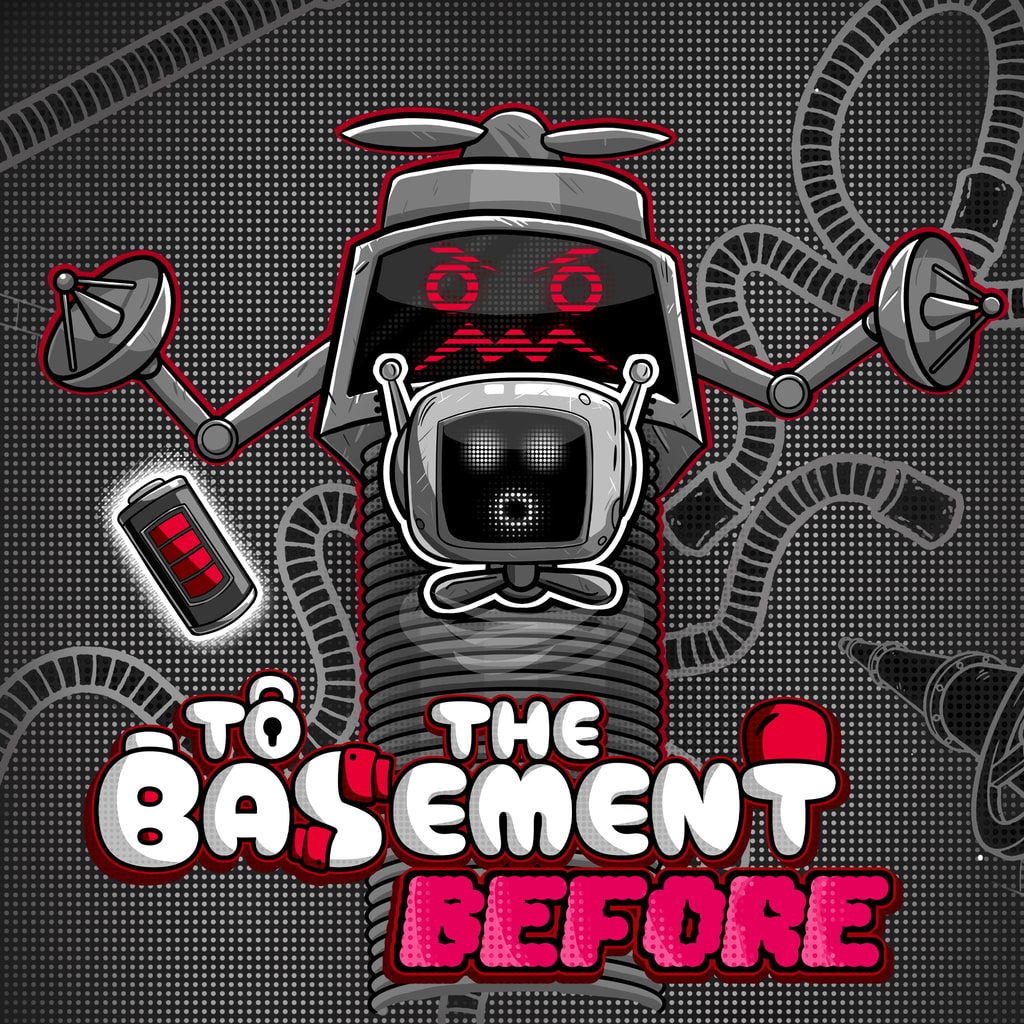
There is something wonderfully nostalgic about a game that captures the simple appeal of the arcade experience. Before massive open worlds, endless progression systems, and cinematic storytelling became the standard, games often focused on one core idea: creating a challenge that was easy to understand but difficult to master. To the Basement: Before embraces that philosophy wholeheartedly, delivering a compact and intense journey through a ruined underground facility where survival depends on precision, patience, and a steady hand.
Developed by HugePixel, To the Basement: Before serves as a prequel to the original To the Basement, expanding the story behind the mysterious bunker disaster that left an entire complex infected by a deadly virus. Players take control of one of the last remaining flying drones untouched by the corruption, tasked with descending into the depths of the abandoned facility to uncover crucial information hidden within its damaged systems.
The premise is simple, yet it creates an effective atmosphere. This is not a game about saving the world through grand heroics or commanding an army of survivors. Instead, it is about one small machine navigating a hostile environment filled with broken technology, deadly traps, and corrupted creations. The sense of isolation works surprisingly well, making every corridor feel like a dangerous unknown.
While the experience is undeniably short and designed around classic arcade principles, To the Basement: Before succeeds because it understands its limitations. It focuses on tight controls, challenging movement, and quick bursts of action rather than trying to stretch its ideas beyond their natural lifespan.
Gameplay
The biggest difference between To the Basement: Before and traditional platformers is immediately apparent. You are not controlling a character running and jumping across platforms. Instead, you pilot a flying drone through narrow underground environments, relying on momentum, positioning, and careful movement to survive.
This shift gives the game a distinctive rhythm. Flying through tight corridors demands constant attention, as every movement carries consequences. A slight change of direction can mean the difference between safely navigating a passage and crashing into a wall, trap, or security system.
The controls are simple to grasp but surprisingly demanding to master. The drone feels responsive, allowing quick adjustments when danger appears, yet the game never loses the sense of weight behind each movement. You need to think ahead rather than simply reacting at the last second.
This creates a satisfying learning curve. Early sections let players become comfortable with the flight mechanics before gradually introducing more complex, hazard-filled environments. By the later stages, every movement feels deliberate, and successfully navigating a difficult section provides a genuine sense of achievement.
The bunker itself is filled with obstacles designed to test your precision. Laser grids, automated defences, environmental hazards, and hidden dangers force players to carefully examine their surroundings before rushing forward. The darkness adds another layer of tension, as danger is not always immediately visible.
Thankfully, the drone has a unique advantage through its specialised vision system. This ability reveals hidden elements that would otherwise remain invisible, helping players identify threats and discover safer routes. It is a simple mechanic, but it fits perfectly within the theme of exploring a damaged technological environment.
The limited-range attack also adds variety to the experience. While combat is not the main focus, the ability to disable corrupted machines and defend against enemies prevents the journey from becoming purely about navigation. Knowing when to attack and when to conserve resources adds another small strategic element to the arcade formula.
A Compact Challenge Built Around Precision
The strongest aspect of To the Basement: Before is its grasp of pacing. This is not a sprawling adventure designed to occupy dozens of hours. Instead, it delivers a focused experience in which every level introduces new dangers and every mistake teaches something valuable.
The quick restart system plays an important role in maintaining momentum. Difficult sections can be frustrating, but the ability to try again immediately prevents failure from becoming discouraging. Like the best arcade games, the challenge encourages players to improve through repetition rather than punishing them for making mistakes.
Boss encounters provide a welcome change of pace. Throughout the bunker, players face malfunctioning security machines and corrupted structures transformed by the virus. These battles require more than simply avoiding attacks, demanding awareness of movement patterns and careful timing.
The bosses are not the most complex encounters you will find in an action game, but they fit the overall design perfectly. They provide satisfying milestones and give the player a clear sense of progression through the infected facility.
The game occasionally struggles with variety. The core mechanics are enjoyable, but the limited runtime means some ideas do not have as much room to develop as they could. More enemy types, additional environmental mechanics, or expanded boss designs could have elevated the experience further.
However, the shorter length also prevents the gameplay from becoming exhausting. To the Basement: Before understands that its greatest strength is intensity, and it avoids overstaying its welcome.
A Grim World Beneath the Surface
Atmosphere plays a major role in making the game memorable. The underground bunker is not simply a collection of levels; it feels like the remains of something that once functioned before everything collapsed. Broken machines, damaged systems, and infected technology create a sense of decay that weighs on every step deeper into the complex.
The retro-inspired visual style suits the setting. The darker colour palette and mechanical environments evoke loneliness, while the small drone protagonist feels vulnerable against the scale of the abandoned facility.
Controlling such a small character in such a hostile environment is effective. The drone is not a powerful warrior capable of destroying everything in its path. It is a fragile machine attempting to complete one final mission, and that vulnerability gives the adventure its tension.
The sound design reinforces this mood beautifully. The mechanical noises, environmental effects, and dark electronic soundtrack create a fitting atmosphere of isolation. The music never overwhelms the action, instead adding a constant sense of urgency as you explore deeper into the bunker.
Story and World Building
As a prequel, To the Basement: Before focuses less on traditional storytelling and more on deepening the mystery surrounding the bunker disaster. The narrative unfolds through the environment and the player’s discoveries rather than lengthy cutscenes or dialogue.
This approach suits the experience because the drone’s journey feels personal and lonely. There is no large cast of characters guiding the player, only a machine moving through the remains of a failed civilisation and uncovering fragments of what happened.
While players seeking a heavily developed story may find the narrative fairly minimal, those who enjoy environmental storytelling will appreciate the atmosphere. The game raises questions and invites players to imagine the larger events that led to the bunker becoming the dangerous place it is today.
Verdict
To the Basement: Before is a compact yet enjoyable arcade experience that succeeds through focus rather than scale. Its flying mechanics offer a refreshing alternative to traditional platforming, while the dark bunker setting creates a surprisingly effective atmosphere of isolation and danger.
The short length and limited variety prevent it from being truly exceptional, but the responsive controls, challenging navigation, and satisfying boss encounters make it enjoyable for fans of retro-inspired action games. It understands that sometimes a small, well-designed challenge can be just as rewarding as a much larger adventure.
This is a game built around mastering movement, learning from failure, and pushing deeper into an unforgiving environment. It may not reinvent the arcade genre, but it delivers a polished and atmospheric descent into mechanical chaos that respects the player’s time while still offering a worthwhile challenge.