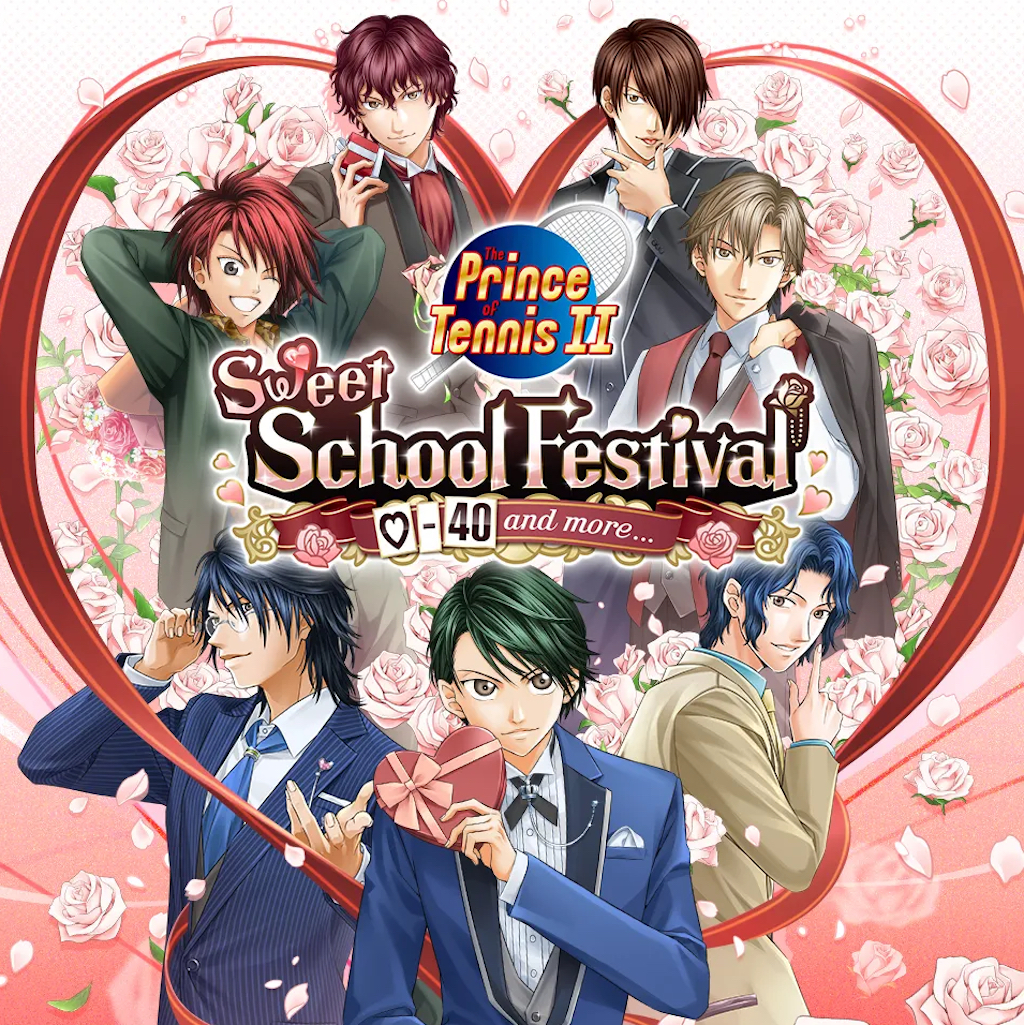
Some games thrive on epic quests, dramatic betrayals, or world-ending stakes. The Prince of Tennis Sweet School Festival ~♡-40 and more…~ goes in the opposite direction, placing its faith in something much simpler. It asks whether spending a few days helping to organise a school festival alongside an enormous cast of charming characters can be just as compelling as saving the world. Against all expectations, the answer is an enthusiastic yes.
Originally released in Japan more than two decades ago, this beloved otome adventure has finally received the worldwide release many fans thought would never happen. While Doki Doki Survival transported its cast to a deserted island, Sweet School Festival keeps everyone firmly grounded in familiar surroundings, allowing personalities, friendships, rivalries, and romance to take centre stage. The result is a game that feels wonderfully cosy, filled with humour, warmth, and an infectious enthusiasm for its source material.
Rather than relying on dramatic twists, the story celebrates everyday interactions. Preparing decorations, managing food stalls, solving small problems, and sharing quiet conversations become the building blocks of relationships that feel surprisingly sincere. Sometimes that is exactly what a visual novel needs.
A Festival Worth Remembering
The premise is delightfully straightforward. During a massive joint school festival featuring seven academies, the protagonist is selected to serve on the festival’s executive committee. Her responsibilities include helping one school’s tennis club prepare its attractions while guiding them towards victory in the competition.
This simple framework proves remarkably effective, constantly creating opportunities for interaction. Every task completed becomes another excuse to spend time alongside the colourful cast, whether discussing plans, sharing jokes, or lending a hand as preparations inevitably begin to fall apart.
The festival itself feels alive throughout. Characters move between responsibilities, stalls gradually come together, and there is always the sense that everyone is working towards the same event. It creates an atmosphere that feels authentic rather than merely serving as a backdrop for romance.
For longtime fans of The Prince of Tennis, seeing characters from rival schools working together instead of facing one another across a tennis court is genuinely refreshing. The game explores dynamics rarely seen elsewhere in the series, making familiar personalities feel new again.
Character Writing That Steals the Show
Like every great otome title, success ultimately depends on its cast. Fortunately, Sweet School Festival boasts one of the strongest ensembles in the genre.
With dozens of romanceable characters across multiple schools, nearly every imaginable personality is represented. Quiet intellectuals, energetic pranksters, dependable leaders, mysterious prodigies, and effortlessly charismatic rivals all have opportunities to shine.
What makes these routes memorable is their restraint. Romance develops naturally through shared responsibilities rather than exaggerated declarations of affection. Helping someone decorate a classroom or staying behind after everyone else has gone home often says far more than grand romantic gestures ever could.
The writing also understands comedy remarkably well. Group conversations frequently become highlights thanks to playful rivalries and wonderfully awkward misunderstandings. Even players pursuing a single romance route will likely find themselves smiling at interactions elsewhere in the cast.
Because the game balances romance with friendships so effectively, relationships feel grounded. Characters exist independently of the protagonist, maintaining their own ambitions, rivalries, and personalities throughout the story.
Familiar Mechanics Done Well
Mechanically, Sweet School Festival remains a traditional visual novel with light management elements. Players divide their time among committee duties, choosing activities, preparing festival attractions, and deciding who deserves their attention each day.
These systems are intentionally simple. Rather than overwhelming players with statistics or resource management, they are designed to encourage replayability and create meaningful choices between character routes.
Selecting different priorities naturally opens new conversations and exclusive events. Missing one interaction often means discovering another instead, giving every playthrough its own rhythm.
The structure also suits portable gaming particularly well. Individual in-game days progress at a comfortable pace, making it easy to enjoy short sessions without losing track of the narrative.
Veterans of modern visual novels may find some mechanics relatively straightforward by today’s standards, but they remain satisfying because they never distract from what matters most. Every decision exists to deepen character relationships rather than create unnecessary complexity.
A Beautifully Preserved Classic
Konami has wisely approached this release as a respectful remaster rather than a complete reinvention. Character portraits retain their distinctive style while benefiting from significantly improved resolution. Background artwork looks cleaner, event illustrations have been enhanced, and animated CG sequences lend welcome life to emotional scenes.
The interface has also received thoughtful refinements. Navigation feels responsive, menus are cleaner, and quality-of-life additions remove much of the friction associated with older visual novels. The experience feels modern without sacrificing its original identity.
Perhaps most importantly, the complete Japanese voice cast returns in excellent form. Every familiar voice helps preserve the personality fans remember, while newcomers deliver performances that remain engaging from beginning to end.
Music also deserves praise for perfectly complementing the festival atmosphere. Bright, cheerful melodies accompany busy daytime preparations, while softer arrangements enhance quieter romantic moments. The soundtrack rarely steals attention from the dialogue, yet it constantly reinforces the game’s relaxed tone.
More Than Pure Fan Service
It would be easy to dismiss Sweet School Festival as little more than fan service for existing followers of The Prince of Tennis. While it certainly celebrates its enormous cast, there is considerably more substance beneath the surface.
The central theme is teamwork rather than competition. Characters accustomed to measuring success by tennis matches instead find fulfilment in cooperation, creativity, and mutual support. Watching rivals work together towards a shared goal yields surprisingly heartfelt moments that extend beyond romance alone.
There is also a genuine sense of optimism running throughout the narrative. Problems arise, misunderstandings occur, and deadlines become stressful, yet the story consistently emphasises kindness, patience, and shared effort over conflict. That warmth gives the game an inviting atmosphere that remains enjoyable from beginning to end.
Even players with limited knowledge of the anime can appreciate the relationships, as the writing introduces personalities naturally. Existing fans will undoubtedly catch additional references and callbacks, but newcomers rarely feel excluded.
A Few Signs of Its Age
Despite its polished presentation, Sweet School Festival cannot entirely hide its origins. Some progression systems feel simpler than modern genre standards, and repeated playthroughs inevitably involve revisiting familiar scenes before reaching entirely new content.
Dialogue pacing occasionally reflects older visual novel conventions. Certain conversations run longer than necessary, particularly during exposition or festival planning. These moments rarely become frustrating, but they do remind players that this is a lovingly preserved classic rather than a newly designed experience.
Fortunately, the strength of the characters consistently outweighs these limitations. Spending time with such an entertaining ensemble remains rewarding, so minor pacing issues rarely diminish overall enjoyment.
Final Verdict
The Prince of Tennis Sweet School Festival ~♡-40 and more…~ is exactly the kind of remaster classic otome fans hope for. It respects its origins while introducing thoughtful improvements that make the experience far easier to enjoy on modern platforms. More importantly, it finally gives Western audiences the opportunity to experience one of Konami’s most celebrated romance adventures in an official localisation.
Its greatest achievement is transforming ordinary school festival preparations into something genuinely memorable. The romance feels sincere, the humour consistently lands, and the enormous cast delivers countless moments ranging from laugh-out-loud funny to quietly touching. Every interaction reinforces the feeling that these characters are spending meaningful time together rather than simply following a dating-simulator formula.
Players searching for fast-paced gameplay or dramatic action will obviously need to look elsewhere. This is a game built around conversations, choices, and emotional investment, and it excels precisely because it never loses sight of those priorities.
Whether you’re a lifelong Prince of Tennis fan finally revisiting a treasured classic or someone discovering these characters for the first time, Sweet School Festival remains an effortlessly charming experience. It captures the excitement of youth, the awkwardness of first love, and the satisfaction of creating something together, all wrapped up in one of the most endearing school festivals gaming has to offer.