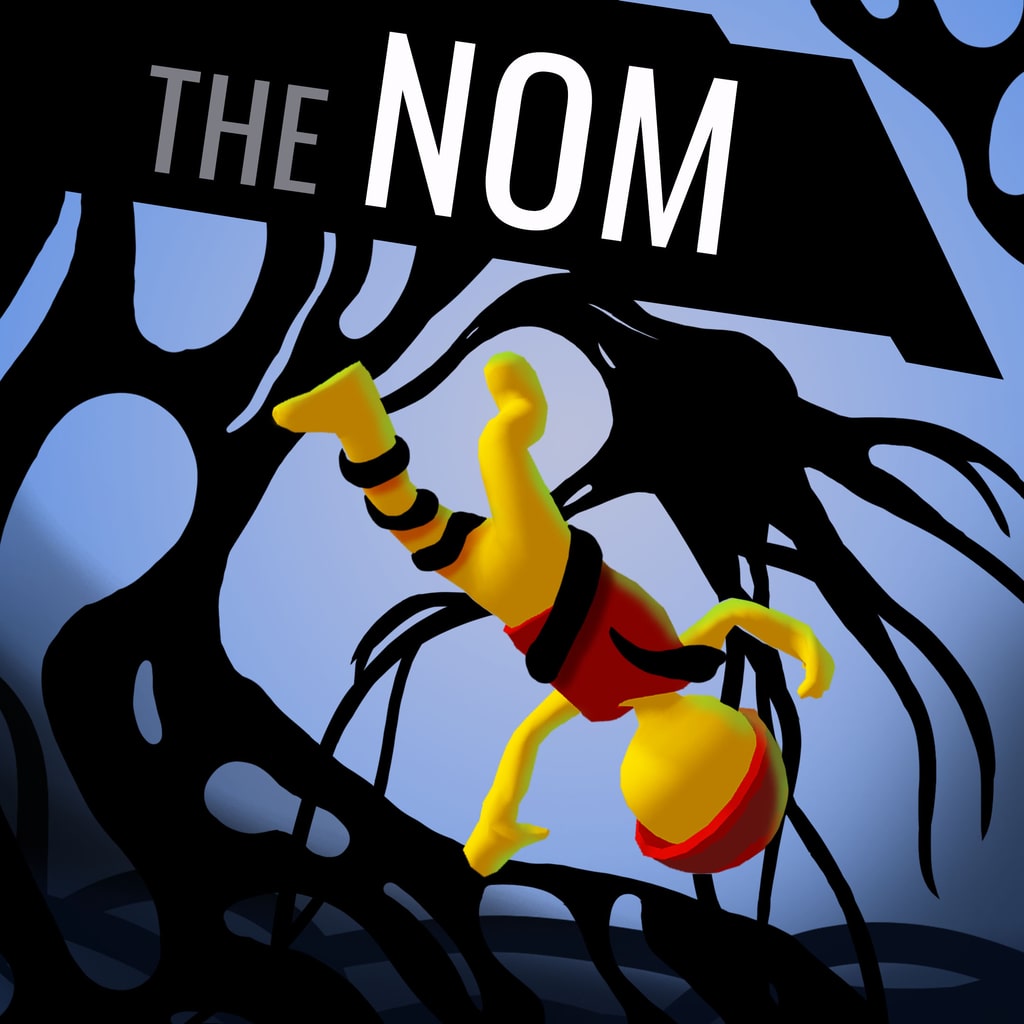
Survival simulators have enjoyed waves of popularity over the past decade, but few titles attempt to fuse the harsh, grounded realism of wilderness survival with a procedural, almost roguelike ecosystem of danger, hunger, and existential dread. The Nom doesn’t just visit this intersection — it stakes its claim there with formidable confidence. From the moment you spawn amidst the wilds with nothing but instinct and an empty stomach, the game’s design philosophy is clear: survive, adapt, and understand that every resource matters.
After dozens of hours navigating its unforgiving biomes, wrestling with hunger mechanics, and establishing precarious footholds in a world that feels genuinely hostile, The Nom stands out as one of the most disciplined and immersive survival experiences in recent years. It doesn’t pander to rapid progress or trivialise challenge; it demands attention, patience, and persistence. For players who love survival sims that feel like survival, this is one of the more compelling iterations yet.
Premise and Worldbuilding
The narrative framing of The Nom refuses to be loud or extravagant. There are no sprawling cinematic cutscenes or sprawling lore dumps — just you, alone, dropped into a vast and hostile ecosystem that feels alive. The absence of a prescriptive story is intentional and effective: instead of reading about survival, you experience survival. The world is more than a backdrop; its systems — hunger, weather, terrain features, wildlife behaviour — are its language.
From dense forests with predatory threats to icy tundras that sap vitality with unforgiving consistency, the various biomes feel distinct and consequential. Environment is not decorative; it affects you. Wind chill drains warmth. Storms soak clothing. Dark forests obscure sight and mute sound. Every choice about where to travel, where to shelter, and when to harvest resources carries weight. This is not a candy-coloured survival sim devoid of peril — it is a world that tests you.
The lack of heavy narrative scaffolding could have left the world feeling empty, but instead it fosters readerly engagement: players derive meaning from experience. What appears as silence is really a canvas — one painted with risk, consequence, and emergent survival stories.
Core Mechanics: Hunger, Health, and Environmental Pressure
Where The Nom distinguishes itself most clearly is in how it models basic survival needs. Hunger isn’t just a gauge that ticks down slowly; it is an ever-looming force that shapes strategy. Every decision, from where you forage to how long you explore a cave system, must be weighed against caloric reserves and food value. Unlike many survival games where hunger can be a background concern, here it anchors play — if your character goes hungry, consequences are swift and unforgiving.
Health integrates with hunger in meaningful ways. Damage isn’t just lost hit points; it accrues bleed-over effects like blisters, exhaustion, or infection risks. Cold doesn’t merely affect animation; it directly impacts your metabolism and healing rate. Environmental pressure — rain, cold nights, steep ascents — is not merely visual ambience but a mechanical force shaping decision-making.
This holistic survival model means that The Nom never feels like a superficial race against simple timers. Instead, it feels like a negotiation with a simulation where environmental forces, resource scarcity, and your own strategic prioritisation are in constant tension.
Exploration and Environmental Storytelling
The Nom’s world is a tapestry woven from careful environmental design. Caves hint at mineral veins and water sources; abandoned camps suggest previous travellers and possible loot; thunderstorms and wind patterns telegraph future conditions. The visuals — muted earth tones, dynamic weather, and shifting light — reinforce the sense of being a small creature in a world that is fundamentally indifferent.
This worldbuilding is not flashy, but it is effective. Landmarks serve as navigational aids rather than quest pointers, and scattered debris or foliage anomalies often hint at deeper resources or threats. The beauty of exploration in The Nom is not in discovering another vista, but in understanding the rules of that vista — what it demands from you and how to negotiate it.
Procedural variance ensures that no two runs feel identical. While the biome templates remain recognisable, the spacial distribution of resources, hazards, and wildlife shifts meaningfully between runs. This encourages players to remain adaptive rather than reliant on memorised routes.
Crafting, Building, and Tactical Choices
Crafting in The Nom is a slow, considered process. There are no sprawling tech trees that escalate into science-fiction absurdity; instead, every tool, shelter, and campfire feels grounded in necessity. Stone knives, makeshift shelters, simple traps — these are not just mechanics but props in a survival drama where every item’s purpose is literal.
The interface for crafting is functional without being overwhelming. Recipes make sense logically, and building pads or crafting stations occupy spatial presence in ways that require players to think tactically about placement. Shelter construction, for example, is not just an aesthetic exercise — building near water, under foliage, or next to rock outcroppings affects environmental exposure and resource efficiency.
Fires and heat sources are central to survival. Rather than igniting fire with a single click and never revisiting it, The Nom requires ongoing investment: fuel gathering, wind shielding, and positioning become recurring tactical considerations.
This focus on maintenance rather than acceleration makes the crafting loop deeply satisfying, especially when combined with the game’s environmental pressures. A poorly constructed shelter isn’t just inconvenient — it can mean frostbite, illness, or forced retreat.
Combat and Wildlife
Encounters with wildlife are tense and seldom trivial. Creatures within The Nom’s world are not designed merely as XP sources; they are dynamic actors within the ecosystem. Predators stalk with unpredictable behaviour, and prey animals flee in ways that challenge both tracking and timing. Combat is not twitch reflexes, but positional and weapon-choice prioritised.
Early weapons are basic — club, spear, makeshift bow — but each has situational utility. Running headlong into a predator with a spear is not the same as luring it into a trap or wearing it down with ranged attacks. The AI behaviours are credible rather than formulaic: some animals flee in panic, others circle for weak points, and larger threats exhibit persistent aggression rather than scripted patterns.
It’s worth noting that animals are not merely obstacles; they are integral to resource loops. Meat, hide, bone — these supply vital nutrition and crafting components. This brings moral and strategic tension: will you risk hunting a dangerous animal for meat and supplies, or avoid confrontation and live off sparser forage?
Difficulty Curve and Accessibility
The Nom operates closer to the unforgiving end of the survival spectrum. Newcomers who expect forgiving tutorials or gradual ramping may feel overwhelmed initially. Hunger, weather, and wildlife challenge players immediately, and early deaths are common — not because of clunky controls, but because the game demands understanding before mastery.
However, this challenge is not punitive; it is teaching. Each failure underscores a lesson about resource pacing, environmental risk, or tactical approach. The game doesn’t belabor you with text prompts; instead, it lets the world educate — cold bites, stamina drains, and depleted food caches all serve as real-time feedback.
For players seeking accessibility options, the game provides adjustable survival parameters. Those who desire a softer curve can enjoy more forgiving hunger depletion, weather impacts, and wildlife aggression. This flexibility broadens the game’s reach without undermining its core survival identity.
Critiques and Limitations
While The Nom is a robust and engaging survival experience, it isn’t without imperfections:
- Repetitive Resource Gathering: In extended runs, gathering familiar resources can become rhythmically repetitive. Varying quotas or mini-objectives could mitigate this fatigue.
- Sparse Narrative Context: While emergent storytelling is a strength, players craving structured narrative arcs may find the game’s environmental storytelling too light.
- UI Density: Inventory and status UI, though functional, can feel overloaded during high-pressure moments and would benefit from streamlined overlays or priority filters.
These critiques are relatively minor in the context of a deeply mechanical survival sim, but addressing them would enhance long-term engagement.
Final Verdict
The Nom is a survival simulator that doesn’t dilute its design for accessibility or superficial spectacle. Instead, it commits to a vision of survival as negotiation with an indifferent world. Its systems — hunger, weather, crafting, tactical positioning — interlock with satisfying precision, making each surviving day feel like a noteworthy accomplishment rather than an inevitability.
For players who relish survival sims that respect intelligence, reward planning, and challenge through emergent systems rather than artificial momentum, The Nom is a compelling and deeply satisfying world to inhabit.