Few genres have influenced modern action games as profoundly as the Soulslike formula. The deliberate combat, punishing difficulty, and atmospheric storytelling pioneered by FromSoftware have inspired countless developers over the past decade.
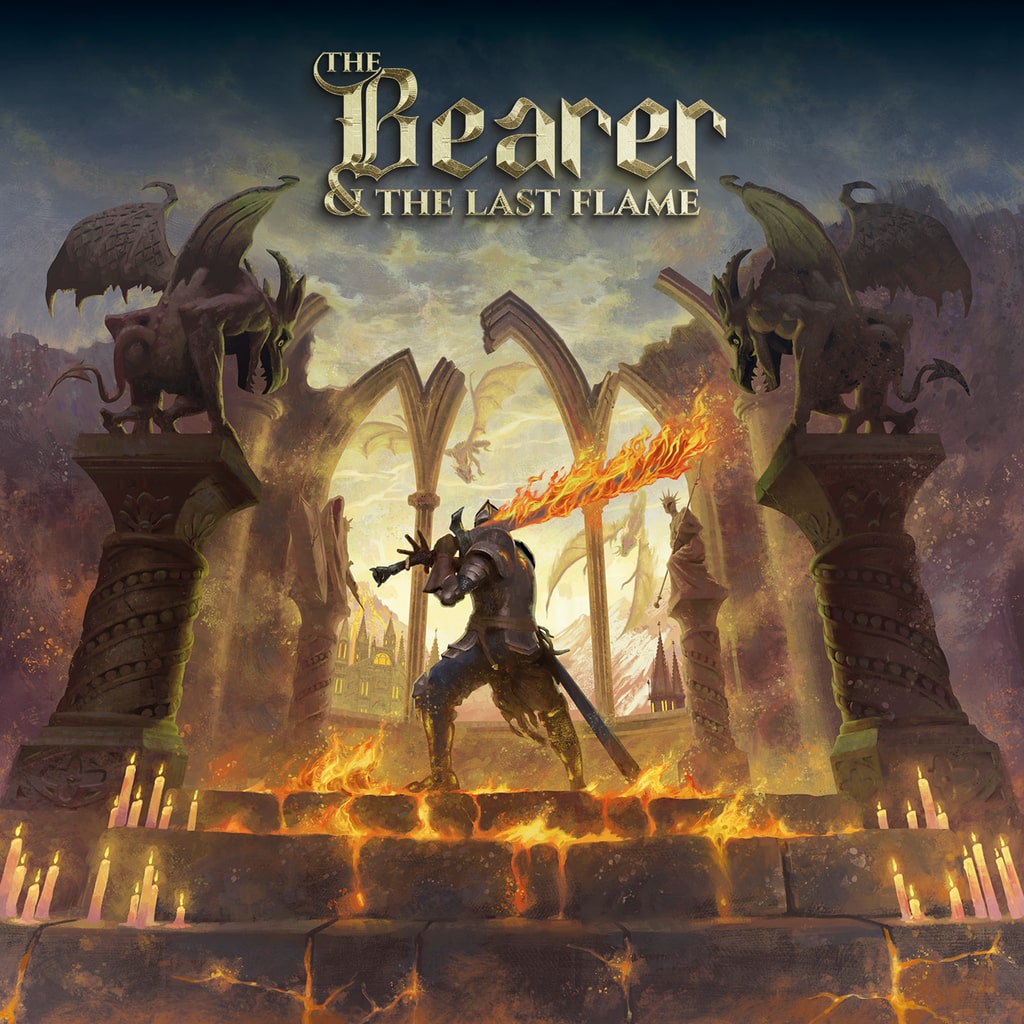
The Bearer & The Last Flame is among the newest titles to follow in those footsteps. Developed almost entirely by solo creator Dark Reaper Studio, the game offers a dark fantasy adventure set in the ruined world of Hyperborea. Released on PlayStation 5 and PC on 6 March 2026, it places players in the role of a lone hero tasked with carrying the last surviving flame across a land consumed by darkness.
Instead of offering a sprawling open world filled with side quests and distractions, the game centres on a singular, nearly mythic goal: transport the Last Flame across five corrupted regions and fend off the creatures that have overtaken the realm.
It’s a focused premise that complements the game’s bleak atmosphere perfectly. But does this indie Soulslike manage to stand alongside the genre’s giants, or does its ambition stretch beyond what a solo-developed project can realistically achieve?
A Journey Through a Dead World
From the moment the adventure begins, The Bearer & The Last Flame sets a tone of isolation and decay.
Hyperborea is a dying world. Ruined castles crumble into the landscape, caves hide grotesque monsters, and abandoned settlements tell silent stories of civilizations long lost. The game rarely explains its lore directly; instead, players piece together the narrative through environmental details and cryptic encounters with the few surviving characters they meet along the journey.
This approach will feel familiar to fans of the Soulslike genre. Rather than delivering lengthy exposition, the game allows its world to speak through atmosphere.
Exploring Hyperborea feels like wandering through the aftermath of a forgotten war between light and darkness. Every location reinforces the sense that the player is travelling through a place that has already fallen.
Despite the grim setting, the journey remains compelling thanks to the clear purpose driving the narrative. Carrying the Last Flame provides a constant reminder of the hero’s role — not just as a survivor, but as the final chance for the realm to reclaim the light.
Combat: Precision Above All
As expected from a Soulslike-inspired game, combat is the core element of the experience.
Every encounter in The Bearer & The Last Flame requires patience and accuracy. Charging into battle recklessly will almost always lead to defeat. Enemies are aggressive, attacks are severe, and mistakes can quickly cost you your life.
Players must carefully observe enemy patterns, manage stamina, and time their strikes with precision.
Combat supports three main playstyles:
- Melee combat, focusing on swords, axes, and heavy weapons
- Ranged combat, using bows and other distance-based tools
- Magic, harnessing supernatural abilities to damage or control enemies
Each approach has its own advantages and risks. Melee weapons deliver strong damage but require close contact, whereas ranged attacks enable safer engagements at the expense of slower damage output. Magic provides versatility but often drains valuable resources.
This variety allows players to explore different builds throughout their journey.
The game’s combat system never feels overly complicated, but the challenge lies in execution. Timing dodges, blocking correctly, and striking at the right moment become crucial skills as enemies become more dangerous.
When battles succeed, the system feels highly rewarding.
Character Choice & Build Variety
One surprising feature for a small indie title is the level of customisation available.
Players start by selecting from a range of heroes inspired by different backgrounds and worlds. While these characters share the same overarching mission, their initial attributes and equipment encourage slightly different playstyles.
Beyond that initial choice, the game offers a vast arsenal of weapons — over 200 in total.
This extensive range allows players to experiment with a variety of builds, from heavy melee fighters to agile archers or magic-focused characters.
Weapon diversity becomes especially important in later areas, where certain enemy types may be more susceptible to specific damage types.
For an indie project, this level of equipment variety is truly impressive.
Exploration & World Design
The journey across Hyperborea takes players through five distinct regions, each filled with dangerous enemies and hidden secrets.
These areas include dungeons, caves, ruined castles, and other dark fantasy settings that emphasise the game’s bleak tone.
The world isn’t fully open, but it still encourages exploration. Many areas conceal alternative routes, optional encounters, and valuable equipment for players willing to stray from the main path.
While the environments rarely match the scale of larger Soulslike games, they still provide enough variety to keep exploration engaging throughout the campaign.
The level design also leverages vertical spaces and narrow pathways, often requiring players to approach encounters carefully.
Atmosphere & Presentation
One of the game’s greatest strengths is its atmosphere.
The visual style heavily reflects classic dark fantasy imagery: fog-covered landscapes, torch-lit ruins, and shadow-filled corridors where enemies could emerge at any moment.
Lighting plays a crucial role. The presence of the Last Flame isn’t just a narrative device — it visually stands out against the darkness that pervades the world.
Sound design further amplifies the mood. Ambient noises echo through deserted ruins, distant creatures growl in unseen corners, and the impacts of combat feel intense during fierce battles.
The overall presentation successfully creates a world that feels oppressive, mysterious, and dangerous.
Difficulty & Learning Curve
True to its genre roots, The Bearer & The Last Flame is not an easy game.
Enemies hit hard, checkpoints can feel far apart, and it takes time to learn enemy patterns. Players expecting a casual action game may initially find the difficulty daunting.
However, the challenge rarely feels unfair.
Most deaths happen because the player rushed into an encounter or failed to adapt to enemy behaviour. Once players learn to approach combat more cautiously, the difficulty begins to feel manageable.
This steady improvement reflects the rewarding progression seen in other Soulslike titles.
Pros & Cons
Pros
- Strong dark fantasy atmosphere
- Tactical combat with multiple playstyles
- Impressive weapon variety for an indie game
- Engaging world exploration across five regions
- Environmental storytelling enhances immersion
Cons
- Difficulty may deter newcomers
- Some animations feel slightly stiff
- Smaller scale compared to larger Soulslike games
Final Verdict
The Bearer & The Last Flame is an ambitious project that succeeds in offering a surprisingly engaging Soulslike experience despite its indie roots.
Dark Reaper Studio evidently grasps what makes the genre appealing: tense combat, atmospheric world-building, and storytelling that encourages players to uncover the lore themselves. Hyperborea may be a dying world, but exploring its ruins remains captivating thanks to the game’s carefully designed environments and sense of mystery.
Combat is deliberate and challenging, rewarding patience and precision over reckless aggression. The wide range of weapons and playstyles adds welcomed variety, allowing players to shape their character according to their preferred approach.
Of course, the game isn’t without its flaws. Some aspects of the presentation feel less polished than larger titles in the genre, and the overall scope is naturally limited compared to major Soulslike releases.
Yet considering that The Bearer & The Last Flame is largely the work of a solo developer, its achievements are impressive.
For fans of dark fantasy action RPGs who enjoy challenging combat and atmospheric worlds, this indie adventure is well worth experiencing.
It may not dethrone the genre’s giants, but it proves that even a single developer can carry the flame of Soulslike design forward.