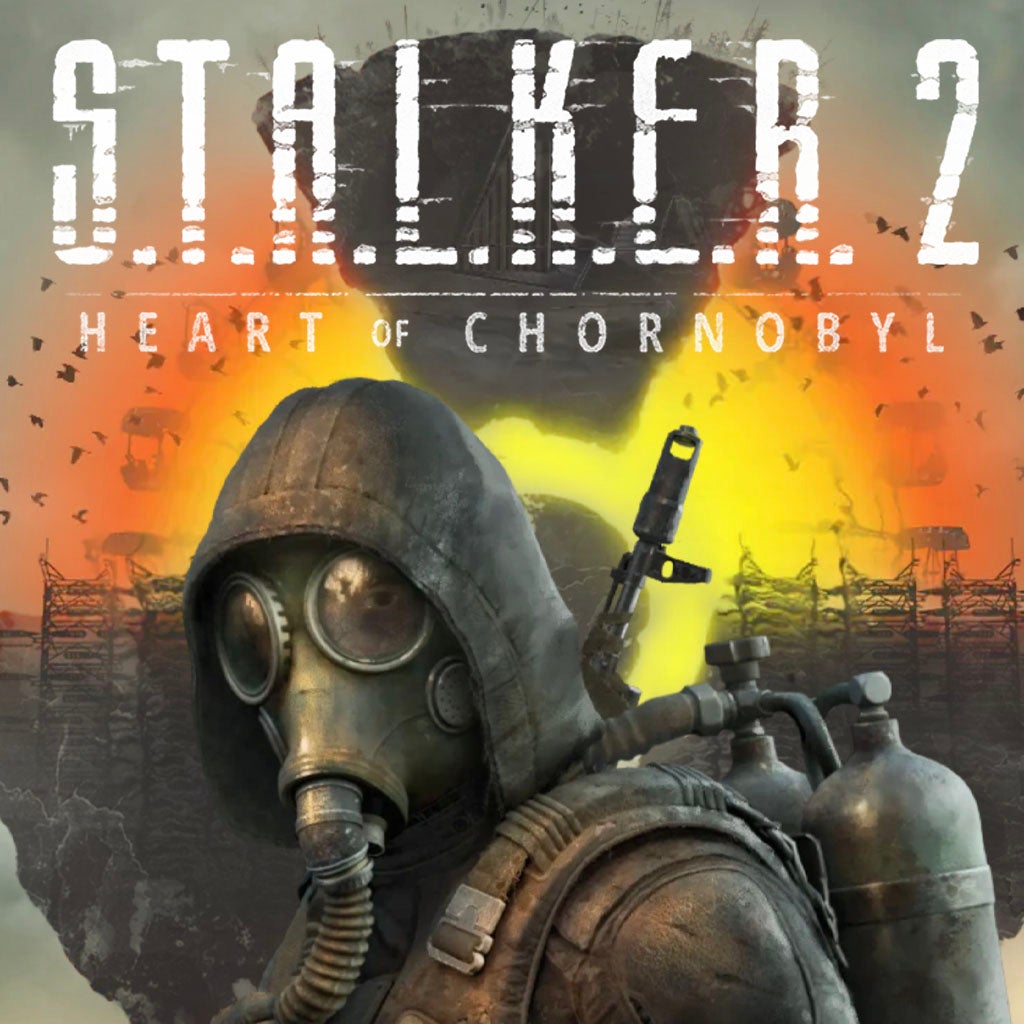
After years of anticipation, STALKER 2: Heart of Chornobyl, developed by GSC Game World and released in 2025 for PC and Xbox Series X/S, finally immerses players in the radioactive, post-apocalyptic wasteland of the Chernobyl Exclusion Zone. The game promises a seamless blend of survival horror, first-person shooter mechanics, and open-world exploration, and in many ways, it delivers a gripping, atmospheric experience that both honors its storied franchise and pushes it into the next generation of gaming.
Story & Setting
Set a few years after the events of the original STALKER games, Heart of Chornobyl casts players as a lone stalker, an adventurer navigating the dangerous, mutated wastelands surrounding the Chernobyl nuclear plant. The Zone is a living, breathing antagonist: unpredictable, beautiful, and deadly. From irradiated forests to abandoned industrial complexes, every location conveys the eerie desolation of a world teetering between life and decay.
The narrative itself balances open-ended exploration with structured missions. Players encounter rival factions, survivors, and enigmatic scientists, all with conflicting motives that force choices with tangible consequences. Side quests are abundant, often morally ambiguous, creating a world that feels alive and unpredictable. While the story occasionally leans on familiar post-apocalyptic tropes, the combination of environmental storytelling, artifact hunting, and interpersonal dynamics ensures that players remain invested.
Gameplay & Mechanics
STALKER 2 is fundamentally a survival-focused first-person shooter with RPG elements. Combat is tense and deliberate, favoring careful resource management over run-and-gun tactics. Ammunition is scarce, weapons are noisy and imperfect, and enemies — both human and mutated — can be lethal. The game rewards observation, stealth, and preparation, while punishing reckless approaches.
The Zone itself is full of hazards: radiation pockets, anomalies, and environmental traps challenge even seasoned players. A refined inventory and crafting system allow players to combine items, upgrade weapons, and create makeshift tools to survive. This depth encourages exploration, as scavenging for components is often critical to survival.
Enemy variety is strong. From feral mutants to rogue human factions, each encounter demands strategy. AI behavior is more advanced than in previous installments, with enemies reacting intelligently to sound, light, and player positioning. Boss encounters, such as giant mutated creatures, are memorable for their scale, unpredictability, and tension, offering a genuine sense of threat.
Stealth mechanics have been improved, allowing for silent takedowns, distraction tactics, and creative navigation through hostile territory. Players can tailor their approach, choosing between aggressive firepower or cautious evasion depending on their playstyle.
Visuals & Audio
STALKER 2 is visually striking, leveraging next-gen hardware to create a Zone that is both beautiful and terrifying. Sunlight piercing through abandoned structures, mist drifting over contaminated wetlands, and crumbling Soviet-era architecture combine to create a hauntingly immersive world. Dynamic weather and day-night cycles influence gameplay and mood, enhancing tension and realism.
The audio design is equally impressive. Ambient sounds — distant animal calls, wind through broken windows, and the hum of anomalies — heighten immersion. Weapon fire feels weighty, and footsteps echo realistically across different surfaces. The musical score is subtle but effective, emphasizing suspense and dread without overshadowing environmental storytelling.
Strengths
- Immersive world-building: The Zone is visually and atmospherically detailed, creating a living, breathing environment.
- Tense, rewarding combat: Survival-focused mechanics emphasize strategy, preparation, and careful resource management.
- Dynamic AI and enemy variety: Encounters are challenging and unpredictable.
- Environmental storytelling: Anomalies, artifacts, and abandoned structures tell compelling narratives without dialogue.
- Exploration and progression: Crafting, scavenging, and faction interactions create depth and replayability.
Weaknesses
- Steep learning curve: Newcomers may struggle with resource scarcity and lethal combat.
- Occasional narrative pacing issues: Some story missions feel slower compared to the frenetic tension of exploration.
- Hardware demands: Fully experiencing the visual fidelity may require high-end PC specs or next-gen consoles.
Replayability & Longevity
The main campaign spans roughly 25–30 hours for completion, but optional side missions, hidden anomalies, and faction interactions can extend playtime significantly. Multiple approaches to combat and exploration, combined with branching choices in faction alliances, encourage multiple playthroughs. The unpredictable nature of the Zone ensures that no two journeys feel exactly alike, enhancing longevity for both casual and hardcore players.
Conclusion
STALKER 2: Heart of Chornobyl delivers a haunting, immersive survival experience that captures the franchise’s signature tension and atmosphere while embracing modern graphical and gameplay advancements. It is not a game for those seeking constant action or linear storytelling; it demands patience, attention to detail, and a willingness to embrace risk.
For fans of survival shooters, post-apocalyptic worlds, and atmospheric RPGs, Heart of Chornobyl offers a richly detailed, tense, and rewarding journey. Its lethal enemies, treacherous environments, and morally complex world make it a standout in the genre. Step into the Zone at your own risk — it is beautiful, deadly, and utterly unforgettable.