The R-Type series has always held a unique place in gaming history. While most shoot ’em ups focus on lightning-fast reflexes and relentless bullet dodging, R-Type built its reputation on careful positioning, overwhelming alien designs, and a sense of dread few arcade games could match. It was never just about shooting everything on screen. It was about surviving against impossible odds.
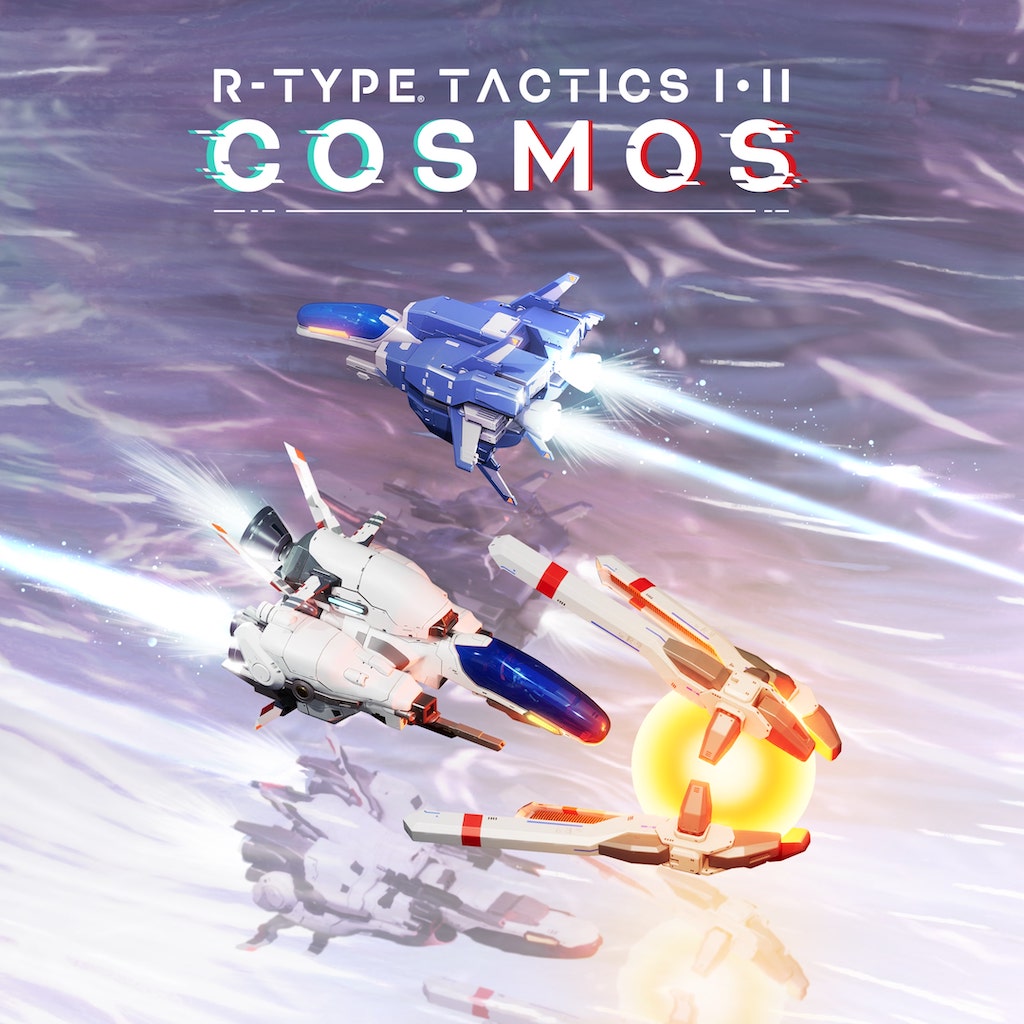
That is precisely why R-Type Tactics felt so unusual when it first appeared on PSP. Turning one of gaming’s most iconic side-scrolling shooters into a turn-based strategy game sounded like a strange experiment on paper. Somehow, though, developer Granzella managed to preserve the series’ DNA while creating something entirely different. Years later, those games have returned in the form of R-TYPE TACTICS I • II COSMOS, bringing both titles together for modern audiences.
This collection is more than a simple re-release. It is a long-awaited resurrection of two cult classics, including the sequel that many Western players never officially had the chance to experience. While some ageing design choices remain, this package preserves a fascinating corner of gaming history and delivers one of the most distinctive strategy experiences available today.
A War Against the Unknown
At its core, R-TYPE TACTICS I • II COSMOS tells a story of survival against an enemy that feels truly alien. Humanity’s long-running conflict with the Bydo Empire remains the centrepiece of the narrative, but the games approach the war from a far more personal and strategic perspective than the arcade titles ever could.
Rather than piloting a lone fighter through hostile space, you command entire fleets across sprawling battlefields. Every deployment feels significant because each ship represents resources, personnel, and the fragile hope of humanity pushing deeper into dangerous territory. The stakes feel higher, and the consequences of failure carry real weight.
The first campaign begins as a fairly straightforward military operation, but it quickly becomes much more ambitious. One of the game’s most memorable twists completely reframes the conflict, forcing players to reconsider everything they thought they knew about the war. It remains one of the franchise’s strongest narrative moments.
The second game expands the storytelling considerably. Branching paths, faction conflicts, and multiple perspectives create a campaign that feels more dynamic and unpredictable. While the writing occasionally leans heavily on military jargon and lengthy briefings, the overall story succeeds because it treats its universe seriously. This is not a lighthearted space adventure. It is a grim science fiction war story filled with sacrifice, desperation, and difficult decisions.
Tactical Battles With an R-Type Soul
The biggest achievement of R-TYPE TACTICS I • II COSMOS is how successfully it translates classic R-Type mechanics into turn-based strategy. Most tactical games rely on familiar systems such as positioning, range management, and resource allocation. Those elements are certainly present here, but Granzella cleverly integrates mechanics that longtime fans will immediately recognise. The famous Force modules return, functioning much as they did in the shooters. Ships can deploy them independently or attach them directly for extra protection and offensive capabilities.
This simple mechanic creates surprising tactical depth. Do you sacrifice a turn to strengthen your defences, or press forward and risk exposure? These decisions constantly shape the flow of battle.
Wave Cannons also make the transition remarkably well. Charging these devastating weapons requires patience and planning, but a successful shot can completely alter the course of a battle. Conversely, allowing an enemy vessel to complete its charge can spell disaster. The constant tension between offence and defence gives combat a distinctive rhythm that sets it apart from other strategy games.
Battles frequently feel like giant puzzles waiting to be solved. Fuel limitations, environmental hazards, asteroid fields, and hidden enemy fleets force players to think several turns ahead. Victory rarely comes from brute force alone. Success comes from understanding the battlefield and adapting to changing circumstances.
Fleet Management and Long-Term Progression
Outside combat, the collection offers an extensive progression system that rewards persistence. Researching new ships, upgrading technology, and expanding your fleet gradually unlock fresh tactical possibilities. There is genuine satisfaction in unlocking advanced vessels after struggling through earlier missions with limited resources.
One of the more forgiving aspects of the design is how it handles failure. Losing a difficult mission is frustrating, but it rarely feels entirely wasted. Resources gathered during unsuccessful attempts are retained, allowing players to improve their fleet before returning to the battlefield. This creates a rewarding cycle of experimentation and growth.
The sheer variety of units is impressive as well. Fighters, cruisers, carriers, reconnaissance vessels, and specialised support craft all serve distinct roles. Learning how these pieces fit together becomes part of the game’s appeal. Building a fleet that reflects your preferred tactical approach feels immensely rewarding once everything clicks into place.
Modern Presentation, Classic Foundations
Visually, COSMOS offers a substantial upgrade on the original PSP releases. The move to fully realised 3D environments gives battles greater scale and spectacle. Explosions feel more dramatic, ships appear more detailed, and cinematic camera angles heighten the impact of major attacks. The dark, biomechanical aesthetic that defines R-Type remains intact throughout, ensuring the collection retains its distinctive identity.
The soundtrack also deserves praise. Atmospheric compositions reinforce the sense of isolation and danger that permeates the campaigns. Whether navigating silent stretches of deep space or engaging in large-scale fleet engagements, the music consistently supports the mood without becoming intrusive.
Despite these improvements, the games still reveal their PSP origins at times. Menus can feel cumbersome, and some interface elements lack the elegance players might expect from modern strategy titles. It is functional rather than polished, and newcomers may find certain systems difficult to navigate initially.
The Learning Curve Problem
For all its strengths, R-TYPE TACTICS I • II COSMOS makes remarkably little effort to welcome new players. The absence of a comprehensive tutorial is perhaps the collection’s biggest flaw. Strategy veterans will eventually decipher its systems through trial and error, but newcomers may feel overwhelmed by the sheer volume of mechanics introduced in the opening hours.
The games often rely on lengthy text explanations rather than practical demonstrations. Important concepts can easily get lost in walls of information. Given the complexity of the mechanics, a more modern onboarding process would have made a tremendous difference.
Pacing can also suffer in later stages. Certain missions feel deliberately designed to force additional grinding, particularly when specialised ship types become almost mandatory for success. While the progression system softens the blow, these moments occasionally disrupt the otherwise excellent flow of the campaigns.
Final Verdict
R-TYPE TACTICS I • II COSMOS is not the easiest strategy game to love. It demands patience, attention, and a willingness to learn systems that often refuse to explain themselves. Yet for those willing to invest the time, it offers something genuinely special.
Few tactical games possess such a distinct identity. The fusion of classic R-Type mechanics with deep strategic gameplay remains as fascinating today as it was on the PSP nearly two decades ago. The campaigns are lengthy, the battles rewarding, and the atmosphere captures the franchise’s bleak science-fiction spirit beautifully.
This collection is also an important preservation effort. Bringing both games together, particularly the previously Japan-exclusive sequel, allows a wider audience to finally experience one of the most unusual spin-offs ever created from a legendary arcade series.
It may show its age in places, but beneath the rough edges lies a thoughtful, challenging, and deeply satisfying tactical experience that still stands apart from almost everything else in the genre.