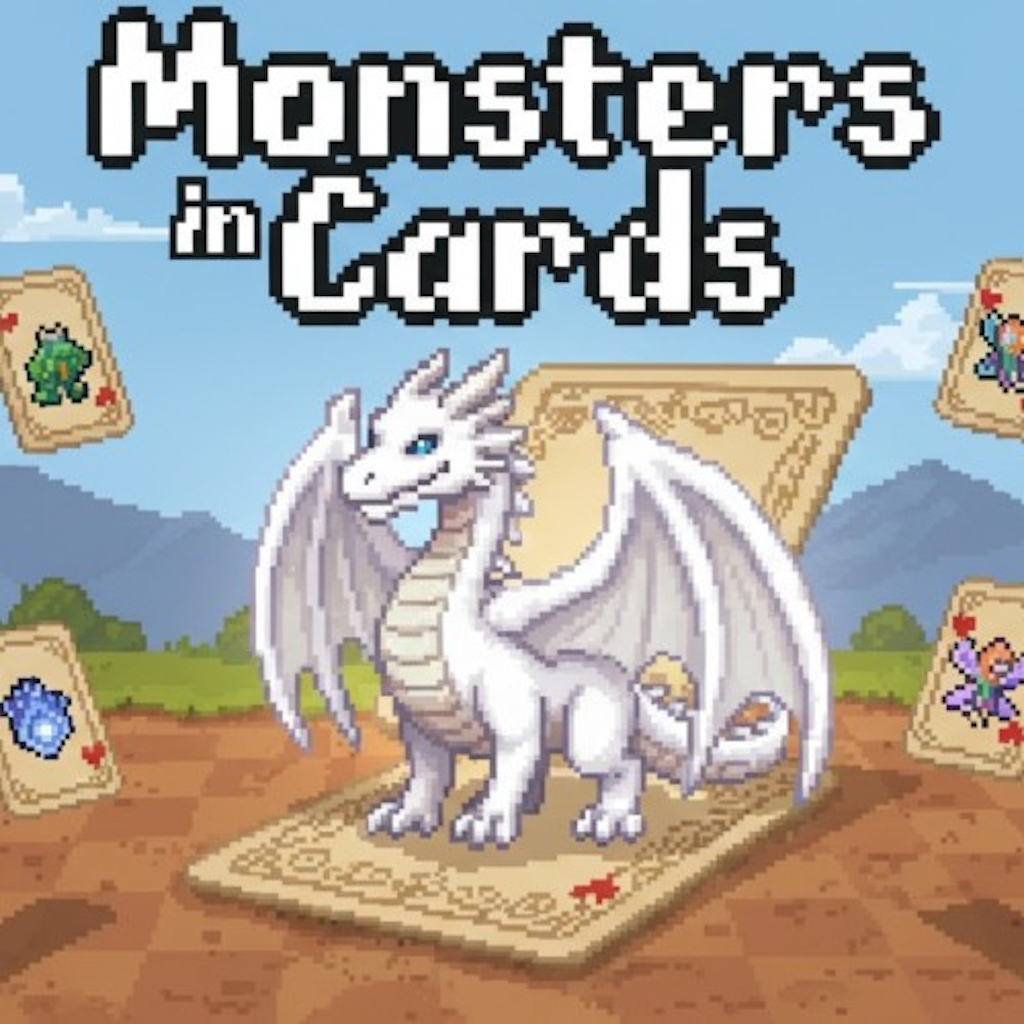
Monsters in Cards is a compelling entry in the collectible card game (CCG) genre that fuses strategic deckbuilding with monster-centric tactics and a richly themed universe. Rather than emulating generic card mechanics, the game builds around monster archetypes, symbiotic interactions, and emergent combat scenarios, giving each duel a sense of personality and tactical drama.
What makes Monsters in Cards especially notable is how successfully it transforms the intensity of monster battling into the cerebral space of card strategy. Whether you’re a seasoned CCG player or a newcomer drawn by cool creatures, the game carries both accessibility and growing tactical depth, even as it gradually reveals hidden complexity in its card synergies and battlefield decisions.
Premise and Core Loop: Monsters Through the Cards
At its heart, Monsters in Cards places players in the role of a Monster Tactician — a commander who collects, trains, and deploys monstrous forces to outwit their opponents in card battles. From humble beginnings with starter decks to intense competitive matchups against rival tacticians, the journey blends narrative moments with escalating challenges.
The core gameplay loop follows a satisfying rhythm:
- Collect Cards: Acquire monster cards and tactical abilities from rewards, chests, and in-game achievements.
- Build Decks: Construct your deck with attention to synergy, elemental affinities, and tactical roles.
- Battle Opponents: Engage in duels where positioning, card order, and adaptation to enemy strategies matter.
- Refine Strategy: Adjust your deck and tactics based on victories, losses, and evolving playstyles.
This loop — simple on the surface but layered underneath — creates a sense of progression that rewards both experimentation and thoughtful optimisation.
Visual and Audio Presentation: A World of Creatures and Flair
Visually, Monsters in Cards strikes a distinctive balance between stylised art and functional clarity. Each monster card boasts its own unique design: some inspire awe with fiery draconic features, and others intrigue with eerie spectral aesthetics. Card art feels lovingly crafted, with detail and expression that give life to each creature and spell.
Animations during combat encounters are smooth and engaging. Cards leap into play, creatures materialise with dramatic poses, and abilities trigger visual effects — elemental bursts, shadow tendrils, and shimmering shields — that enhance the flow of the battle without overwhelming the interface or obscuring strategic information.
The user interface remains clean even in high-intensity moments. Key information such as health totals, card effects, and active buffs or debuffs are clearly displayed. Color coding and visual cues help differentiate card types and rarity levels, which is important when scanning a hand or planning tactical sequences.
Audio complements the visuals without dominating them. Background music adapts between serene deck-building menus and more intense battle phases, while each monster and spell has a distinct sound signature that reinforces its identity.
Deckbuilding and Strategy: Accessible Yet Deeply Tactical
The heart of any great card battler lies in its deckbuilding — and Monsters in Cards delivers both immediate accessibility and substantive strategic depth.
Built-In Synergy:
Cards are categorised by monster types and tactical roles — attackers, defenders, buffers, and disruptors. Creating a deck isn’t just about picking the highest-power cards; it’s about forming synergistic combinations. A defensive monster accompanied by healing spells and support buffs behaves very differently from a glass-cannon behemoth backed by direct damage spells. The game encourages experimentation by making synergies visible in the deck editor, often highlighting potential beneficial interactions.
Elemental Interplay:
Elements — Fire, Water, Earth, Air, and Ether — provide an additional strategic layer. Certain elements are strong or weak against others, encouraging players to adapt to the meta or exploit opponent vulnerabilities. While elemental differences aren’t always decisive in isolation, they become powerful in combined strategic context, especially in longer matches where timing and deck composition matter.
Tactical Decisions:
Beyond constructing a deck, Monsters in Cards excels in how it blends strategic depth into the gameplay. Card order, timing of deployments, managing limited tactical points, and anticipating opponent actions all matter. It’s not uncommon to find yourself retreating from an immediate powerful play in order to set up a more devastating combination two turns later — tactical foresight is rewarded.
Crucially, the learning curve is forgiving at first but steadily deepens. Early matches help introduce core mechanics without overwhelming tutorials, while later encounters challenge players to refine their strategies with more advanced combinations.
Campaign and Mode Variety: More Than Just Matches
While competitive duels are central to the experience, Monsters in Cards wisely layers in mode variety to keep engagement high.
Story-Driven Campaign:
The single-player campaign serves as both an introduction to mechanics and a progression ladder where tactical challenges increase in difficulty. Story bits are delivered between battles, offering light narrative context without bogging down the central gameplay. The pacing here works well: not too slow, not too frenetic, and always giving players new cards or abilities as they progress.
Daily Challenges & Side Modes:
Limited time events, daily challenge modes, and puzzle-like scenarios add optional paths for players seeking variation. These modes typically impose constraints — limited deck size, altered rules, or elemental restrictions — which test creativity and adaptability in ways standard matches don’t.
Multiplayer & Ranking:
Online competitive play enables duels against other players, with ranked ladders rewarding those who invest time in refining their decks. The matchmaking system generally pairs players fairly, though occasional mismatches occur when players bring highly optimised decks against newer players — an unavoidable but manageable aspect of asymmetrical competitive progression.
Progression, Balance, and Meta Considerations
Progression in Monsters in Cards feels meaningful. As you unlock more cards and refine decks, the sense of capability grows tangibly. Achievement rewards, in-game currency for card packs, and unlock milestones all contribute to a steady feeling of forward momentum.
Balance is solid overall, but like many CCGs there are occasional meta-dominant strategies that emerge in higher-level play. The developers’ post-launch support has generally addressed balance concerns through regular tweaks, and the meta continues to evolve — rewarding engagement with community discourse and experimentation.
Strengths and Limitations
Strengths:
- Rich card synergy mechanics and strategic depth
- Accessible deckbuilding that scales well with player skill
- Stunning card art and engaging battle animations
- Multiple play modes with varied challenges
- Competitive multiplayer with meaningful progression
Limitations:
- Occasional imbalance in competitive meta
- Narrative campaign is enjoyable but not deeply memorable
- Some players may find the grind for top-tier card packs slow
- Newcomers to CCGs may feel overwhelmed initially
Final Verdict
Monsters in Cards is a strong contender in the collectible card genre, offering a deep yet approachable strategic experience underpinned by clever monster themes and satisfying tactical gameplay. Its combination of visual flair, diverse modes, and thoughtful deckbuilding mechanics make it a standout title for players who enjoy competitive card strategy without sacrificing personality and charm.
While not without a few balance and pacing issues, the overall package is compelling, replayable, and capable of capturing hours of dedicated play. Whether you’re duelling friends online, conquering campaign challenges, or chasing leaderboard status, Monsters in Cards delivers a blend of strategy and spectacle that earns its place in any CCG fan’s library.