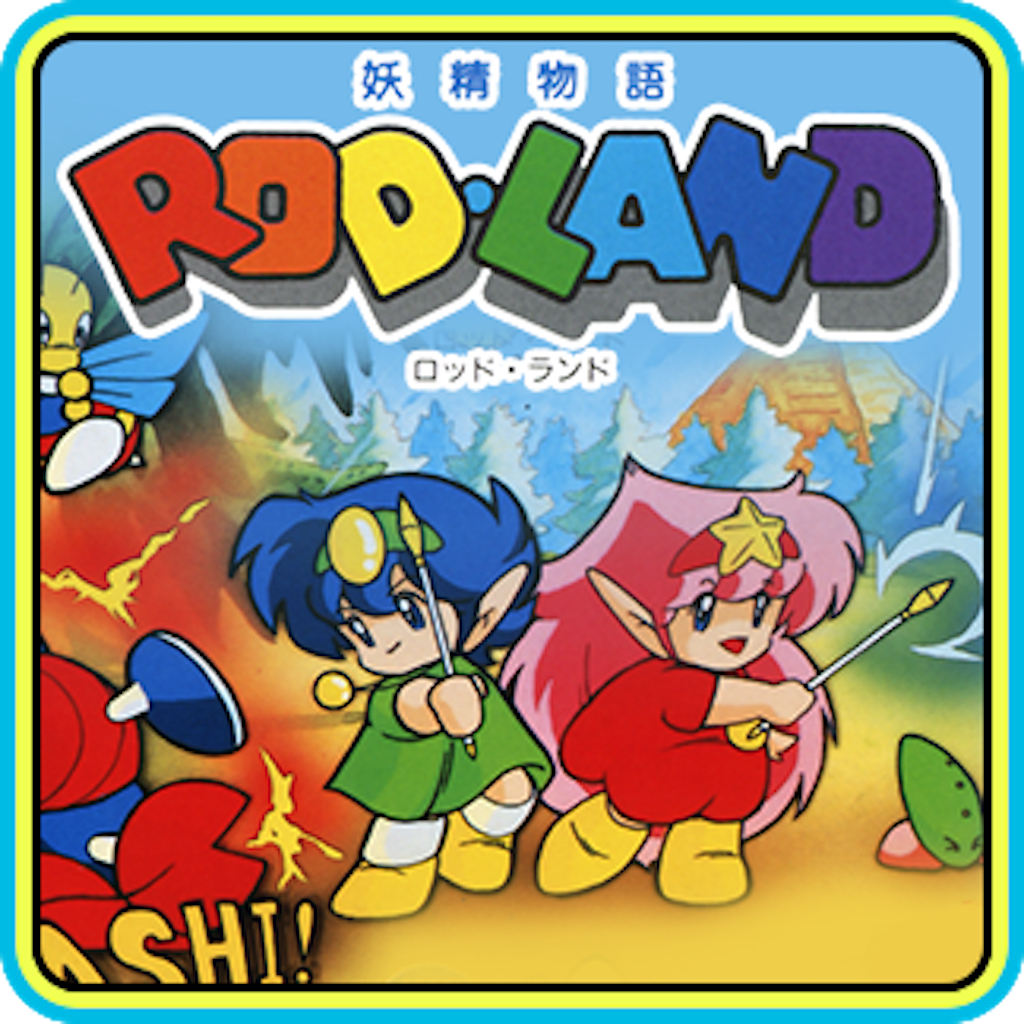
There is something wonderfully comforting about revisiting games from an era when great ideas often came wrapped in deceptively simple mechanics. Before sprawling open worlds and cinematic storytelling became the norm, many of the industry’s most memorable experiences were built around a single clever concept, polished until it became endlessly satisfying. ROD LAND belongs firmly in that tradition. It may not enjoy the same level of recognition as Bubble Bobble or Snow Bros., but its colourful world and inventive gameplay have earned it a devoted following over the decades.
JALECOlle Famicom Ver. ROD LAND does far more than simply preserve that legacy. This lovingly assembled re-release introduces a wealth of modern conveniences while respecting everything that made the original Famicom version special. Whether you are discovering Tam and Rit for the very first time or returning after decades away, this package demonstrates exactly how retro collections should be handled.
Its charming presentation may initially suggest a lightweight platformer aimed purely at nostalgia, but beneath those cheerful visuals lies a surprisingly strategic arcade experience that still feels remarkably fresh.
A Different Kind of Platformer
Unlike many platform games from its era, ROD LAND is not built around jumping across dangerous gaps or stomping enemies from above. Instead, Tam and Rit rely on magical rods that can grab enemies, repeatedly slam them into the ground, and launch them across the stage. It is an unusual combat system that immediately gives the game its own personality.
Movement is equally distinctive. Rather than relying entirely on jumping, players create temporary ladders with magical shoes, allowing access to higher platforms and hidden items. This mechanic completely changes how each screen is approached. Instead of reacting purely on instinct, players constantly assess where ladders should be placed, which enemies pose the greatest threat, and how to route themselves efficiently through every stage.
The result is a gameplay loop that rewards planning just as much as quick reflexes. Every screen feels like its own self-contained puzzle, where positioning matters almost as much as timing.
Easy to Learn, Difficult to Master
One of ROD LAND’s greatest strengths is how naturally it introduces its mechanics. Within minutes, most players will grasp the basics of grabbing enemies, building ladders and collecting flowers scattered throughout each stage. It never buries players under complicated tutorials or overwhelming systems.
Mastery, however, is another matter entirely. Enemy patterns become increasingly unpredictable as the tower climbs. Flying monsters attack from awkward angles, faster enemies force quicker decisions, and poor ladder placement can leave players trapped with few escape options. Although the controls remain straightforward, later stages demand careful execution and a willingness to think several moves ahead.
Collecting every flower adds another layer of challenge. Clearing them transforms remaining enemies into special EXTRA GAME variants that reward skilled players with valuable bonus items and extra lives. It is an optional objective, but one arcade enthusiasts will quickly find impossible to ignore. This constant temptation to optimise every stage captures the spirit of classic arcade design beautifully.
Better Together
Although ROD LAND remains perfectly enjoyable as a solo experience, cooperative play elevates the adventure considerably. Working alongside another player naturally alters the rhythm of each stage. Coordinating ladder placement, dividing enemy responsibilities and rescuing one another from dangerous situations create moments of genuine teamwork. At the same time, the optional Rival mode introduces playful competition by allowing players to interfere with one another’s progress, transforming cooperation into cheerful chaos.
The flexibility of these multiplayer settings is impressive for a game originally released in the early nineties. Even today, local cooperative play feels refreshingly uncomplicated, encouraging friends or family members to simply pick up another controller and join the adventure. It is another reminder that excellent multiplayer does not always require online matchmaking or enormous player counts.
Modern Features Done Right
Retro collections often live or die by how respectfully they modernise older games. Thankfully, JALECOlle Famicom Ver. ROD LAND strikes an excellent balance between preservation and accessibility.
The rewind function alone dramatically reduces the frustration older arcade titles can sometimes cause. Rather than losing significant progress after a single careless mistake, players can immediately retry difficult moments while continuing to learn enemy patterns. It never feels like cheating unless you choose to rely on it, making it an excellent tool for newcomers.
Quick Save and Load functions provide even greater flexibility. Being able to suspend progress at any point makes the game far easier to enjoy in shorter sessions without compromising the original experience for players seeking an authentic challenge.
The optional jump settings are an especially clever addition. While the default configuration preserves the original design philosophy, alternative movement options allow curious players to experiment with different styles that subtly reshape how stages unfold. Purists can safely ignore these additions, while newcomers receive welcome assistance that makes the game far more approachable.
A Love Letter to Preservation
Perhaps the most impressive aspect of this release is the clear care taken to preserve gaming history. The included gallery of original packaging, manuals and promotional materials transforms this collection into more than a downloadable game. It becomes an interactive museum dedicated to one of Jaleco’s lesser-known classics. Long-time fans will appreciate revisiting artwork that has become increasingly hard to find, while younger players gain valuable context for the game’s original release.
English localisation also deserves recognition. Many retro releases remain inaccessible due to language barriers, but this edition removes that obstacle without compromising the original identity. Subtitle support further improves accessibility, ensuring that players unfamiliar with Japanese releases can comfortably experience everything the game has to offer.
Achievements, timers and additional display options round out a remarkably complete package that feels assembled by people who genuinely care about preserving classic games.
Colourful Simplicity That Still Charms
Visually, ROD LAND remains every bit as delightful as it was decades ago. The vibrant pixel art overflows with personality, from the cheerful fairy protagonists to the wonderfully bizarre enemy designs populating Maboots Tower. Every stage is packed with colourful animation that still clearly communicates gameplay information despite the hardware limitations of its original release.
The soundtrack captures that unmistakable late-eighties arcade spirit. Bright melodies accompany each level with infectious enthusiasm, while sound effects reinforce every successful enemy slam and item collection. It is not especially complex, but it remains consistently memorable and perfectly suited to the game’s playful atmosphere.
Modern visual filters and screen customisation options allow players to tailor the presentation to personal preference. Whether recreating the appearance of an old television or displaying crisp pixels on contemporary screens, the options remain flexible without becoming overwhelming.
Still Worth Climbing
Time has been remarkably kind to ROD LAND. Its core mechanics remain inventive, responsive and endlessly satisfying because they never relied on technical spectacle. Clever level design, rewarding progression and distinctive gameplay continue to shine decades after release. While some older arcade titles feel preserved purely for historical interest, this one still feels genuinely enjoyable as a game.
There are moments when its arcade heritage inevitably shows. Difficulty spikes can occasionally feel abrupt, and players accustomed to more forgiving modern platformers may initially find later stages demanding. Yet these challenges rarely feel unfair, particularly with the excellent modern quality-of-life features available.
Most importantly, the game never loses its infectious charm. Every rescued flower, defeated enemy and carefully placed ladder contributes to an adventure that remains surprisingly hard to put down.
Final Verdict
JALECOlle Famicom Ver. ROD LAND is far more than a straightforward retro port. It is a thoughtful restoration of an overlooked classic, one that deserves a far wider audience than it originally reached. By combining respectful preservation with genuinely useful modern enhancements, City Connection has delivered one of the strongest examples of how classic games should be presented on contemporary platforms.
The unique ladder-building mechanic, satisfying combat and delightful presentation remain just as entertaining today as they were in the Famicom era. Combined with rewind support, archival extras and extensive customisation options, this package offers exceptional value for both retro enthusiasts and curious newcomers.
Not every forgotten classic deserves a second chance, but ROD LAND certainly does. This release reminds us that great game design never truly goes out of style.