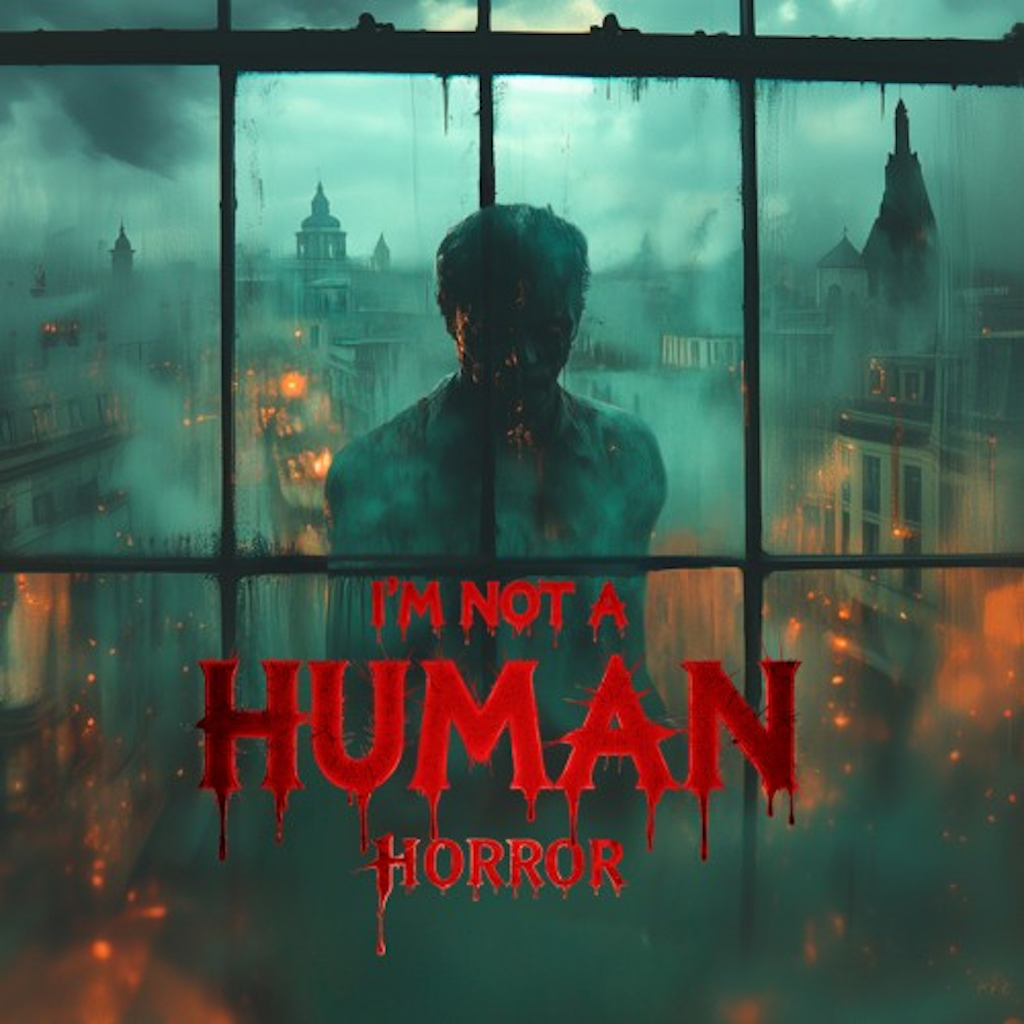
There is a very specific kind of horror that thrives not on spectacle, but on suffocation—the feeling of being trapped somewhere small, dark, and hopeless while something patient waits for you to make a mistake. I’m Not a Human: Horror, developed by Trioskaz and published by Head A Games, aims squarely for that breed of fear. It places you in a locked basement with little more than a flashlight, a weapon, and the creeping certainty that you are being hunted.
On paper the premise is simple: find passwords, unlock doors, and escape before the masked stalker finds you first. In practice, the game is less about puzzles and more about endurance—how long you can keep your nerves steady while the walls seem to breathe around you.
Gameplay
The structure is immediately familiar to anyone who has played first-person survival horror. You wake up in total darkness with minimal explanation. Movement is slow, deliberate, and accompanied by the narrow beam of a flashlight that never feels bright enough. Exploration revolves around searching rooms for clues and hidden codes that open the next set of locked doors.
What elevates the formula is the constant presence of the enemy. The masked stalker isn’t scripted to appear only at dramatic moments; it roams the environment unpredictably. Sometimes you’ll hear footsteps upstairs, other times a door will creak open behind you with no warning. These unscripted encounters generate genuine panic, especially early on when you’re still learning the layout.
Combat exists, but it is intentionally clumsy. Your weapon feels more like a last resort than a power fantasy. Ammunition is scarce, swings are sluggish, and every confrontation carries risk. The game clearly wants you to hide, evade, and outthink rather than fight, and that design choice keeps tension high.
The puzzle design is straightforward—mostly locating passwords and key items—but the simplicity works in context. You’re not solving elaborate riddles; you’re scrambling through a nightmare trying to remember which door required which code while something breathes in the hallway.
Atmosphere & Horror Design
This is where I’m Not a Human: Horror earns its keep. The audiovisual presentation is oppressive in the best way. The basement setting is grimy and believable, full of damp concrete, flickering lights, and narrow corridors that seem to shrink the longer you stay inside them.
Sound design does the heavy lifting. Distant metallic bangs, muffled cries, and the irregular thump of unseen movement constantly toy with your imagination. Often nothing happens at all—and those stretches of silence are just as terrifying as the moments when the stalker finally appears.
The masked enemy itself is an effective piece of design. It doesn’t sprint at you like an action monster; it lingers, observes, and occasionally toys with your escape routes. Seeing it stand motionless at the end of a corridor while your flashlight trembles is easily the game’s signature image.
Graphics / Visuals
Visually the game is modest but purposeful. Textures are rough, lighting is stark, and character models lean toward the uncanny. While it won’t win technical awards, the aesthetic suits the theme. Grainy shadows and limited visibility hide imperfections and amplify fear.
Occasional animation stiffness can break immersion—particularly during combat—but the overall presentation remains cohesive. The developer clearly prioritized mood over realism, and that was the right call.
Performance & Technical
Performance is generally stable, with smooth frame rates even on mid-range hardware. Load times are short, which helps after inevitable deaths. A few rough edges remain: collision detection can be finicky, and the AI sometimes gets caught on geometry, unintentionally giving the player breathing room.
Controls are functional but slightly rigid. Movement could benefit from more weight and smoother interaction prompts, yet these issues never derail the experience entirely.
Content & Replayability
The campaign is relatively compact, designed to be completed in a handful of intense sessions rather than stretched across dozens of hours. Replay value comes from experimenting with different routes and learning the stalker’s behavior patterns.
There are no difficulty modes or major alternate endings, which limits longevity, but the focused runtime prevents the concept from wearing thin. This is a horror experience meant to be consumed like a grim short story rather than an epic.
Pros
- Thick, oppressive atmosphere
- Unpredictable enemy encounters
- Strong sound design
- Effective use of minimal resources
- Simple but tense exploration loop
Cons
- Basic puzzle variety
- Occasional AI quirks
- Combat feels intentionally awkward
- Limited replay incentives
Verdict
I’m Not a Human: Horror doesn’t attempt to revolutionize survival horror, but it understands the fundamentals remarkably well. By stripping the genre down to darkness, vulnerability, and a single relentless pursuer, Trioskaz delivers a compact nightmare that lingers after the screen goes black.
It stumbles in technical polish and puzzle depth, yet succeeds where it matters most: making you afraid to open the next door.