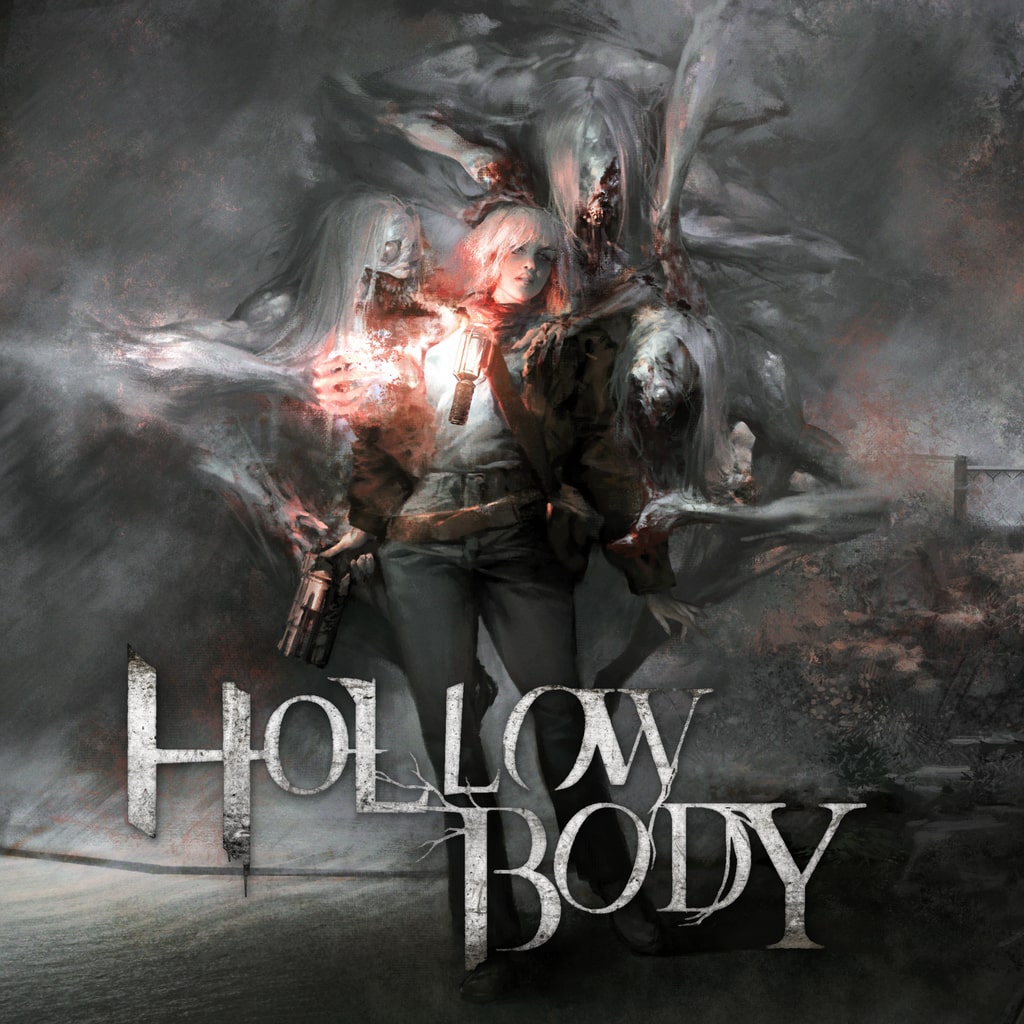
Nostalgia can be a dangerous thing. Too many modern horror games lean so heavily on their inspirations that they end up feeling like museum exhibits rather than experiences with a distinct voice. Hollowbody wears its influences proudly. From its fixed camera angles and limited inventory space to its oppressive atmosphere and puzzle-driven progression, every corner of the game recalls the survival horror classics that defined an era.
Yet what makes Hollowbody special is that it never feels content simply recreating the past. Developer Headware Games understands what made those old titles memorable beyond awkward controls and grainy visuals. It was the feeling of vulnerability, the constant uncertainty, and the way every dark corridor seemed to hide something terrible. Hollowbody captures that feeling remarkably well.
Set within a quarantined exclusion zone in a dystopian future Britain, the game follows Mica, a black-market shipper searching for her missing partner, Sasha. What begins as a rescue mission quickly spirals into something far stranger and more unsettling as Mica finds herself trapped in a decaying city abandoned to time and swallowed by secrets. The result is one of the most atmospheric indie horror games in recent memory.
A City Frozen in Decay
From the moment Mica crashes into the exclusion zone, Hollowbody establishes a powerful sense of place. Rain lashes the broken streets. Towering concrete structures loom through dense fog. Long-abandoned homes stand as hollow reminders of interrupted lives. An almost tangible sadness hangs over the environment, creating an atmosphere that feels distinctly British yet deeply unsettling.
The city itself becomes one of the game’s strongest characters. Every location tells a story without relying on lengthy exposition dumps or endless collectable notes. Crumbling apartment blocks, flooded streets, forgotten businesses, and decaying infrastructure create a believable world that feels lived-in despite its abandonment.
The setting is further elevated by its tech-noir aesthetic. While comparisons to Silent Hill are inevitable, Hollowbody introduces enough futuristic elements to establish its own identity. Advanced technology sits alongside urban decay, creating a fascinating contrast between past ambitions and present ruin. Environmental storytelling is consistently excellent, rewarding players who take the time to explore every forgotten corner of the city.
Old School Horror Done Right
Many modern horror games rely on jump scares and relentless pursuit sequences. Hollowbody takes a different approach. This is survival horror in the traditional sense. Resources are limited. Ammunition and healing items are scarce. Every encounter carries consequences, and every decision feels important.
The game’s pacing deserves particular praise. Rather than constantly throwing monsters at the player, Hollowbody allows tension to build naturally. Long stretches of exploration create anticipation, making the eventual encounters feel far more impactful. Sometimes the fear comes not from what you see, but from what you expect to see around the next corner.
The carefully placed save points contribute significantly to this tension. Progress feels meaningful because mistakes carry weight. Thankfully, the game never becomes unfair or excessively punishing. It strikes a delicate balance between maintaining pressure and respecting the player’s time. For fans who grew up with classic survival horror, Hollowbody feels like a warm embrace from a long-lost friend.
Puzzles That Respect Your Intelligence
One area where Hollowbody truly excels is its puzzle design. Modern games often shy away from challenging players, resulting in simplistic puzzles that barely interrupt forward momentum. Hollowbody takes a more confident approach. Environmental puzzles demand observation, logic, and careful thought without descending into outright obscurity.
The puzzles feel integrated into the world rather than arbitrary obstacles. Solving them often reveals more about the environment and its history, making progression feel rewarding beyond simply unlocking the next area.
There are moments when solutions may require a bit more backtracking than some players prefer, but the overall quality remains consistently high. Most importantly, the game trusts players to engage with its challenges rather than immediately offering solutions. That trust pays off.
Clunky Combat by Design
Combat is perhaps the most divisive aspect of Hollowbody. Firearms and melee weapons are deliberately weighty and somewhat awkward. Aiming takes commitment. Movement is deliberate. Encounters often feel uncomfortable and unpredictable. In many ways, this mirrors the design philosophy of the survival horror games that inspired it.
The question is whether that intentional awkwardness enhances the experience or simply creates frustration. For the most part, it works. Combat rarely becomes the focus, serving instead as another source of tension. Every bullet fired matters, and every enemy defeated feels earned. There is satisfaction in surviving encounters despite limited resources and imperfect tools. However, there are occasional moments when tight environments and camera positioning can make fights feel more frustrating than frightening. These situations are relatively rare, but they stand out precisely because the rest of the game feels so carefully crafted.
The addition of an optional over-the-shoulder camera helps alleviate some of these concerns. Players can choose the presentation style that best suits their preferences without sacrificing the overall atmosphere.
Mica’s Journey
While atmosphere drives much of Hollowbody’s appeal, the narrative provides its emotional foundation. Mica is a compelling protagonist. She is determined without becoming invincible, vulnerable without feeling helpless. Her search for Sasha gives the story a personal core that keeps players invested even as the mystery deepens.
The voice acting throughout is surprisingly strong, particularly given the game’s indie origins. Performances feel natural and grounded, helping to convey the emotional weight of the unfolding events.
The writing avoids excessive exposition, preferring to reveal information gradually through exploration and discovery. This measured approach complements the game’s atmosphere beautifully, encouraging players to piece together the larger picture for themselves. As the story progresses, the mystery becomes increasingly intriguing, blending personal drama with broader questions about the exclusion zone and the forces lurking within it.
Short But Memorable
One criticism frequently levelled at Hollowbody is its relatively brief runtime. Most players will complete the story in roughly five to six hours, depending on their pace and how thoroughly they explore. In an era when many games stretch beyond forty or fifty hours, that may initially seem disappointing. Yet Hollowbody never feels incomplete.
Every location serves a purpose. Every story beat advances the narrative. There is very little filler or unnecessary padding. The game knows exactly what it wants to accomplish and reaches that goal without overstaying its welcome.
In fact, the focused structure arguably strengthens the experience. The atmosphere remains consistently effective because the game never lingers long enough for familiarity to diminish its impact. Quality matters far more than quantity, and Hollowbody delivers quality in abundance.
Final Verdict
Hollowbody is more than a tribute to classic survival horror. It offers insight into why those games mattered in the first place. Headware Games has crafted a deeply atmospheric experience that captures the loneliness, tension, and mystery of the genre’s golden age, while establishing a distinctive identity through its dystopian British setting and tech-noir aesthetic. The puzzles are engaging, the world-building is exceptional, and the story remains compelling throughout its relatively concise runtime.
Combat occasionally stumbles, and players seeking fast-paced action may struggle with its deliberate pace. Yet these minor shortcomings do little to detract from what is otherwise a remarkably accomplished horror experience. For fans of classic survival horror, Hollowbody feels like discovering a lost PlayStation 2 masterpiece that arrived twenty years late. For everyone else, it serves as a powerful reminder that atmosphere, tension, and thoughtful design remain among the most effective tools in horror gaming.