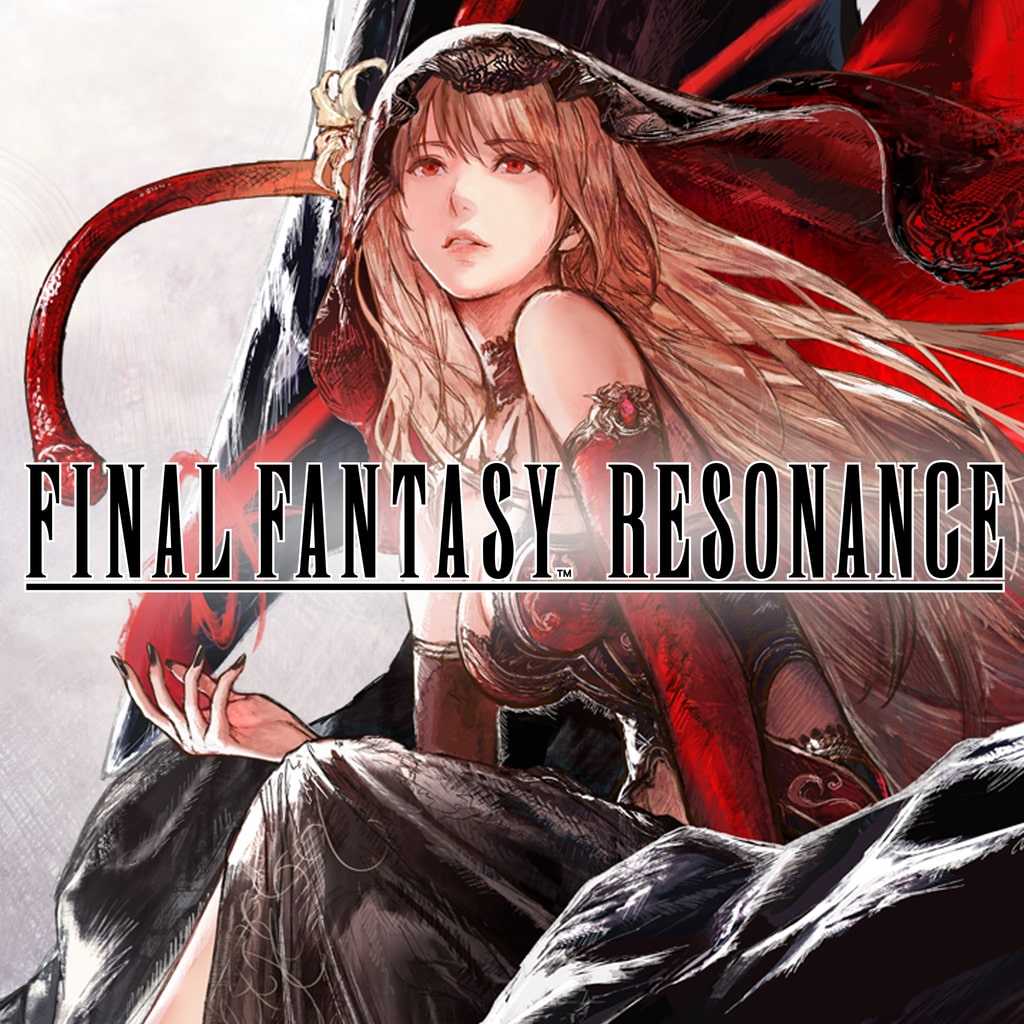
There is a certain feeling that only FINAL FANTASY can evoke when it leans into its classic identity. RESONANCE understands that feeling immediately and builds its entire foundation around it. This is a world of floating airships, fractured crystals, summoned legends, and fate-bound warriors, yet it is presented with a modern clarity that never undermines its old-school heart.
What makes this project particularly interesting is its origin. Built from the bones of Final Fantasy Brave Exvius, RESONANCE is not just a traditional remake. It is a full reconstruction that strips away mobile systems entirely and rebuilds the experience as a premium console RPG. That shift alone changes the tone significantly. What once felt like a fragmented service experience now feels like a deliberate, authored journey with rhythm and intent.
The world of Lapis is presented with a striking blend of medieval fantasy and magical technology. Airships cut through crystal-lit skies, while towns feel grounded in a lived-in sense of history. The narrative focus on Rain, Lasswell, and Fina gives the story a surprisingly personal centre, even as it expands into world-ending stakes involving shattered elemental crystals and the enigmatic Veritas of the Dark.
HD-2D as a storytelling language, not just a visual style
Square Enix’s HD-2D engine has already proven itself across several titles, but RESONANCE feels like the first time it has been pushed towards something truly cinematic. The game does not just use pixel art for nostalgia; it uses it as a foundation for dynamic camera movement, layered lighting, and expressive environmental storytelling.
There are moments in the preview builds when the camera slowly pulls back from a battlefield as a summoned Esper tears through the environment, and the combination of pixel detail and modern effects creates something that feels oddly monumental. It remains recognisably retro at its core, yet it now behaves like a living diorama with theatrical ambition.
Even quieter moments benefit from this approach. Towns feel warmer, interiors feel more tactile, and overworld traversal carries a sense of scale that earlier entries in this style sometimes struggled to achieve. It is not trying to abandon nostalgia, but rather to refine it into something more expressive and emotionally readable.
Turn-based combat rebuilt for modern pacing
At the heart of RESONANCE is a combat system that feels deliberately classic, yet with enough mechanical depth to satisfy modern expectations. Battles unfold in a timeline-based system where turn order is shaped by your decisions, positioning, and ability use. There is a clear emphasis on planning rather than reaction, yet the system never feels slow or detached.
The Break and Stagger mechanics are where combat truly comes alive. Exploiting elemental weaknesses is not just encouraged; it is essential. Breaking an enemy’s guard creates windows for Resonance Attacks, which serve as the game’s signature cinematic payoffs. These moments feel deliberately dramatic, almost as if the game rewards you with short bursts of spectacle for making smart decisions.
What helps tie everything together is how readable combat remains even as systems stack. The UI is clean without being sterile, and animations are clear enough that even chaotic encounters remain understandable. It is still a traditional JRPG at its core, but one that respects the player’s time far more than older entries sometimes did.
Visions and the weight of legacy
One of the most intriguing systems in RESONANCE is its use of Visions, which allow characters to summon echoes of iconic FINAL FANTASY heroes. Rather than simply serving as fan-service summons, these figures function more like modular combat identities layered onto your party.
Cloud, Tidus, and the Warrior of Light are not just cameos. They are mechanically meaningful additions that can reshape how a character functions in battle. This creates a flexible system in which party composition blends original characters with legacy influence. It is a design choice that will likely divide players, but it undeniably adds depth to experimentation.
There is also a subtle thematic resonance here that feels intentional. A game called RESONANCE borrowing echoes of its own franchise history fits surprisingly well within the narrative framing of fate, memory, and inherited power. It is not just nostalgia; it is systematised legacy.
Exploration that leans into classic structure
Outside of combat, RESONANCE adopts a deliberately old-school structure. The overworld map returns in full, allowing players to travel between towns, dungeons, and hidden locations with a sense of discovery that modern RPGs often streamline away. There is a comforting simplicity to it, enhanced by quality-of-life improvements that keep the pacing tight.
Side content feels generous without being overwhelming. Colosseum challenges, hidden bosses such as Ultima Weapon, and recurring characters such as Gilgamesh help reinforce the sense of a living franchise history. These elements do not feel tacked on; they feel expected, almost ritualistic in how they appear throughout the journey.
The inclusion of speed toggles also helps modernise the pacing without compromising the structure. It is a small feature, but one that makes long dungeon runs significantly more manageable.
The tension between nostalgia and reinvention
If there is a point of friction in RESONANCE, it lies in its identity balance. Some players will see it as the perfect revival of classic FINAL FANTASY design, while others may find the reliance on crossover Visions slightly distracting. There is always a risk when legacy content is mechanically integrated rather than purely narrative.
However, the game’s strength lies in its confident commitment to its vision. It does not apologise for being rooted in nostalgia, nor does it try to disguise its origins. Instead, it refines them into something more structured and deliberate.
Final verdict
FINAL FANTASY RESONANCE feels like a thoughtful reworking of a familiar idea rather than a simple revival. It brings together the emotional DNA of classic FINAL FANTASY, the experimental systems from its mobile past, and the visual sophistication of modern HD-2D design into a surprisingly cohesive whole.
It is not without its complexities or debates, yet it carries a clear sense of direction that many long-running RPG series struggle to maintain. For fans of traditional turn-based fantasy with a modern presentation, this looks like one of Square Enix’s most confident reinterpretations in years. A nostalgic echo that feels freshly composed rather than simply replayed.