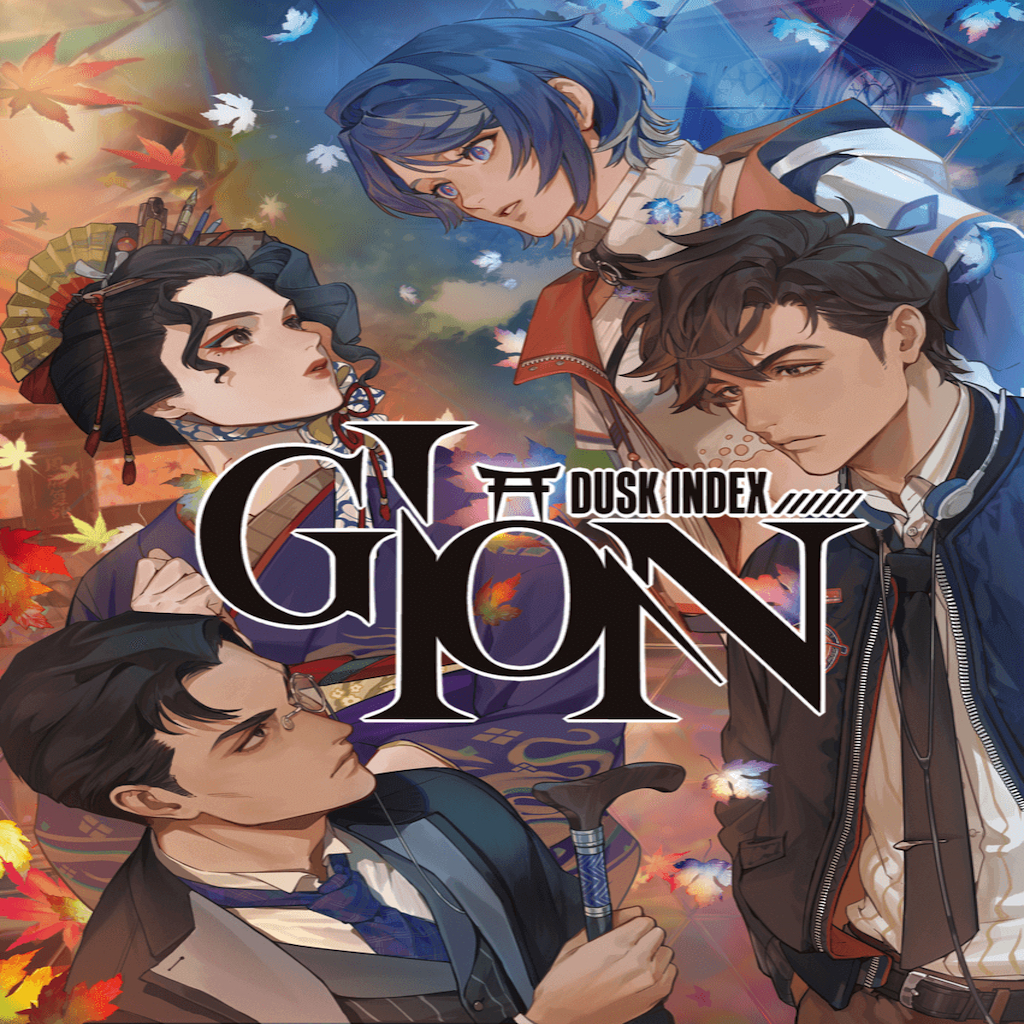
Following the cult acclaim of Tokyo Dark, expectations were high for Cherrymochi’s next narrative project. DUSK INDEX: GION doesn’t attempt to replicate its predecessor’s psychological spiral beat-for-beat — instead, it broadens the scope. The result is a richly layered, time-leaping murder mystery that bridges modern-day Kyoto with the Meiji era, blending historical drama with speculative AR-driven investigation.
It’s not just a whodunit. It’s a story about how the past refuses to stay buried — especially when technology lets you reconstruct it.
For the most part, DUSK INDEX: GION delivers one of 2026’s most atmospheric narrative experiences.
Two Eras, One Mystery
The core hook is simple yet powerful: a late 19th-century cold case resurfaces in modern Kyoto’s Gion district. Using advanced augmented reality reconstruction tools and AI-assisted forensic modelling, detectives attempt to piece together the events of a Meiji-era murder.
Players alternate between two timelines:
- Modern Kyoto — sleek tech offices, neon-lit alleyways, and digital reconstructions layered over ancient streets.
- Meiji-Era Kyoto — gas-lamp-lit corridors, wooden townhouses, and political tension simmering beneath rapid modernisation.
Rather than feeling like disconnected narratives, the two timelines intertwine organically. Discoveries in one era inform the other. Patterns echo across decades. Characters’ fates ripple through generations.
The time-leap mechanic isn’t a gimmick — it’s the spine of the story.
Investigation in the AR Age
Gameplay largely follows a visual novel structure: dialogue choices, environmental examination, and branching narrative paths. But DUSK INDEX: GION spices this up with interactive AR investigation segments.
Using futuristic reconstruction software, players can:
- Overlay historical crime scenes onto modern locations
- Analyze spatial inconsistencies
- Isolate suspect movement paths
- Cross-reference archival AI reconstructions
These segments are intuitive without feeling overly simplified. They introduce light puzzle-solving elements that reinforce the detective fantasy without slowing the narrative pace.
While not mechanically complex, they offer welcome interaction in a genre that often relies heavily on reading alone.
The Weight of History
Cherrymochi shows clear reverence for Kyoto’s cultural heritage. The Meiji-era sections are especially striking, depicting a Japan caught between tradition and industrial transformation.
Political undercurrents simmer beneath personal tragedies. Tensions over modernisation mirror the central mystery’s themes: progress versus preservation, truth versus narrative.
Unlike many historical visual novels that romanticise the past, DUSK INDEX: GION portrays it as complicated and morally ambiguous.
And Kyoto itself becomes a character — atmospheric, moody, quietly haunted.
Presentation: Cinematic and Confident
Visually, the game is polished and expressive. Character art is sharp, emotive, and detailed. Backgrounds — whether rain-soaked Gion streets or lantern-lit Meiji courtyards — are rendered with care.
Transitions between timelines are handled stylishly, often using glitch-like distortions or dissolving overlays that reinforce the fractured nature of memory and history.
Voice acting (available in Japanese with subtitles and partial English voice support) enhances the emotional weight of pivotal scenes. Performances feel restrained rather than melodramatic, which suits the tone.
The soundtrack is understated yet evocative — blending traditional Japanese instrumentation with subtle electronic elements during AR investigation sequences.
It’s immersive without being intrusive.
Psychological Undertones
Fans of Tokyo Dark will recognise Cherrymochi’s interest in psychological tension. While DUSK INDEX: GION is less overtly horror-driven, it still explores:
- The mental toll of obsession
- Ethical implications of truth-seeking
- Survivor’s guilt across generations
- The fragility of memory
Detectives in both eras are deeply flawed. Their biases, fears, and blind spots shape how players interpret events.
Choices matter — not always in dramatic branching outcomes, but in subtle tonal shifts and relationship dynamics.
The story respects player intelligence, rarely over-explaining motives or moral conclusions.
Pacing: Slow Burn with Payoff
The narrative unfolds deliberately. Early chapters prioritise atmosphere and character development over dramatic twists.
This measured pacing may test players expecting rapid-fire revelations. However, the gradual layering of clues builds to satisfying late-game tension.
When the timelines begin to converge meaningfully, the emotional payoff feels earned.
Still, there are moments — particularly mid-game — when exposition stretches longer than necessary. Some investigative loops could have been tightened for momentum.
Where It Falls Short
Despite its strengths, DUSK INDEX: GION isn’t flawless.
The branching system, while present, doesn’t radically alter the main storyline. Multiple endings exist, but the core mystery unfolds along relatively fixed rails.
AR mechanics, though engaging initially, lack deeper complexity. Repetitive investigative interactions become noticeable by the final act.
While historical authenticity is commendable, certain political subplots feel underdeveloped, introduced with intrigue but resolved quickly.
Players seeking heavy gameplay mechanics may find the experience too narrative-driven.
A Worthy Successor
Comparisons to Tokyo Dark are inevitable, but DUSK INDEX: GION stands apart by broadening its thematic scope.
It’s less about a personal descent into darkness and more about collective memory and inherited trauma.
The time-leap structure is handled with confidence. The atmosphere is consistent. The mystery is layered without becoming convoluted.
It’s mature storytelling in visual novel form.
Pros & Cons
Pros
- Compelling dual-timeline narrative
- Strong atmosphere and historical authenticity
- Stylish AR investigation mechanics
- Excellent character writing
- Beautiful art direction and soundtrack
Cons
- Slow pacing in the middle chapters
- Limited branching impact
- AR segments lack long-term depth
- Some subplots underdeveloped
Final Verdict
DUSK INDEX: GION is a thoughtful, atmospheric mystery that blends history and speculative technology into a cohesive narrative. It doesn’t reinvent the visual novel genre, but it elevates it through confident writing, strong presentation, and an intriguing dual-era structure.
While pacing and mechanical repetition slightly dampen its momentum, the emotional and thematic resonance carry it across the finish line.
For fans of narrative-driven detective stories with psychological nuance, this is a journey well worth taking through Kyoto’s haunted past.