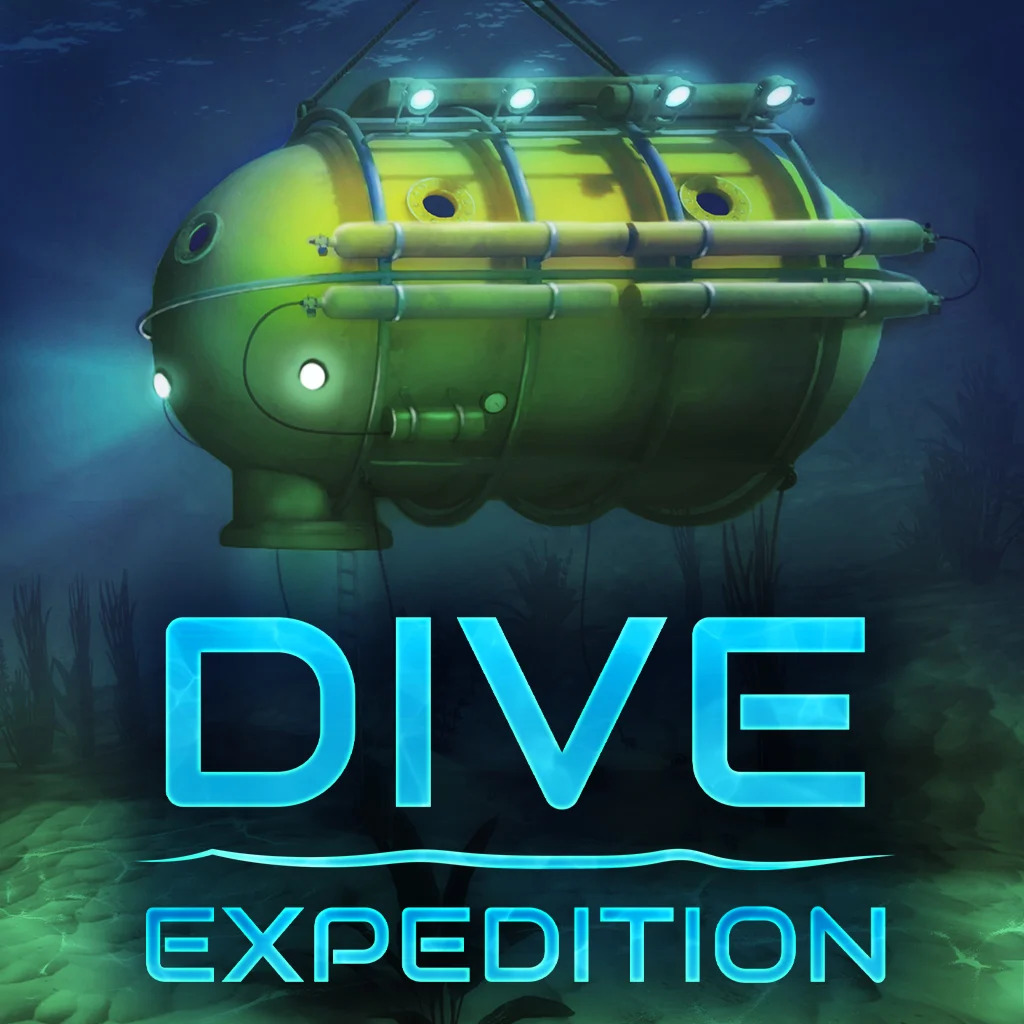
Few games have mastered the art of quiet exploration as effectively as Dive Expedition. Where many modern titles chase spectacle or speed, this unassuming adventure invites players to slow down, breathe deep, and lose themselves beneath glittering waves and mysterious ocean expanses. It’s a game that thrives on curiosity — not combat — and it rewards patience with breathtaking sights, unexpected encounters, and a soothing rhythm that rarely feels rushed or repetitive.
If there’s one thing Dive Expedition understands, it’s that the deep sea is more than an environment — it’s a mood. One that can be serene, eerie, and wondrous all at once. The game crafts this mood with remarkable consistency, and the result is an experience that feels both cinematic and meditative.
First Impressions: A Calm, Immersive Dive
From the moment you slip below the surface, Dive Expedition establishes its identity. There’s no gunfire, no frantic button mashing — just you, your gear, and the vast, rolling blue beneath. The game opens with a gentle tutorial that teaches its core mechanics: swimming, adjusting depth, reading environmental cues, managing oxygen levels, and interacting with wildlife and artifacts. Rather than overwhelming you, these introductions feel intuitive, welcoming both newcomers and seasoned explorers.
Movement feels fluid and natural. Your diver doesn’t skitter about like a land-lubber — instead, body posture, buoyancy, and current all influence motion. Paired with responsive controls, this gives the ocean a tangible physicality: currents tug at your limbs, sudden swells shift the camera, and deeper dives require more careful trim and breathing management.
Within minutes, you understand that Dive Expedition isn’t a game about beams and battles — it’s about presence. It’s about being there, in that moment, gazing at something unseen by most people.
Exploration and Discovery: A Layered Ocean
It’s tempting to compare Dive Expedition to a marine documentary with interactivity turned up — but even that understates the game’s narrative ambition. The ocean isn’t a static backdrop; it’s a living canvas full of dynamic ecosystems, geological wonders, and buried histories.
Reefs teem with life — schools of fish glitter like living mosaics, manta rays glide with effortless grace, and sharks patrol with elegant menace. Bioluminescent creatures pulse in deeper zones, illuminating caverns and hammerhead silhouettes that feel both beautiful and humbling. Encounters with wildlife are unscripted and often fleeting, and the game has a knack for making even the briefest sighting feel significant.
But wildlife isn’t the only treasure. Scattered throughout the open waters are ancient ruins, shipwrecks, and lost artifacts that hint at forgotten stories. Unearthing these relics — whether by navigating twisting caverns or deciphering weathered markings — adds a compelling narrative layer that keeps exploration feeling purposeful rather than aimless.
Each new area unlocked brings fresh terrain to navigate: underwater archipelagos, kelp forests that seem to sway with a life of their own, hidden trenches where pressure and darkness bear down, and glowing coral cities that feel almost otherworldly. There’s a palpable thrill to discovering a new biome, even if all you’re doing is lingering in its beauty for a few tranquil minutes.
Game Mechanics: Elegant, Rewarding, Grounded in Realism
Under the water’s surface lies a surprisingly robust system of mechanics that keep Dive Expedition from becoming just a pretty postcard. As you explore, you must manage oxygen — which can’t simply be ignored — and deploy gear like sonar beacons, underwater drones, and mapping tools to navigate deeper reaches.
Each tool has a specific function and is integrated smoothly into the pacing of exploration. Sonar beacons help reveal topography in murky depths. Mapping tools chart previously unseen areas so you can return later with confidence. Underwater drones let you scout dangerous zones before committing to a dive.
These mechanics aren’t overwhelming; they’re optional aids that enrich your sense of mastery. They’re also smartly designed so that every subsystem feels like an extension of the marine world you’re exploring, rather than an intrusive gameplay layer.
Completing objectives — such as cataloguing rare species, retrieving artifacts, assisting marine biologists, or mapping out cavern networks — earns experience and unlocks equipment upgrades. Progression feels earned, and clear goals help structure your voyage through the otherwise vast and open seascape.
Visuals and Audio: A Symphony of Depth
One of Dive Expedition’s greatest strengths is its audiovisual presentation. The game’s oceans are breathtakingly realised. Crystal-clear shallows shimmer under sunlit waves, while deeper trenches are moody and mysterious, lit only by bioluminescence and your own instruments’ glow.
Creature animations are rich with detail — fish dart and curve with believable group dynamics, giant squids wave sinuous tentacles in slow motion, and whales breach in distant horizons that feel impossibly vast. The sense of scale is masterful; even the smallest nudibranch scout feels like part of a much larger underwater ecosystem.
Sound design is equally impressive. Above water, gentle waves lap against your boat. Below, ambient audio is a tapestry of distant whale songs, currents murmuring through kelp, and the occasional metallic echo from deep wrecks. A minimalist piano and synth score underscores your dives, rising subtly during moments of discovery and falling back into ambient calm during solitary exploring.
Together, visuals and sound create a unique sense of immersion. Dive Expedition doesn’t just simulate the ocean — it evokes its emotional resonance.
Challenges and Difficulty: A Gentle Ride With Pockets of Tension
Unlike many contemporary games that lean hard into combat, Dive Expedition reserves its challenges for environmental hazards and resource decisions. Deep dives come with pressure effects, dangerous currents, cold-water zones, and the ever-present risk of oxygen depletion. These aren’t arbitrary obstacles; they’re woven into the fabric of the ocean itself.
Certain areas require careful prep — upgraded gear, full oxygen reserves, and route planning. There are also moments of real tension, such as navigating collapsing caverns, evading predatory packs, or managing a low-oxygen ascent while stuck between currents. These sequences inject adrenaline without compromising the game’s overall zen vibe.
For players seeking fierce difficulty or combat intensity, Dive Expedition may feel mild. But its challenge lies in respect for its world’s rules and the subtle pressure of survival and discovery.
Where It Could Improve
No game is without room for growth. Dive Expedition’s pacing, while mostly excellent, occasionally dips into aimless cruising when objectives are far apart. A bit more connective narrative or mission variety could help sustain engagement during longer play sessions.
A few multiplayer options — cooperative dives or shared expeditions — would also be welcome, enhancing the game’s sociable exploration potential. Finally, occasional UI refinements (like clearer waypoint markers or customizable HUD elements) could improve accessibility for newer players.
Final Verdict
Dive Expedition stands as a remarkable example of what exploration games can achieve when they prioritise mood, curiosity, and emotional resonance over twitch reflexes or explosive spectacle. It invites players into a world that feels alive, mysterious, and humbling. Its thoughtful mechanics and gorgeous audiovisuals make every descent feel meaningful, while its gentle pacing encourages you to savour rather than rush.
Whether you’re cataloguing a rare species in a coral maze, tracking the outline of a long-lost shipwreck, or simply watching a school of fish swirl in a sunbeam, Dive Expedition turns moments of quiet observation into compelling play.