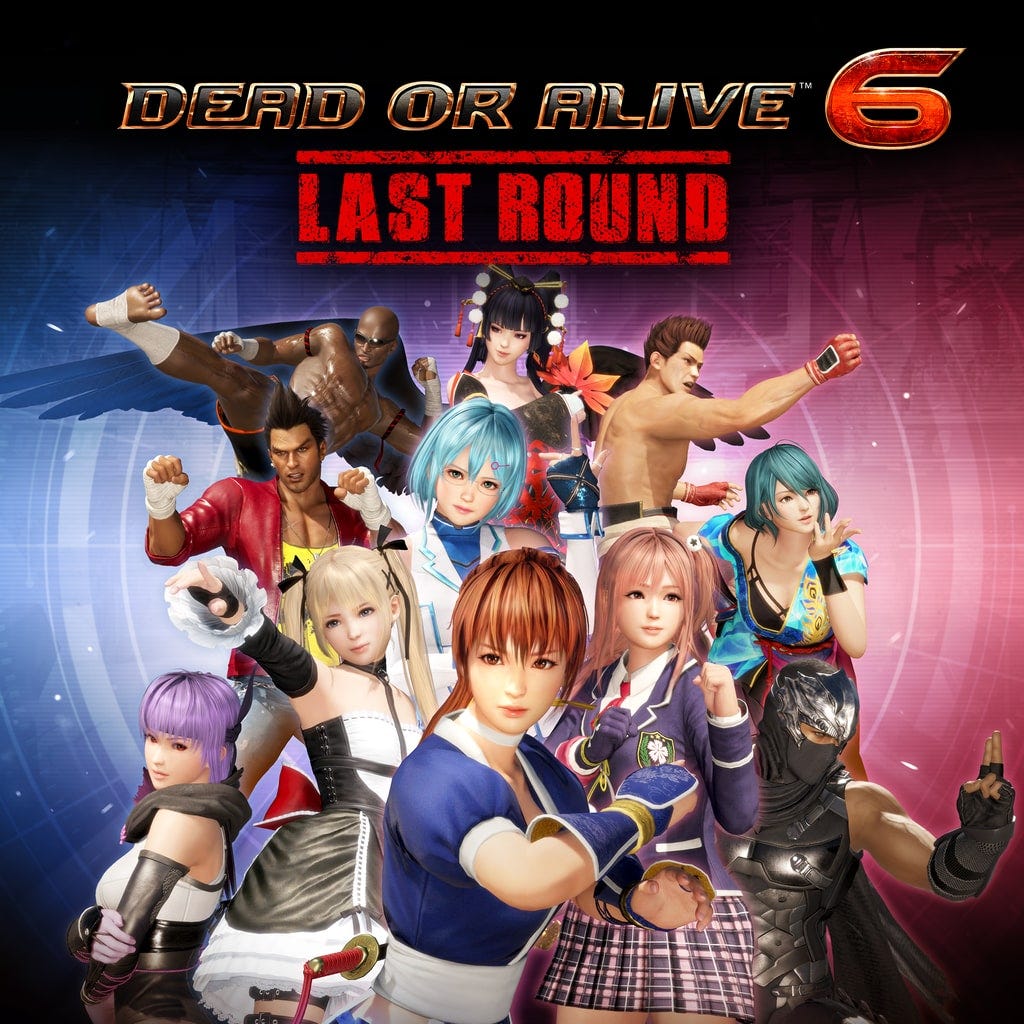
There are few fighting game franchises quite like DEAD OR ALIVE. For decades, Team NINJA’s series has occupied a unique position within the genre, straddling the line between technical, competitive fighter and pure arcade spectacle. While the franchise has often attracted attention for reasons beyond its combat systems, those willing to look beyond the headlines have always found one of the most fluid and mechanically satisfying 3D fighting games ever created.
DEAD OR ALIVE 6 Last Round arrives as an attempt to package the 2019 fighter into a more complete experience for modern audiences. Featuring an expanded roster, additional content, visual enhancements, and a new Photo Mode, this release aims to serve as the definitive version of the game. In many ways, it succeeds. The core fighting remains exceptional, the roster is packed with personality, and the action is every bit as thrilling as fans remember. Yet despite these strengths, a few frustrating omissions prevent this release from becoming the ultimate celebration the series deserves.
Fast, Flashy and Fiercely Fun
The moment a match begins, DEAD OR ALIVE 6 Last Round reminds you why this series has endured for so long. Combat feels wonderfully responsive, with every punch, kick and throw carrying impressive weight and impact. Character animations remain among the best in the genre, flowing seamlessly from one move to the next while maintaining a sense of realism few competitors can match.
What continues to set DEAD OR ALIVE apart from many of its rivals is its famous triangle system. Strikes beat throws, throws beat holds, and holds counter strikes. This constant game of prediction adds a fascinating layer of mind games beneath the surface. Success is not simply about memorising lengthy combo strings. Reading your opponent and anticipating their next move often proves just as important.
The hold system remains one of the most rewarding mechanics in any fighting game. Successfully countering a devastating attack at the last possible moment never loses its appeal. Every match becomes a psychological battle where momentum can shift instantly, keeping fights tense until the final blow lands.
For newcomers, Team NINJA has ensured the action remains approachable. Fatal Rush combos allow inexperienced players to execute flashy sequences with simple inputs, while the Break Gauge introduces powerful offensive and defensive options that can help turn the tide of battle. Veterans may prefer deeper systems, but these additions make the game significantly easier to enjoy without sacrificing too much strategic depth.
A Roster Full of Personality
One of Last Round’s biggest selling points is its expanded roster. The package includes 29 playable fighters, bringing together fan favourites from across the series alongside five additional characters originally released as DLC.
Characters such as Kasumi, Hayabusa, Jann Lee and Tina remain as entertaining as ever, while additions like Tamaki, Rachel, Momiji, Phase 4 and Nyotengu provide welcome variety. Each fighter has a distinct fighting style, ensuring that learning a new character genuinely feels like learning a new way to play.
The roster benefits from strong visual design and memorable personalities. Even after years away from the series, many characters remain instantly recognisable. Their fighting styles reflect who they are, giving the cast a sense of identity that helps matches feel fresh even after dozens of hours.
The only disappointment is the absence of certain guest characters due to licensing complications. While understandable, longtime fans who previously owned these fighters may feel frustrated by the fragmented nature of the content.
Stages That Fight Back
Environmental interaction has always been a defining feature of DEAD OR ALIVE, and Last Round continues that tradition beautifully. Arenas are more than simple backdrops. They are active participants in every battle.
Danger Zones remain immensely satisfying. Launching an opponent into an explosive hazard or smashing them through environmental obstacles never gets old. Multi-tiered stages create dramatic moments in which a single mistake can send fighters crashing into entirely new sections of an arena.
These cinematic transitions add spectacle without significantly interrupting the pace of combat. They also help distinguish DEAD OR ALIVE from other fighters that rely solely on traditional arena design. Every stage feels dynamic and alive, contributing to the game’s energetic personality.
Visually, the current-generation upgrade sharpens character models and environmental detail. While this is not a complete graphical overhaul, the cleaner presentation helps the game look better than ever. Lighting improvements add extra atmosphere to several stages, particularly during dramatic finishes and special attacks.
A Welcome Playground for Fans
One of the more enjoyable additions is the new Photo Mode. While it may seem like a minor extra, it offers surprising flexibility for players who enjoy taking screenshots or staging elaborate scenes.
Characters can be positioned, posed and customised across various environments. Expressions can be altered and camera angles adjusted to capture exactly the moment you want. For casual fans, this may be little more than a novelty, but creative players will likely spend far more time with the feature than expected.
The inclusion of additional costumes further expands these possibilities. Thankfully, unlocking outfits feels significantly less frustrating than in earlier versions of the game. Progression is smoother and more respectful of the player’s time, making experimentation far more enjoyable.
Where the Definitive Edition Falls Short
For all its strengths, DEAD OR ALIVE 6 Last Round struggles to fully justify its premium status. The biggest issue is its online infrastructure. In an era when rollback netcode has become increasingly standard across competitive fighting games, its absence is impossible to ignore. Online matches remain functional, but they lack the consistency and responsiveness modern players have come to expect.
The lack of crossplay further limits the online community. Fighting games thrive when player pools remain healthy and active, and separating audiences across platforms inevitably reduces matchmaking opportunities over time.
There is also the matter of value for existing owners. Players who invested heavily in the original release may find it difficult to justify repurchasing the game. While the bundled content is substantial, the overall package often feels closer to an enhanced re-release than a transformative new edition.
Final Verdict
DEAD OR ALIVE 6 Last Round is a reminder of how enjoyable 3D fighting games can be when the fundamentals are executed well. Its combat remains fast, fluid and deeply satisfying, supported by a charismatic roster and spectacular environmental interactions that few competitors can match.
What ultimately prevents this package from achieving true greatness is not the gameplay itself, but the surrounding ecosystem. The absence of rollback netcode and crossplay leaves the online experience feeling stuck in the past, while returning players may struggle to find enough new content to justify another purchase.
Even so, for newcomers looking to experience one of the genre’s most entertaining fighters, this is easily the best version available. Beneath the debates over monetisation and missing features lies an exceptional fighting game that still delivers thrilling battles years after its original release.