Dark Quest has always worn its inspirations proudly on its chain-mail sleeve. The original 2015 release felt like a digital love letter to HeroQuest and classic pen-and-paper dungeon crawlers, but it was also rough around the edges, limited in scope, and visually dated even for its time. Dark Quest: Remastered is not just a fresh coat of paint—it’s a ground-up rebuild using the engine from Dark Quest 4, bringing modern 3D visuals, smoother controls, and a more console-friendly structure to a design rooted firmly in old-school sensibilities.
The premise is gloriously simple: a dark sorcerer has taken root beneath the village of Darkwood, and it’s up to a band of unlikely heroes to descend into his labyrinth and put an end to his evil. There are no sprawling open worlds, no moral dialogue wheels, and no crafting systems that require a spreadsheet. This is pure, dice-and-grid fantasy distilled into video-game form.
Tactical Simplicity with Teeth
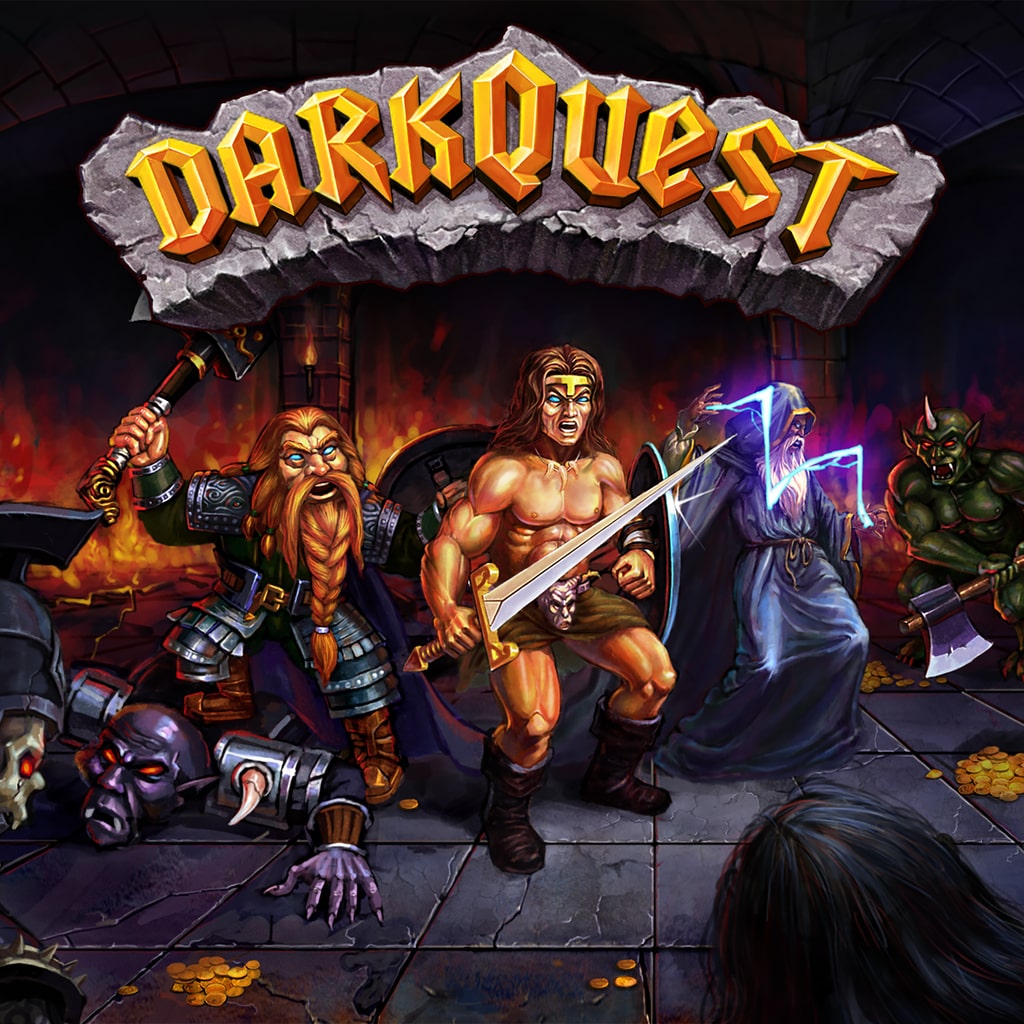
At its core, Dark Quest: Remastered is a turn-based, grid-based dungeon crawler. You assemble a party from familiar fantasy archetypes—the barbarian, the wizard, the dwarf, the elf—and move them through claustrophobic corridors filled with orcs, skeletons, traps, and the occasional nasty surprise. Combat is methodical and deliberate. Each action costs movement points, positioning matters, and a single reckless decision can leave your wizard turned into paste by a minotaur.
What makes the system engaging is its restraint. Unlike modern tactical RPGs that drown players in abilities, cooldowns, and nested menus, Dark Quest keeps things readable. The barbarian hits hard but must get close. The wizard is fragile yet capable of battlefield-shaping spells. The dwarf shrugs off punishment like a stubborn anvil. It’s familiar, but it works because encounters are designed around these clear roles.
The remaster improves the flow dramatically. Animations are snappier, enemy turns don’t feel like watching paint dry, and controller support is finally intuitive. On Switch in particular, the game feels right at home—like a digital board game you can carry in your bag.
Atmosphere Over Excess
Visually, this is the biggest leap from the original. The new engine brings fully 3D environments, dynamic lighting, and character models that actually look like miniature figurines come to life. It’s not a AAA spectacle, but the art direction nails that cozy-yet-ominous tabletop vibe. Torches flicker against damp stone, treasure chests glow temptingly, and the sorcerer’s lair feels appropriately miserable.
The soundtrack deserves praise as well. Moody strings and low percussion sell the idea that your party is always one bad roll away from disaster. Sound effects have weight—swords clang, fireballs crackle—and there’s a satisfying crunch when a critical hit lands.
Old-School Charm, Old-School Frustrations
For all its improvements, Dark Quest: Remastered is unapologetically old fashioned, and that cuts both ways. There’s limited narrative beyond the setup. Characters don’t banter, relationships don’t evolve, and quests rarely surprise. If you’re coming from modern RPGs like Baldur’s Gate 3 or Divinity: Original Sin 2, this will feel skeletal.
Difficulty can also spike in ways that feel more cruel than clever. A bad sequence of dice rolls can wipe out progress, and while that’s faithful to tabletop roots, it may test the patience of players accustomed to generous autosaves and rewind systems. The game offers options to mitigate the harshness, but purists will likely leave them off—and occasionally regret it.
Variety is another sticking point. Dungeons, while atmospheric, start to blur together after several hours, and enemy types recycle faster than ideal. The strategic core remains fun, yet the campaign could use a few more mechanical twists to sustain long sessions.
Perfect for a Specific Kind of Hero
Where Dark Quest: Remastered truly shines is as a digital board-game substitute. Played in short bursts, it captures the feeling of gathering around a table for a quick dungeon run. The streamlined interface makes it accessible to newcomers, while the underlying systems still have enough bite to satisfy veterans.
Multiplatform release is a smart move, and the console optimization shows real care. Text is readable from the couch, menus are clean, and load times are minimal. Brain Seal clearly understood that this needed to feel less like a PC port and more like a native living-room experience.
Final Thoughts
Dark Quest: Remastered doesn’t try to reinvent the genre—it tries to preserve it. In an era of bloated open worlds and 100-hour checklists, there’s something refreshing about a game that simply asks you to pick a hero, open a creaky door, and hope the skeleton behind it rolls low damage.
It won’t convert players who demand cinematic storytelling or endless build variety, but for anyone who grew up rolling dice and arguing about line of sight, this is a warm, slightly dangerous trip down memory lane.
Pros
- Faithful, satisfying tabletop-style tactical combat
- Strong visual overhaul with charming miniature aesthetic
- Excellent controller optimization on all consoles
- Easy to pick up, hard to master strategic encounters
- Perfect pacing for handheld and short sessions
Cons
- Light on story and character development
- Occasional difficulty spikes feel unfair
- Limited enemy and environment variety
- Old-school design may feel bare to modern RPG fans
Final Verdict
Dark Quest: Remastered is a confident revival of classic dungeon crawling, balancing nostalgia with smart modern upgrades. It doesn’t chase trends, and that’s exactly why it works—this is comfort food for tacticians who like their fantasy served with a side of dice.