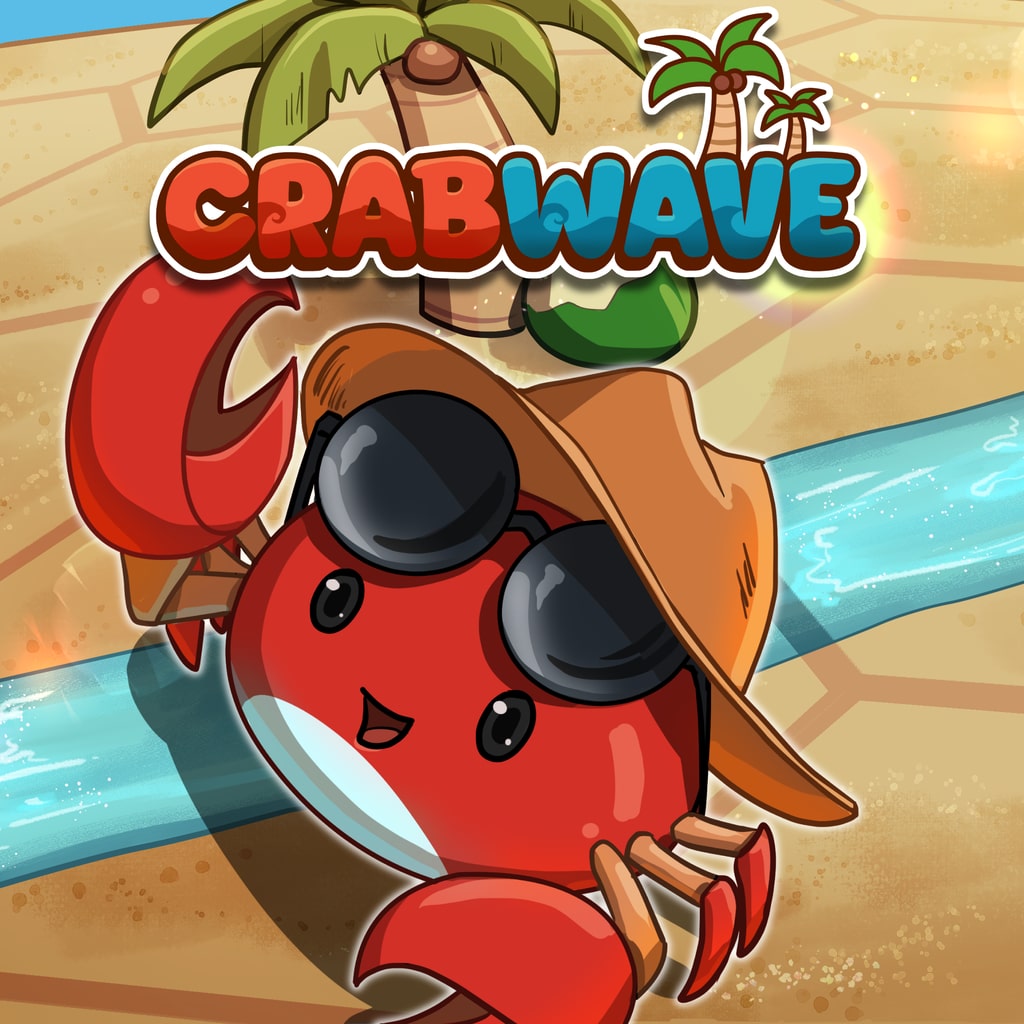
There’s a particular magic in games that set aside grand ambition and instead celebrate pure, unfiltered fun. Crabwave is one of those rare titles that doesn’t try to redefine the medium; it simply funnels energy, absurdity, and instant engagement into short bursts of chaotic play that make you laugh as often as you triumph.
Released in a wave of retro-styled indie hits, Crabwave stands out by wearing its influences proudly — bright pixelated visuals, buzzy synth music, and an unmistakable arcade twinge. But beneath its colourful surface lies a deceptively substantive experience built around frantic combat, tight movement, and a surprising amount of variety in how you choose to play.
Whether you’re in it for a quick five-minute blast or an extended session, Crabwave delivers moments of electrifying joy that are equal parts bizarre and brilliantly crafted. Just don’t go in expecting a sprawling narrative or deep progression systems — this is about reflexes, experimentation, and the kind of unpredictability that keeps its momentum crashing in waves.
Core Gameplay: Quick, Fluid, and Chaotic
At its heart, Crabwave is a top-down arcade combat game that thrives on speed, spatial awareness, and adaptive thinking. Players control a small craft through arenas filled with unpredictable enemy patterns and environmental hazards, with the central challenge being survival — lasting as long as you can while managing crowding foes and exploding obstacles.
Controls and Movement
From the outset, movement feels quick and responsive. Your craft isn’t heavy — it slides with a momentum that feels reminiscent of classic arcade shooters, but with a modern polish that avoids frustration. Burst dashes, quick turns, and sustained movement all feel intuitive, letting you focus on what to do rather than how to do it.
This emphasis on fluid control is critical: in a game where so much is happening on screen at once, precise movement isn’t just a convenience — it’s a survival tool.
Combat Dynamics
Enemies come in waves, each with distinct behaviours:
- Shot-spreading drones that skitter unpredictably
- Slower, larger foes that charge and ram
- Homing enemies that force constant attention
- Environmental hazards that reshape arenas mid-fight
These combinations keep combat fresh. One moment you’re weaving between bullets in a tight circle; the next you’re blasting through hordes while dodging seismic ground pulses.
What makes Crabwave addictive is its balance of risk and reward. Staying near enemy clusters fills your score meter faster, but it also drastically increases the odds of being overwhelmed. Conversely, retreating too far isolates you from engagement bonuses. The tension between safety and reward keeps encounters exciting.
Visual Identity and Presentation
If Crabwave has a standout trait beyond its gameplay, it’s its visual character. The game’s aesthetic is boldly retro, borrowing elements from 8- and 16-bit classics — but with a modern, high-contrast sheen that helps it pop on contemporary screens.
Sprites are crisp, colours are vibrant, and explosions crackle with satisfying visual weight. There’s a manic choreography to each arena: bullets trail luminously across the screen, enemies animate with distinctive flair, and particle effects punctuate every victory (or failure) with satisfying feedback.
This sense of spectacle isn’t merely decorative — it reinforces the game’s identity as a lively, expressive fireworks display of chaos and precision.
Audio Design and Atmosphere
Audibly, Crabwave leans into a retro-synth soundscape that complements its visuals and action briskly. Pulsing tracks underpin the rhythm of combat without ever becoming distracting, and weapon blasts, explosions, and enemy alerts all deliver punchy, satisfying cues that keep you immersed.
What’s notable is how the audio reinforces the feel of the game: energetic, unpredictable, and full of momentum. Whether you’re narrowly dodging a barrage or riding a wave of consecutive kills, the soundtrack and SFX work together to maintain a sense of kinetic excitement.
Modes and Replayability
One of Crabwave’s strengths is how it extends replay value without resorting to convoluted progression systems. The core loop — survive longer, push further, improve skills — is inherently motivating, and the game’s structure encourages repeat play in several ways:
Endless Mode
This classic survival variant throws you into escalating chaos with the goal of lasting as long as possible. Scoreboards and personal bests give shape to repeated sessions and spark friendly competition.
Challenge & Weekly Modes
Timed runs, unique enemy compositions, and restricted loadouts offer bite-sized twists that test mastery under specific constraints. These modes keep players returning, even after they’ve “seen everything” in the basic loop.
Cosmetic Rewards & Unlocks
While cosmetics don’t affect performance, they provide a nice carrot for dedicated players. New skins, effects, and visual flourishes add personality and a sense of progression without burdening the core gameplay.
This layered approach keeps the experience feeling fresh without stretching too thin or demanding excessive time commitments.
Pacing and Player Engagement
Crabwave’s pacing is its secret sauce. Sessions are short enough to enjoy in microbursts, yet the escalating tension creates an emergent “just one more run” momentum that keeps you playing longer than intended.
Unlike games built around marathon sessions or sprawling campaigns, Crabwave respects your time. Each attempt feels self-contained, but every run builds skill, familiarity, and the joy of incremental mastery.
That said, the lack of a longer, story-led campaign may deter players who crave narrative purpose along with action. But for players who thrive on fluid gameplay and emergent challenge, this design suits the game perfectly.
Where It Could Improve
No game is without room to grow, and Crabwave is no exception:
- Narrative Identity: The game’s premise is light; adding a subtle narrative layer or lore context could deepen emotional investment for some players.
- Difficulty Curve: Some modes spike in difficulty abruptly, which can feel punishing to newcomers without offering intermediate steps.
- Accessibility Options: Expanded accessibility features — such as adjustable speed settings or visual clarity modes — would broaden appeal without compromising challenge.
These criticisms are relatively minor, but addressing them could elevate the experience from excellent to exceptional.
Final Verdict
Pros:
- Fast, fluid arcade combat that rewards skill and adaptability
- Vibrant, expressive visuals and satisfying audiovisual design
- Engaging survival and challenge modes with replay appeal
- Accessible for short or extended sessions
- Stylish aesthetic and energetic presentation
Cons:
- Narrative is minimal and incidental
- Difficulty spikes may deter less experienced players
- Could benefit from deeper accessibility options
Summary:
Crabwave is a joyful, kinetic arcade experience that marries old-school inspiration with modern polish. It doesn’t take itself too seriously, but it delivers thrills, laughs, and genuinely tense moments that are hard to walk away from. While it may not be the deepest game of the year, it stands out as a pure expression of fun — the kind that makes you smile during play and think about just one more run afterward.