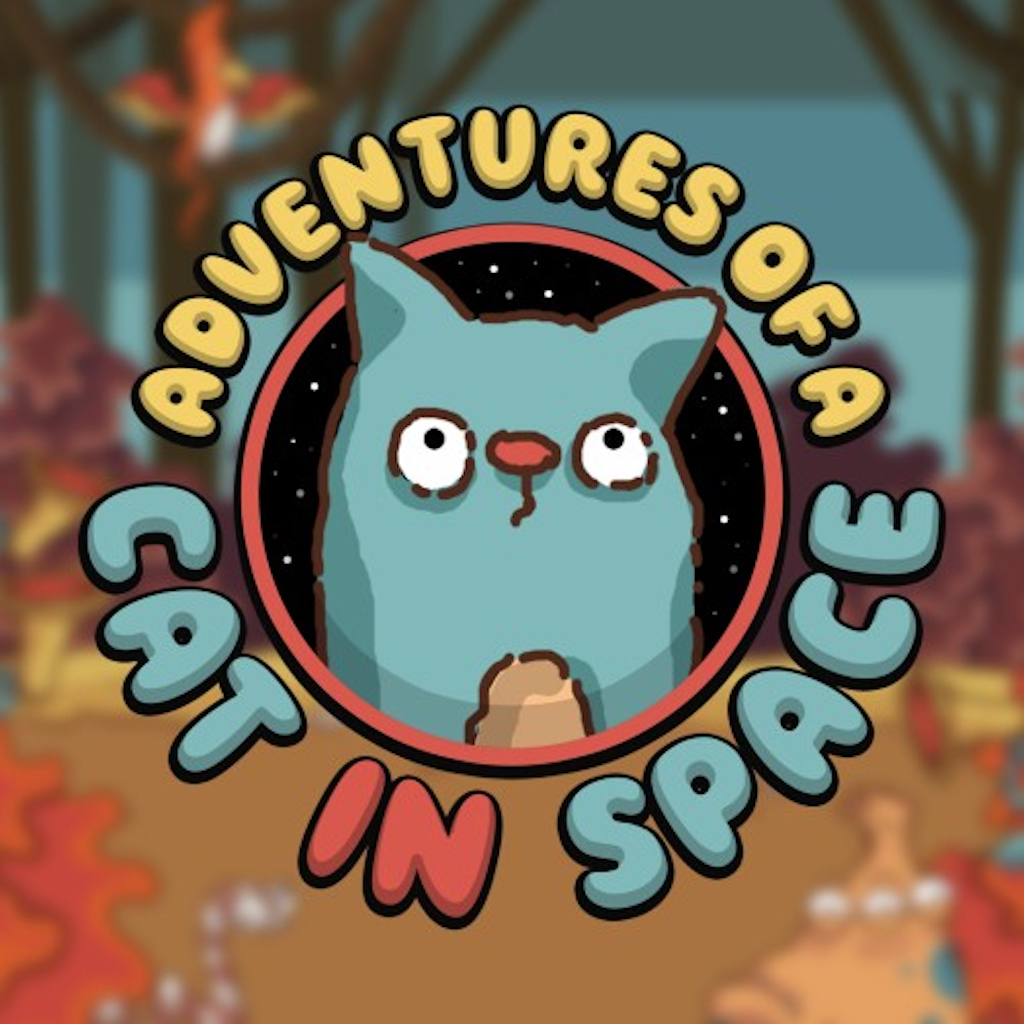
Few games begin with as unmistakable a promise as Adventures of a Cat in Space: a feline protagonist, zero gravity, and a galaxy full of colourful planets to explore. At its core, this is a game built on charm, curiosity, and the simple joy of movement. It is the sort of title that might easily be dismissed as “cute” on first glance; but beneath its playful exterior lies a physics-driven platformer with genuine moments of ingenuity, exploration, and personality.
That said, while Adventures of a Cat in Space delivers a memorable experience in many respects, it also stumbles over inconsistency in pacing and occasional mechanical rough edges. What remains consistently engaging, however, is the game’s central conceit: an intrepid interstellar cat bounding across strange worlds, solving puzzles and dodging hazards with feline flair.
First Impressions: Feline Flair Meets Cosmic Playground
From the outset, Adventures of a Cat in Space makes it clear what it wants to be: a physics-based adventure platformer that combines light puzzle mechanics with whimsical world design. The moment you take control of your astronaut cat — tethered to a jetpack and navigational thrusters — the game’s emphasis on movement becomes apparent. There are no rigid rails here; instead, momentum, trajectory, and careful thrusts shape every jump, lag, and momentum reversal.
Visually, the game embraces a colourful, stylised aesthetic that feels like a blend of Saturday morning cartoon and indie polish. Planets are rendered in vibrant hues, each with its own thematic identity — icy plains, lava-scorched ridges, lush forests, and abandoned space stations all await discovery. Characters and enemies alike wear an endearing, expressive design language. It’s the kind of presentation that does more than look pretty: it reinforces tone, whimsy, and the sheer delight of exploration.
Movement and Physics: Fun, But With a Learning Curve
The heart of Adventures of a Cat in Space lies in its movement mechanics. Traversal is always governed by physics, and this has both its virtues and its frustrations. On the positive side, mastering momentum and drift yields some genuinely satisfying moments. Launching off a small asteroid, trading rotational momentum for a pinch of forward thrust, and then grinning as your cat arcs toward a distant platform — these are the kinds of second-to-second experiences that the game nails consistently.
That said, physics-based control systems are a double-edged sword. For players unaccustomed to inertia-heavy movement, early sections of the game can feel slippery, imprecise, or just a bit awkward. There are moments when you intend to make a small adjustment and instead find yourself drifting several metres off course. The learning curve, while not punishing, is noticeable — and some players will want more direct responsiveness from the jump controls.
Thankfully, the game eases players into this system gradually, with early levels serving as a tutorial for gravitational interactions and jetpack handling. The game does well to build confidence before presenting more complex scenarios, and once you “get” the momentum mechanics, the movement becomes one of the game’s most appealing features.
Level Design: Variety With Occasional Lulls
Adventures of a Cat in Space does a solid job of pacing its planetary environments. Each world feels distinct not just in visuals, but in the way it challenges the player. One planet might emphasise careful jetpack precision in low gravity; another might task you with navigating scorching hot lava pools and crumbling platforms. There are even occasional sections of light combat or enemy encounters that interrupt the exploration loop without overwhelming it.
The diversity in level design keeps early and mid-game progression fresh. The objectives vary too — from simple reach-the-portal puzzles to more involved retrieval missions or timed sequences that test your command of physics and environmental hazards.
However, the game’s charm occasionally outpaces its structural discipline. There are stretches where the pacing feels uneven: long traversal segments with few obstacles can drag, and certain puzzle elements repeat without enough innovation to keep them consistently engaging. These moments don’t break the experience, but they do interrupt the momentum the game works so hard to build.
Narrative and Character: Light Touch, Gentle Whimsy
Narratively, Adventures of a Cat in Space treads a light path. There is no sweeping space opera unfolding with dramatic twists; instead, story beats are woven through sparse interstitial scenes and character interactions that lean into humour and the absurdity of a cat exploring the cosmos.
Dialogue is simple, often punctuated with playful banter and occasional cute quips about yarn balls, cosmic tuna, or the existential questions only a spacefaring feline might consider. It’s not narrative depth as much as narrative flavour — and for what the game aims to be, that casual, tongue-in-cheek tone works.
Players seeking a deep, branching story may be left wanting more. But those open to an adventure that delights in its own whimsy rather than dramatic weight will find the narrative complements the gameplay without demanding too much attention.
Audio and Presentation: Solid Support, Occasional Misses
The game’s audio direction matches its aesthetic. The soundtrack leans into light, bouncy melodies that fit both the playful visuals and the brisk pacing of exploration. Sound effects — from jetpack bursts to alien creature chirps — are well implemented and contribute to immersion without ever feeling intrusive.
There are occasional instances where audio cues could do more to communicate gameplay information — for example, changes in cue intensity to signal nearby hazards or imminent physics shifts. However, these omissions are minor and do little to significantly impact the overall experience.
Performance and Polish
On PC, Adventures of a Cat in Space runs smoothly across a broad range of hardware. Load times are minimal, and performance remains stable even in more visually complex sections. The control mapping feels intuitive, though providing more granular adjustment options might benefit players who prefer finer tuning of jetpack sensitivity or camera behaviour.
Crashes and bugs are rare, and the game feels well tested. There are no glaring technical issues detracting from play, which is especially welcome in physics-driven games where small instabilities can otherwise lead to frustrating moments.
Final Verdict: Charm With a Gentle Kick
Adventures of a Cat in Space is not perfect, but it is frequently delightful. Its physics-based movement offers a learning curve that rewards patience, and its colourful worlds present a variety of challenges that keep exploration entertaining. While pacing can occasionally sag and some mechanics lack refinement, these are minor blemishes on an experience that is otherwise thoughtfully designed and consistently fun.
For players who value movement-driven exploration, whimsical presentation, and a game that doesn’t take itself too seriously, Adventures of a Cat in Space delivers a cosmic romp worth your time.