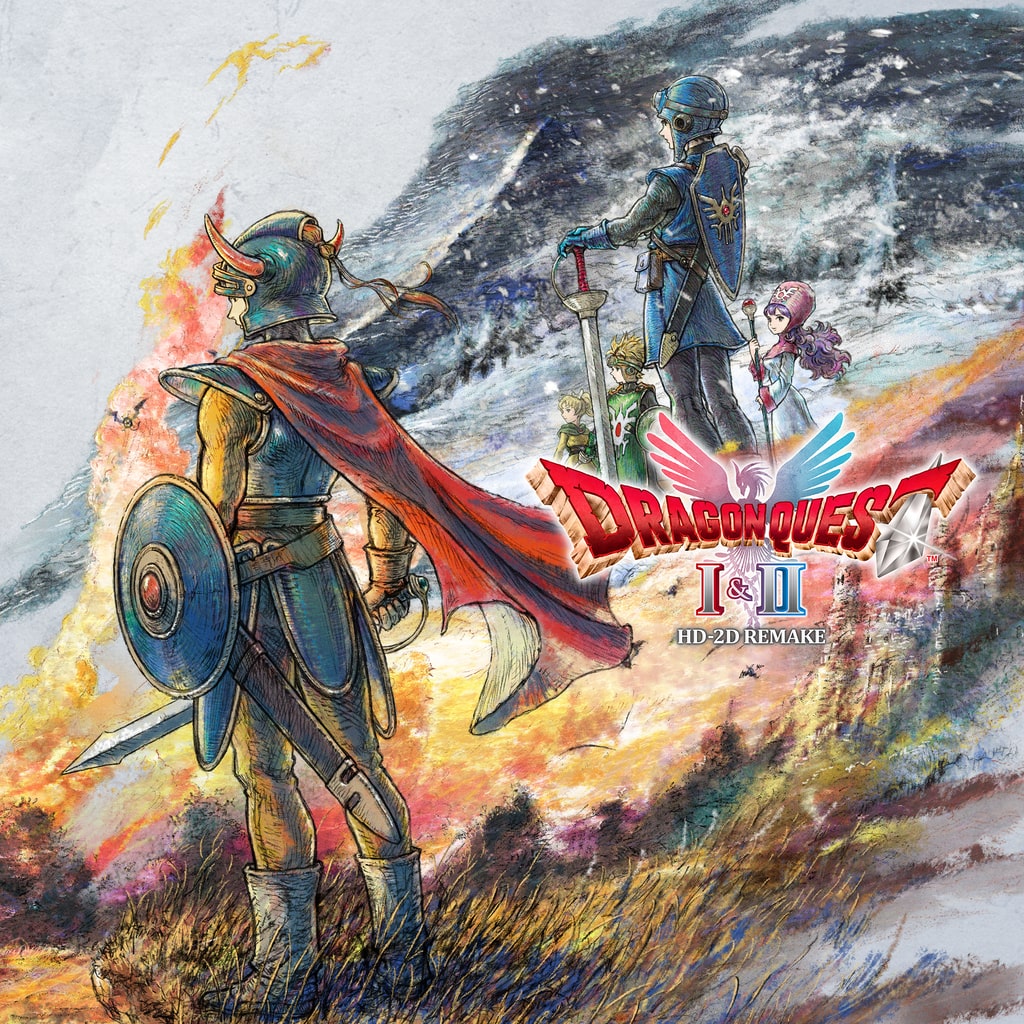
When the venerable Dragon Quest I and Dragon Quest II receive a full-scale remake in Square Enix’s distinctive “HD-2D” style—pioneered by Octopath Traveler and expanded in Dragon Quest III HD-2D Remake—the question isn’t just whether they look prettier. It’s whether they still play well in 2025. The answer is a confident yes. This bundled remake not only breathes new life into the series’ origins but also refines their design for a new generation without losing their timeless charm.
Visuals & Style
From the opening sequence, the HD-2D makeover makes an unforgettable impression. Pixel-art characters, layered over lush miniature-like 3D environments, gleam with clarity and depth. Lighting, fog, and subtle camera tilts give towns and dungeons a striking diorama feel. Every cobblestone road and flickering torch evokes nostalgia while feeling fresh and alive.
What’s most impressive is how the art direction honors Dragon Quest’s classic simplicity while elevating it with painterly textures and cinematic presentation. The bright colors and warm atmosphere create a sense of wonder that’s rare in modern RPGs. It’s hard not to smile when you first walk into Tantegel Castle and hear that familiar fanfare with orchestral richness echoing through its halls. This is a remake that understands its heritage and polishes it lovingly rather than replacing it.
Gameplay & Modernisation
Visuals aside, the real surprise is how much has been rebalanced under the hood. The first Dragon Quest has long been infamous for its lonely hero, punishing grind, and one-on-one battles. The remake fixes nearly all of that. Battles now include multiple enemies, combat flows faster, and experience and gold pacing have been smoothed to reduce the need for tedious farming. The sense of adventure remains intact, but frustration is minimized.
Meanwhile, Dragon Quest II benefits from a broader overhaul. Menus are cleaner, direction is clearer, and party balance feels fairer. The original’s difficulty spikes and obscure quest steps have been softened without dumbing down the experience. Both games share a unified interface that feels consistent with Dragon Quest III HD-2D Remake—snappy, readable, and responsive whether you’re playing on console or handheld.
Modern conveniences like autosave, faster battle speed, and quest logs make these games accessible for today’s audience. Yet the developers wisely stopped short of over-streamlining. You still need to plan your spells, manage resources, and pay attention to the world’s hints. The spirit of classic Dragon Quest—slow growth, steady exploration, and satisfying payoff—remains intact.
Narrative & Tone
Let’s be clear: these are not sprawling narrative epics. Dragon Quest I’s story is as straightforward as they come—defeat the Dragonlord, rescue the princess, save the kingdom. Dragon Quest II expands the scope with multiple kingdoms, a small cast of heroes, and a more layered journey, but it’s still a minimalist tale by modern standards.
However, that simplicity works in its favor. The remakes don’t attempt to rewrite or over-complicate the originals. Instead, they polish the pacing, add brief new vignettes, and subtly emphasize the legacy of the Erdrick bloodline. Together, the two games now feel more like connected chapters of a grand legend rather than isolated relics. The storytelling is direct, sincere, and earnest—qualities that remind you why Dragon Quest became the blueprint for an entire genre.
The tone is consistently warm and wholesome. Townsfolk speak with a charming blend of humor and wisdom, monsters are delightfully expressive, and every step feels infused with that uniquely comforting Dragon Quest optimism. Playing these games feels like stepping into a fairy-tale book that somehow still feels fresh nearly forty years later.
Strengths
- Gorgeous HD-2D visuals: The remake’s art style gives both classics a storybook richness without losing their pixel-art heart.
- Smart modernization: Updated mechanics and rebalanced combat make for smoother progression and less grind.
- Unified interface: Polished menus, clear maps, and gentle guidance make both games flow seamlessly.
- Faithful tone: Maintains the warmth, humor, and adventure that define the Dragon Quest series.
- Great value: Two lovingly remade classics bundled together at a fair price.
Weaknesses
- Bare-bones storytelling: Even with visual and pacing updates, the narratives remain simple compared to modern RPGs.
- Retro structure: Some quests and towns still follow the “talk to everyone, find the one clue” design of the 1980s.
- Limited innovation: While beautifully done, these remakes play it safe—don’t expect big new twists or systems.
- Occasional pacing dips: A few dungeons still drag slightly, especially late in Dragon Quest II.
The Legacy Factor
What makes these remakes special isn’t just nostalgia—it’s how they contextualize the birth of the JRPG. Seeing Dragon Quest I and II reborn in the HD-2D style emphasizes how ahead of their time they were. You can feel the DNA of modern RPGs in every menu and melody. The way towns loop back into the overworld, the satisfaction of leveling, the excitement of finding a new spell—all of it still works because the design was solid from the start.
The remake gives players a clearer appreciation for the evolution of the genre, bridging the gap between 1986’s pioneering systems and 2025’s presentation polish. It’s rare for a remake to respect both history and accessibility this well.
Final Verdict
Dragon Quest I & II HD-2D Remake is a triumph of preservation and modernization. It honors two foundational titles with exquisite visuals, thoughtful tweaks, and a genuine love for their spirit. While the stories remain simple and the structure a bit old-fashioned, the magic is undeniable. These adventures remind us why we fell in love with RPGs in the first place: exploration, discovery, and quiet heroism.
If you’re a longtime fan, this is the definitive way to revisit the origins of Erdrick’s legend. If you’re new to Dragon Quest, it’s an inviting and polished introduction to a cornerstone of gaming history.