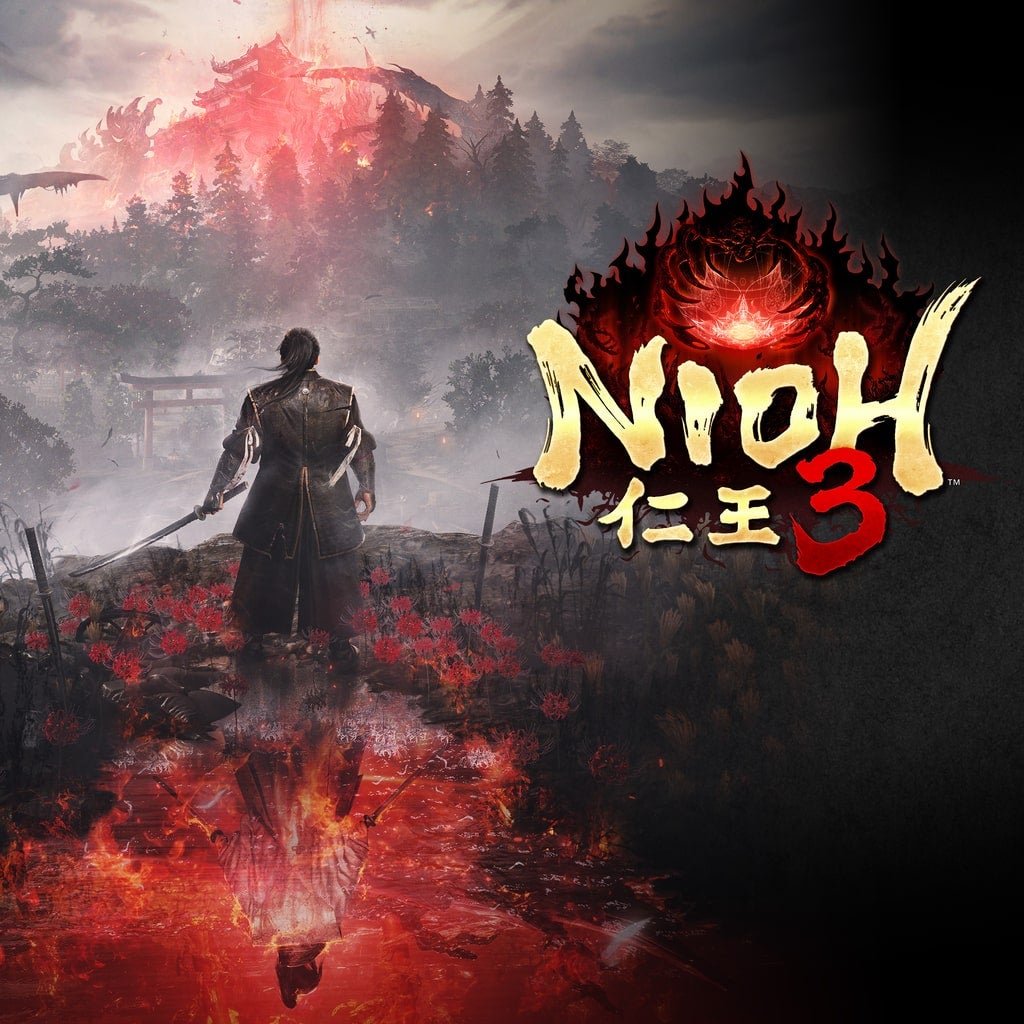
Few modern action RPG series inspire the mixture of excitement and dread that Nioh does. Team Ninja’s brutal blend of historical fantasy, lightning-fast combat, and soul-crushing difficulty carved its own identity separate from the Souls lineage it was often compared to. With Nioh 3, the studio attempts its boldest step yet—expanding the formula into a semi-open world while preserving the razor-edged precision fans expect. The result is a fierce, sometimes overwhelming sequel that both honors its roots and dares to evolve them.
A Darker Japan, Now Without Walls
Previous entries structured their journeys through discrete missions. Nioh 3 tears down those borders, introducing a sprawling “open field” where cursed villages, forgotten shrines, and yokai-infested forests bleed naturally into one another. Exploration is freer, more dangerous, and far more atmospheric. You no longer choose a level from a menu—you walk into it, often without knowing what horror waits beyond the next torii gate.
This shift changes the series’ rhythm dramatically. The tension that once lived inside carefully crafted arenas now permeates entire regions. Wandering at dusk through rice paddies while distant drums echo feels less like a video game and more like stepping into a hostile folktale. The mysterious phenomenon known as the Crucible—a creeping spiritual blight—acts as both narrative anchor and mechanical threat, warping areas into nightmarish versions of themselves.
Team Ninja deserves credit: the world feels hand-authored rather than procedurally stitched. Shortcuts loop back cleverly, landmarks guide navigation, and environmental storytelling hints at tragedies long past.
Two Souls, One Warrior
Combat remains the beating heart, and here Nioh 3 sings. The headline addition is the instant switch between Samurai and Ninja styles. Samurai Style emphasizes deliberate strikes, posture breaking, and mastery of traditional weapons; Ninja Style focuses on agility, stealth tools, and supernatural techniques.
Unlike many stance systems, this switch is truly seamless. Mid-combo you can transform from a grounded katana duel into a flurry of shuriken, vanish behind an enemy, and finish with a iai draw. The fluidity feels revelatory, encouraging creativity rather than rote optimization.
Weapon variety is staggering: returning favorites like odachi and kusarigama sit beside new chains, war fans, and yokai-infused armaments. Ki management remains central—overextend and you’re punished brutally—but new recovery mechanics tied to the Crucible add tactical wrinkles.
Boss design is classic Team Ninja: grotesque, elegant, and occasionally cruel. Each encounter demands study, patience, and nerves of steel. Victory feels earned in your bones.
The Crucible and Character
Narratively, Nioh 3 leans deeper into myth while grounding itself in fractured history. The Crucible corrupts both humans and spirits, blurring lines between monster and victim. Side stories found through exploration give faces to the suffering, elevating stakes beyond mere loot.
The protagonist—customizable as ever—feels more present thanks to improved voice direction and companion quests. Allies can accompany you dynamically in the field, creating moments of camaraderie rare in such a bleak series.
Progression systems are gloriously dense: skill trees for both styles, spirit guardians, yokai cores, blacksmith crafting, and an avalanche of gear affixes. It borders on intimidating, yet veterans will relish the depth.
Beauty in Brutality
Visually, the game is striking. Moonlit bamboo groves sway realistically, armor clatters with weight, and yokai designs remain some of the best in the genre—equal parts grotesque and tragic. Performance modes prioritize smooth 60fps combat, essential for the precision required.
Sound design deserves equal praise. The clang of steel, wet squelch of demonic flesh, and haunting biwa melodies create an oppressive soundscape. Japanese voice acting is superb; English localization is solid if slightly theatrical.
Where the Blade Dulls
Ambition brings issues. The open structure, while immersive, occasionally dilutes pacing. Some regions feel stretched with repeated enemy camps, and difficulty spikes can be vicious if you wander “out of intended order.” Fast travel mitigates frustration but doesn’t erase it.
Loot remains overwhelming. Inventory management becomes a meta-game of its own, and newcomers may drown in statistics before understanding fundamentals. Co-op features are improved yet still fussier than modern standards.
Storytelling, though richer, sometimes hides crucial context behind optional logs. Those seeking clarity may feel lost amid spiritual jargon.
For the Faithful, and the Fearless
Nioh 3 is not a gentle onboarding point. It expects commitment, learning, and a tolerance for failure. But for players willing to meet it halfway, the game offers unmatched mastery. Few action RPGs deliver such expressive combat where personal style truly matters.
Compared with its predecessors, this entry feels like the series growing up—riskier, messier, but more alive.
Final Verdict
Nioh 3 expands the dark samurai saga into thrilling new territory without sacrificing the lethal precision that defines it. The open field and dual-style combat refresh the formula, even if complexity occasionally overwhelms. A brutal, beautiful evolution worthy of the series’ fearsome legacy.