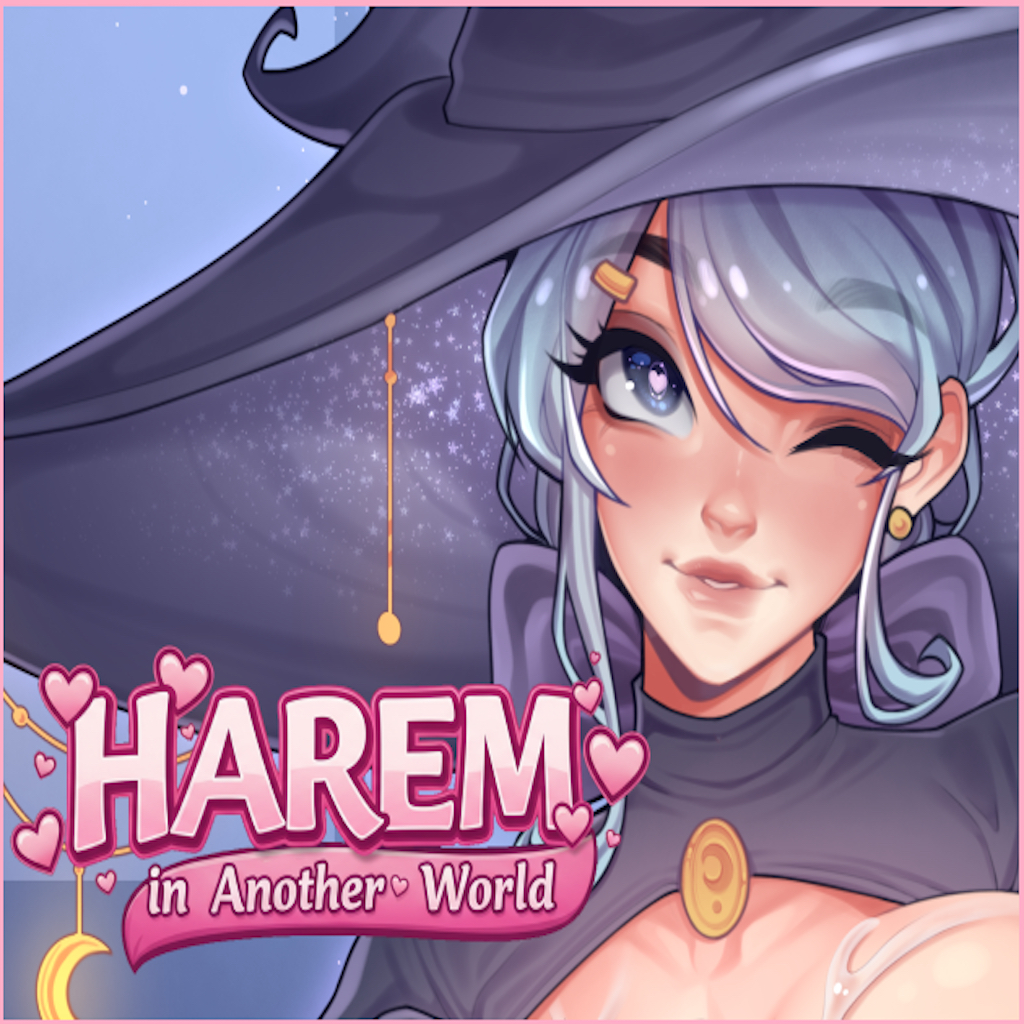
The “isekai” fantasy has become one of gaming’s most recognizable setups: an ordinary person is whisked away to a strange realm filled with monsters, magic, and opportunity. Harem in Another World takes that familiar premise and blends it with adult-themed adventure mechanics, creating a title that sits somewhere between light-hearted RPG, dating sim, and open-world collector. It’s a game that knows exactly what it wants to be—cheeky, playful, and indulgent—and rarely pretends otherwise.
A Familiar Story with a Knowing Wink
You begin as an unapologetically average protagonist—self-described as a “normal everyday pervert”—who is abruptly transported to a fantasy land. The main objective is simple: explore this new world, locate your missing friends, and figure out what mysterious evil threatens the realm. The narrative is intentionally tongue-in-cheek, poking fun at genre clichés while embracing them at the same time.
What keeps the story engaging is its relaxed tone. Rather than pushing a grim, high-stakes epic, the game treats its plot as a framework for exploration and character encounters. The looming darkness in the background provides direction, but players are free to ignore it in favor of building a castle, recruiting companions, or diving into side activities. That freedom defines much of the experience.
Gameplay: Exploration First, Indulgence Second
At its core, Harem in Another World is an open-world adventure RPG. You wander through varied landscapes—forests, villages, dungeons—encountering monsters and eccentric characters along the way. Combat is straightforward and accessible, designed more as a light obstacle than a punishing challenge. Battles reward you with resources used to upgrade your base and unlock customization options.
Where the game differentiates itself is in its social systems. Nearly every character you meet can become part of your growing entourage, from fantasy staples like goblins and giants to more unusual supernatural figures. Recruiting them involves quests, dialogue choices, and occasional minigames. These diversions—such as simple puzzles or timing challenges—break up the exploration nicely and provide a sense of progression beyond combat.
Base building adds another layer. Your castle starts as a modest hub but gradually expands with new rooms, decorations, and facilities. Improving it unlocks additional interactions and outfits for your party, giving players tangible goals outside the main storyline. It’s a loop that proves surprisingly addictive: explore, gather, upgrade, repeat.
Presentation and Art Direction
One of the title’s strongest elements is its hand-drawn artwork. Characters are expressive and varied, avoiding the copy-paste feel that sometimes plagues smaller adult games. The developers clearly invested in creating distinct silhouettes and personalities—tall, small, confident, shy, mischievous—so each new companion feels like more than just another collectible.
The game boasts over 70 scenes and 150 animations, and while the content is obviously aimed at mature audiences, the visual style leans more playful than explicit. Custom sprites, animated menus, and lively UI touches give the whole package a cohesive identity. It doesn’t look like a rushed asset flip; it looks like a passion project with a specific audience in mind.
Music and sound design are serviceable if not spectacular. Fantasy-themed tracks accompany exploration, and effects during combat and events get the job done. Voice acting is limited, but text dialogue is snappy and often genuinely funny, leaning into absurd situations with confidence.
Characters: The Real Driving Force
The cast is the main reason many players will stick around. Each recruitable character has a small arc, personal quirks, and preferences that influence interactions. Some are playful, others demanding, and a few surprisingly heartfelt. The writing occasionally dips into predictable fan-service tropes, yet there are moments of sincerity when the game remembers it’s also about friendship and belonging in an unfamiliar world.
This balance is important. If the characters were shallow caricatures, the experience would feel hollow. Instead, the developers give them just enough personality to make collecting outfits and decorating rooms feel like part of a larger relationship simulator rather than a checklist.
Where the Game Stumbles
Despite its charm, Harem in Another World isn’t without issues. The open world can feel sparse, with long stretches of travel between meaningful events. Quest design sometimes falls back on fetch-task padding, and combat lacks depth for players seeking a more tactical RPG experience.
Performance is generally stable, but menus can be clunky, and navigation isn’t always intuitive. New players may also find the progression systems a little opaque—knowing which activities best advance the story isn’t always clear.
Finally, the tone won’t be for everyone. The protagonist’s intentionally crude perspective and the game’s overt focus on building a “harem” will either be part of the fun or an immediate turn-off depending on player taste.
Final Thoughts
Harem in Another World succeeds by committing fully to its identity. It doesn’t pretend to be a grand epic or a complex strategy game; it aims to be a relaxed, humorous fantasy sandbox with adult flavor and a heavy emphasis on collection and customization. Within those goals, it delivers a surprisingly polished experience.
Players looking for a serious RPG may find it shallow, but those who enjoy casual exploration, character collecting, and a mischievous sense of humor will discover dozens of hours of content to enjoy. The combination of hand-drawn art, plentiful animations, and a flexible open world makes it one of the more substantial entries in its niche.