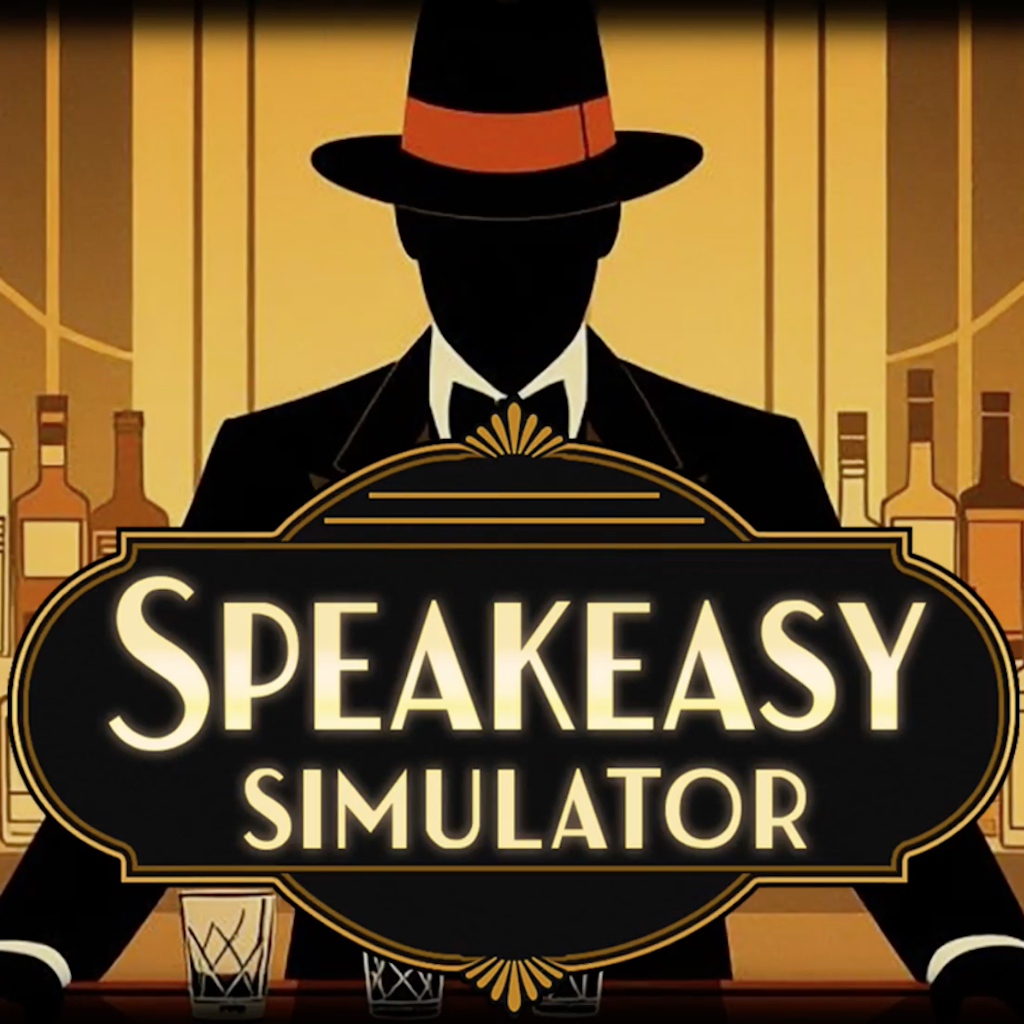
In recent years, simulation games have leapt far beyond the simple “build and manage” framework, embracing narrative, character, and atmosphere as equally compelling pillars. Speakeasy Simulator sits comfortably among that evolution. It doesn’t just ask you to balance numbers — it asks you to curate a space, cultivate clientele, and navigate social tensions in a unique slice of history: America’s Prohibition era.
Here, your goal isn’t simply profit — it’s reputation, ambiance, and survival. Running a speakeasy in the 1920s isn’t like managing a coffee shop or theme park. You’re operating in the grey spaces of legality, negotiating with patrons and gangsters alike, and striking a delicate balance between safety and spectacle.
And in many ways, Speakeasy Simulator does that balance quite well.
Setting the Scene: Prohibition Era Made Tangible
Speakeasy Simulator throws you into a beautifully rendered 1920s world where jazz rings out, dim lights flicker over polished wood, and shadows hide as much as they reveal. The game opens with you inheriting — or perhaps daring to open — an illicit bar in a bustling city under the grip of Prohibition.
The setting is immersive and detailed. Patrons talk in sharp, period‑specific dialogue. Ambience feels alive: a trumpet riff here, murmured negotiations there, the clink of glasses and the hum of cigarette smoke lingering in the air. It’s a world that feels lived‑in, and that sensory richness draws you in from the start.
But beyond atmosphere, there’s real substance here — systems that give weight and consequence to your decisions.
Running the Speakeasy: Mechanics & Management
At its core, Speakeasy Simulator is a management game. Key mechanics include:
- Layout & Design
You don’t just open a bar; you build it. Placement of tables, decor, jazz stage, back rooms, and hidden entries all factor into customer flow, safety scores, and profitability. A well‑designed speakeasy feels balanced, atmospheric, and efficient — and crafting one becomes a satisfying strategic puzzle. - Customer Management
Patrons aren’t numbers on a chart. Each has preferences, social networks, and temperaments. Wealthy guests want exclusive seating and premium drinks. Rougher crowds demand cheap thrills. Some are valuable for influence; others are bad news waiting to happen.
Catering to diverse tastes means balancing drink quality, pricing, and seating strategy. Ignore a certain class of customer and they don’t just leave — they tell friends, affecting your reputation. Word‑of‑mouth matters here.
- Staff & Roles
Hiring bartenders, security, waitstaff, jazz musicians, and even bootleggers becomes an important part of expansion. Each staff member has strengths and quirks. A great musician boosts morale and attracts higher‑tier customers. A competent bouncer keeps troublemakers at bay. Assigning the right people to the right shifts can make or break a night. - Economics & Risk
Profits aren’t guaranteed. Supplies cost money — and, under Prohibition, acquiring alcohol isn’t as simple as placing an order. Smuggling networks, shady suppliers, and occasional inspections add complexity. If you play it too safe, you risk stagnation. Take too many risks, and you could face raids, fines, or worse.
In short, Speakeasy Simulator uses its historical setting not just as flavour, but as a framework for tension and decision making.
Narrative Layers & Character Interaction
What elevates Speakeasy Simulator beyond a bare management sim is its narrative depth. Characters matter. Regular patrons cultivate relationships with your business; legendary musicians may walk in and transform a night’s fortunes; gang leaders might press you for protection money or silent compliance.
Dialogue is well‑written and evokes the era without feeling forced. Interactions aren’t just about completing objectives — they reveal bits of story, personality, and the larger social tensions of the time.
The narrative isn’t overt or heavy‑handed; it’s woven through interactions and consequences. There’s a sense of narrative momentum, but the flow respects player choice. You can chase personal goals, focus on business growth, or balance both.
Aesthetic & Audio — A Nightclub Feel
The visual design leans into mood and ambiance. Dim lighting, rich textures, and art deco stylings evoke the spirit of the ’20s without overwhelming with unnecessary detail. Characters are expressive, environments are fluid, and subtle visual flourishes — like steam rising from glasses or the soft glow of neon — enhance immersion.
But it’s the audio design that truly steals scenes. Lively jazz sets the tone, with live band tracks that feel contextually appropriate. Background chatter, laughter, clinking glasses, and ambient city noise create a soundscape that feels rooted in a bustling nightlife. The music isn’t just background — it feels like part of the identity of your speakeasy.
Combined, the audio and visual design build a space that feels like your bar — a place with personality, rhythm, and life.
Strengths
Immersive Setting:
The Prohibition era is evocatively realised — both visually and audibly.
Deep Management Systems:
From layout to staff hiring to customer preferences, there’s genuine strategic depth.
Meaningful Narrative:
Character interactions and loose narrative threads add context and life to simulation loops.
Persona‑Driven Environment:
The speakeasy feels like a place you shape, not just a business you manage.
Replayability:
Different city districts, staff combinations, and risk approaches make multiple playthroughs rewarding.
Weaknesses
Pacing Issues:
Early pacing can feel slow as systems gradually open up, which may frustrate players looking for immediate action.
Repetition Over Time:
Later hours can feel cyclical if you focus too narrowly on profit without engaging with risk or narrative threads.
Limited Customisation Options:
While layout design is satisfying, deeper aesthetic customisation (e.g., decor variety) feels limited compared to some management peers.
Overall Experience
Speakeasy Simulator is an elegant balance of ambience, strategy, and narrative warmth. It’s a game that feels like a 1920s speakeasy — not just in visuals and audio, but in structure and consequence.
This is a title that rewards patience and curiosity. It’s not about fast action or flashy spectacle. It’s about subtle control, nuanced decision‑making, and creating a space that patrons want to visit.
There’s a satisfying rhythm to building your bar’s reputation, managing its delights and risks, and watching the city’s underground nightlife evolve around your choices.
In a genre where countless titles ask you to manage businesses, empires, or factories, Speakeasy Simulator asks a more refined question: can you manage an experience? Not just profit margins, but atmosphere, character, and risk?
In most respects, it succeeds.
Final Verdict
Speakeasy Simulator is a rich, atmospheric management title that expertly blends historical setting with tight simulation mechanics and compelling character interaction. While its pacing and repetition may not suit every player, those who enjoy deep systems and evocative worlds will find plenty to savour here — a game that makes you feel the smoky buzz of Prohibition nightlife and the weight of every decision made in its dimly lit corners.