Few visual novels carry the quiet, reverent legacy that AIR does. Originally released by Key in 2000, the studio that would later go on to define the emotional DNA of the genre with Clannad, Kanon, and Little Busters!, AIR is often cited as one of the foundational pillars of modern nakige — the “crying game” subgenre of visual novels. Now, more than two decades later, AIR arrives on Nintendo Switch, offering both longtime fans and newcomers a chance to experience a story that helped shape an entire genre.
But nostalgia can be a dangerous thing. The question is not whether AIR was important. It’s whether AIR still works.
The answer is: yes — but in ways that are very different from modern expectations.
A Story Carried on the Wind
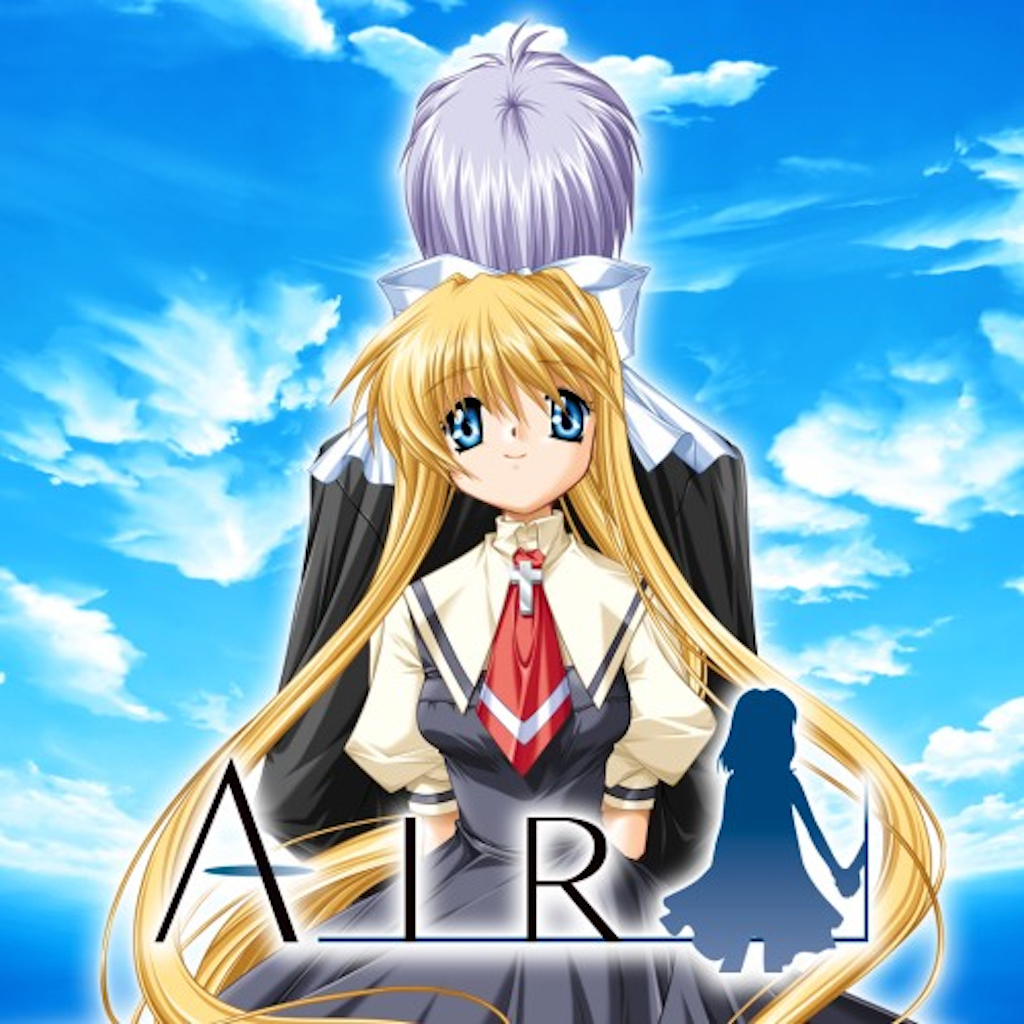
You play as Yukito Kunisaki, a wandering puppeteer searching for the “girl in the sky,” a legend passed down through his family for generations. His journey leads him to a quiet seaside town where he meets three girls — Misuzu, Kano, and Minagi — each carrying emotional scars and strange, supernatural undertones tied to the town’s past.
At its heart, AIR is a story about loneliness, memory, and the passage of time. It is less concerned with plot momentum and more with emotional atmosphere. Scenes linger. Conversations meander. Silence is used deliberately. The pacing is glindingly slow by modern standards, but that slowness is purposeful. The game wants you to sit with its characters, absorb their quirks, their sadness, and their gentle absurdities.
This is where AIR shows its age and its strength simultaneously.
Modern visual novels tend to be tightly structured. AIR is not. Entire in-game days pass where little seems to happen beyond mundane chatter and slice-of-life banter. Yet this slow burn is what allows the emotional crescendos to hit with surprising force later. When tragedy, revelation, and supernatural threads begin to weave together, the groundwork has been carefully — almost painstakingly — laid.
If you’re expecting constant narrative hooks, AIR will test your patience. If you allow yourself to sink into its rhythm, it becomes hypnotic.
Misuzu and the Emotional Core
Of the three heroines, Misuzu Kamio is unquestionably the heart of AIR. Cheerful, awkward, and slightly odd, she hides a profound loneliness behind her smile. Her route is the most emotionally resonant and serves as the gateway into the deeper mythology of the game.
Her relationship with Yukito evolves slowly and naturally, built on small moments rather than dramatic declarations. Their conversations often feel aimless, yet they create a sense of familiarity that makes later developments devastatingly effective.
This is classic Key writing — emotional payoff earned through time investment rather than spectacle.
Kano and Minagi’s routes, while compelling in their own right, feel more like thematic stepping stones toward the grander narrative rather than standalone arcs. They explore memory, identity, and grief in ways that echo through the final act of the game, where AIR shifts perspective and reveals its true scope.
The Legendary “AIR” Route
Without spoiling anything, AIR is famous for its final act, which recontextualises much of what came before. The narrative leaps through time, perspective, and even form, creating a haunting sense of inevitability. This section is where the supernatural elements fully crystallise, and the emotional weight becomes almost overwhelming.
Even by today’s standards, this part of the game is strikingly bold in structure. It feels less like a visual novel and more like an interactive piece of literature.
It’s here that AIR proves why it’s still discussed decades later.
Presentation: A Time Capsule
Visually, AIR is unmistakably a product of its era. Character sprites, backgrounds, and UI elements have been cleaned up for modern displays, but the aesthetic remains early-2000s anime through and through. Large eyes, soft colour palettes, and static backgrounds dominate the experience.
Rather than feeling outdated, though, it feels nostalgic — like opening an old storybook.
The soundtrack by Shinji Orito and Jun Maeda remains exceptional. The main theme, “Tori no Uta,” is iconic for a reason. The music does much of the emotional heavy lifting, creating an atmosphere of melancholy warmth that permeates the entire game.
Voice acting is excellent, and the Switch version benefits from clean text rendering and comfortable handheld play, which suits the contemplative nature of the experience.
Pacing and Player Expectations
This is where AIR may lose some players.
The game is extremely slow. There are long stretches with minimal interaction, minimal plot progression, and extended dialogue sequences that seem trivial at first glance. Save for occasional branching choices, this is a largely passive experience.
Modern players accustomed to fast-paced storytelling or frequent gameplay mechanics may find themselves frustrated.
But AIR isn’t trying to entertain you moment-to-moment. It’s trying to immerse you emotionally over dozens of hours. It demands patience and rewards it with one of the most memorable emotional journeys in the genre.
Themes That Still Resonate
Despite its age, AIR tackles themes that remain timeless: abandonment, parental love, destiny, reincarnation, and the burden of memory. The game explores these ideas with surprising subtlety, often through metaphor and atmosphere rather than direct exposition.
It’s a story about people who feel disconnected from the world, trying to find meaning in fleeting connections. That emotional core feels as relevant now as it did in 2000.
Is AIR Still Worth Playing?
If you’re a fan of visual novels, especially those from Key, AIR is essential reading. It’s the blueprint from which many later masterpieces were built.
If you’re new to the genre, AIR may feel archaic in structure and pacing, but it offers a unique glimpse into the roots of emotional visual storytelling.
This is not a game for everyone. It is slow, deliberate, and emotionally heavy. But for those willing to meet it on its terms, it delivers an unforgettable experience.
AIR is not just a visual novel. It’s a piece of genre history that still has the power to move you.
Verdict
AIR shows its age in pacing and structure, but its emotional storytelling, unforgettable music, and bold narrative design remain powerful even today. It’s a quiet, reflective experience that rewards patience with one of the most poignant stories in visual novel history.
For the right player, it’s not just good — it’s unforgettable.