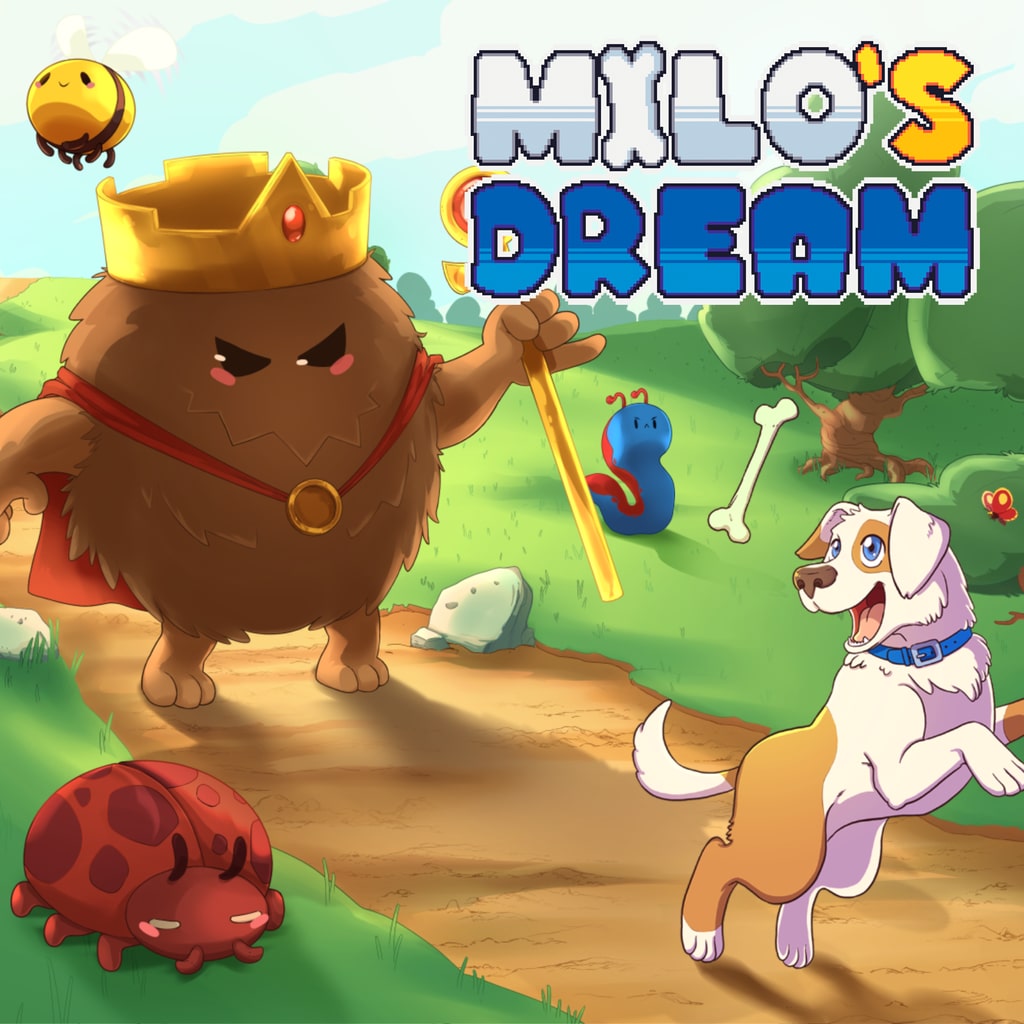
In an industry dominated by imposing heroes, sprawling open worlds, and combat-heavy gameplay, there’s something quietly refreshing about games that choose to be gentle, introspective, and unfussy. Milo’s Dream is one such title — a narrative-driven adventure that aims to blend relaxed exploration with light puzzle elements, wrapped in a story about self-discovery, wonder, and the beauty of quiet moments. It’s a game that doesn’t roar for attention, but rather whispers its intentions — often beautifully, sometimes frustratingly.
At its heart, Milo’s Dream is an evocative experience built on atmosphere and emotion. It’s not trying to compete with blockbuster epics or adopt the mechanical complexity of AAA titles; instead, it stakes its claim in the ever-growing field of thoughtful, low-stress adventure games. The question is whether its simplicity is a strength that enhances immersion, or a limitation that undercuts long-term engagement. The answer — like many aspects of Milo’s Dream — is layered and nuanced.
A Quiet Story with Heart
Milo’s Dream begins with its titular character in a place of internal stagnation. A contemplative young protagonist, Milo finds himself trapped in the mundanity of daily life, weighed down by the repetitive routines that define his existence. That changes when the game blurs waking life and the world of dreams, offering Milo — and through him, the player — a chance to explore lush landscapes, surreal vistas, and emotionally charged vignettes.
The narrative unfolds at a comfortable, patient pace. There are no cutscene epics or plot twists designed to shock. Instead, the story is told through environment, interaction, and subtle character moments. A brief conversation here, a symbolic sequence there — all of it encourages reflection and interpretation rather than clear-cut exposition.
This storytelling style won’t be for everyone. Players who prefer tightly plotted narratives or dramatic pacing might find it slow or intangible. But for those willing to immerse themselves in atmosphere and thematic nuance, Milo’s Dream offers a genuinely heartfelt journey about navigating inner life, growth, and the beauty found in unexpected places.
Gameplay: Gentle Exploration and Puzzles
Milo’s Dream is primarily an exploration game, punctuated by light puzzles that never overwhelm. Movement is smooth and intuitive, allowing you to wander dreamscapes at your own pace. Environments are handcrafted with care, each area evoking its own mood — from serene forests to strange, floating realms that feel pulled from the edges of imagination.
The puzzles are uncomplicated but thoughtfully integrated. They rarely interrupt the flow of exploration; instead, they feel like meaningful challenges that fit their surroundings. Most involve simple item-based logic or environmental interactions that require you to observe your surroundings and think a few steps ahead. Importantly, the difficulty never spikes suddenly — there are no cruel bottlenecks or brain-burning barriers that punish curiosity.
However, some players may find the puzzle variety limited. While creatively designed, many of the challenges follow similar principles and rarely escalate into truly ingenious territory. If your ideal adventure game hinges on clever mechanical twists and constantly evolving systems, Milo’s Dream may feel tame in comparison.
Visual Presentation: Dreamscapes with Soul
One of Milo’s Dream’s strongest assets is its aesthetic. The visual style feels inspired by storybook art and dreamy animation, blending gentle colours with surreal elements that perfectly reflect the game’s thematic focus on introspection and wonder. Landscapes shift subtly with mood, lighting, and rhythm, creating environments that feel alive even when they’re quiet.
Character design is minimalist yet expressive, favouring simple shapes and motion over detailed models, which works well within the game’s context. Milo himself is a supple, expressive figure, his movements and demeanour mirroring the emotional beats of the narrative.
The dream worlds are where the game truly shines. These areas fluctuate between the whimsical and the profoundly symbolic, drawing players into their surreal beauty. Each section feels lovingly crafted with attention to detail and visual language, inviting exploration without pushing it.
That said, the aesthetic choices aren’t universally appealing. If you prefer photo-realistic visuals or highly polished, complex graphical effects, Milo’s Dream’s dreamy, storybook style might feel underwhelming. But for fans of artistic games that use visual poetry to communicate mood, there’s much to admire here.
Sound and Music: A Soft Backdrop
Complementing the visuals is a soft and evocative soundtrack. Music in Milo’s Dream rarely intrudes; instead, it surfaces gently, reinforcing emotional beats and atmospheres without ever humming aggressively in the background. There’s a simplicity to the sound design that echoes the game’s overall philosophy: let the environment breathe, and let the player fill in the spaces.
Ambient sounds — rustling leaves, distant echoes, footfalls — play a significant role in grounding the world. Combined with understated musical cues, these audio elements elevate the sense of place and enhance immersion. Although not orchestral or bombastic, the soundtrack’s restraint is intentional and fitting.
For players who value soundscapes that augment mood rather than distract, this design is a strength. Those who prefer dynamic, layered compositions may wish for more variety in audio themes.
Accessibility and Approachability
One of Milo’s Dream’s defining traits is its accessibility. The game’s controls are intuitive, its pace relaxed, and its challenges gentle — everything seems designed to make the experience welcoming, even to players who don’t usually gravitate toward adventure games. There’s no punishing combat, no complex skill trees, and no steep learning curves.
This accessibility is a double-edged sword: it makes the game approachable for a wide audience, including younger or more casual players, but it also means that players craving adrenaline, tension, or mechanical depth might find their expectations unmet.
Who Is Milo’s Dream For?
Milo’s Dream will speak most strongly to players who enjoy story-driven exploration games, thoughtful ambience, and reflective pacing. It rewards patience and attentive observation rather than quick reflexes or strategic mastery.
If you appreciate games that act as emotional experiences — journeys that are felt rather than conquered — Milo’s Dream has a lot to offer. Players seeking intense action, deep systems, or cinematic spectacle may not find what they’re looking for here.
Final Verdict
Milo’s Dream is a gentle, thoughtful adventure wrapped in a visually evocative and emotionally resonant package. Its strength lies not in grand mechanics or adrenaline-fuelled moments, but in its ability to evoke curiosity, introspection, and quiet delight. While its puzzle variety and narrative pacing aren’t ambitious by genre-leading standards, the experience as a whole is coherent, heartfelt, and artfully presented.
For players ready to slow down and appreciate subtle storytelling and atmosphere, this is a dream worth entering.