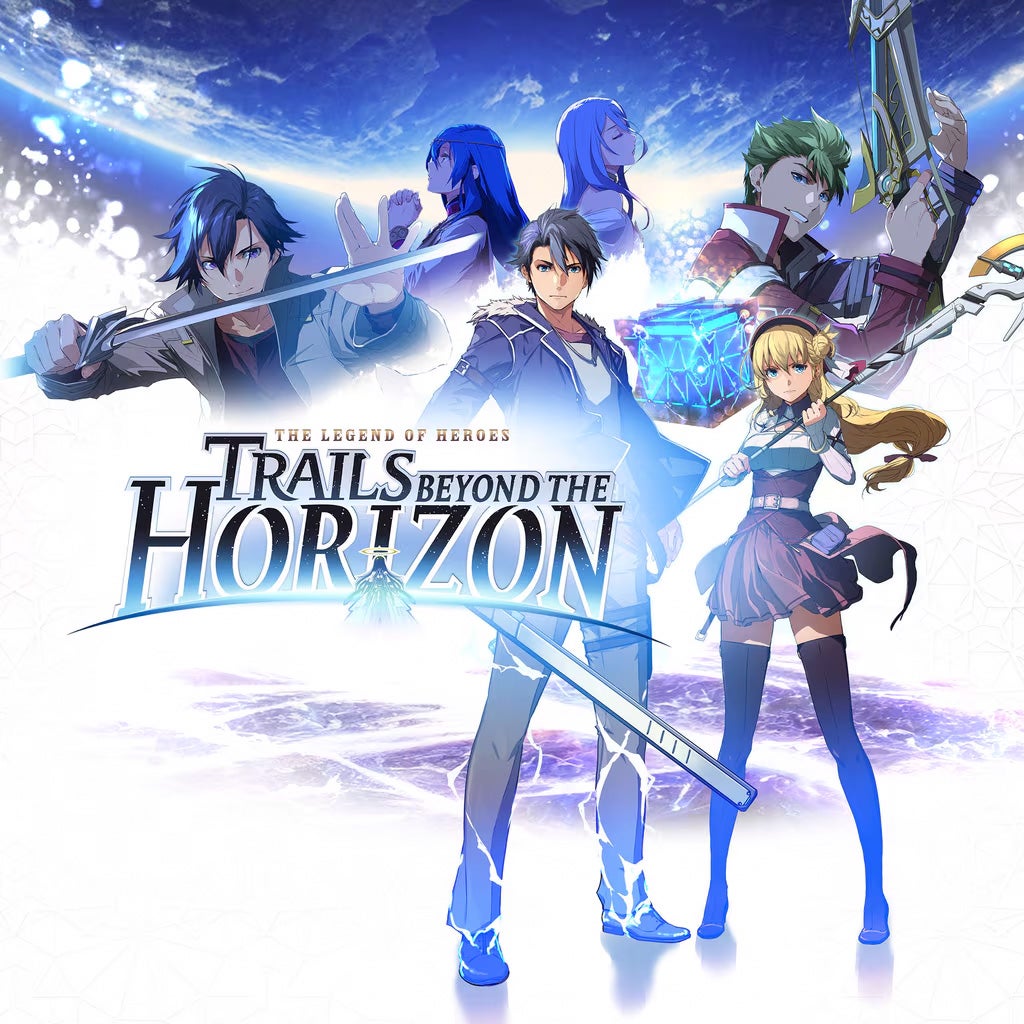
Few JRPG series command the level of devotion and narrative depth that The Legend of Heroes franchise does, and Trails Beyond the Horizon stands as one of its most defining early entries. What could easily have been a straightforward fantasy role-playing game instead blossoms into a sprawling saga of political intrigue, personal relationships, and meticulous worldbuilding that rewards patience, observation, and emotional investment.
Long before sweeping, cinematic RPGs became fashionable, Trails Beyond the Horizon carved its own niche by combining traditional turn-based combat with a narrative density that rivals some of the best storytelling in games. Its reputation isn’t built on spectacle alone; it’s constructed through careful, layered writing, a rich cast of characters, and an overarching world that feels lived in rather than assembled.
This is a JRPG that doesn’t rush — and its strengths, as well as its weaknesses, derive directly from that choice.
Story and Themes: The Heart of the Horizon
At its core, Trails Beyond the Horizon is a story about journey and discovery — not just across the physical landscape of its world, but within the hearts and minds of its characters. It follows a band of protagonists brought together by circumstance and fate, each carrying their own motivations, secrets, and emotional baggage.
The narrative unfolds with a patience rarely seen in contemporary RPGs. Dialogue isn’t a means to an end; it is the end. Long conversations, character interactions, and even brief exchanges with side characters all contribute to a deeper understanding of the political, historical, and social forces shaping the world.
Rather than heavy handed exposition dumps, the story grows organically. You learn about factions, shifting alliances, and cultural tensions not through lore scrolls or cutscene monologues, but through meaningful engagement with the inhabitants of the world. Every town, every NPC with a name, feels like a thread in a much larger tapestry.
While this level of depth is deeply rewarding for players who enjoy story-driven RPGs, it does come with trade-offs. The pacing is deliberately unhurried; players seeking brisk, action-oriented narratives may find the initial hours slow or overly verbose.
But for those who invest the time, the payoff is a narrative that feels earned — a story that respects your intelligence and invites you to care about both the fate of the world and the personal arcs of its heroes.
Worldbuilding: A Living, Breathing Setting
If story is the heart of Trails Beyond the Horizon, then worldbuilding is its soul. The game’s setting — a continent torn between tradition and progress — feels like an entire universe compressed into a map, complete with detailed political entities, religious structures, and overlapping histories.
You’ll uncover:
- Noble houses with long legacies and fragile egos
- Merchant guilds wielding economic influence
- Hidden orders with cryptic agendas
- Everyday citizens struggling under the weight of change
FAQworld is populated by recurring NPCs who remember past interactions — a feature that seems small in description but enormous in impact. If you help a character early in the game, that ripple may be felt weeks later when you stumble upon them again with fresh dialogue reflecting your history together.
This remarkable consistency is one reason Trails Beyond the Horizon stands out. It doesn’t just tell a story about a world — it makes you feel like you inhabit that world.
Combat and Mechanics: Strategy With Substance
Combat in Trails Beyond the Horizon is classic turn-based JRPG fare with a twist: strategic positioning, skill interplay, and status nuance elevate battles beyond simple menu cycling.
Turn System and Tactics
Each encounter challenges you to think not only about what action to take — attack, spell, item, defend — but when and where. The battlefield isn’t just a backdrop; it’s an active participant. Elevation, range, and attack sequencing matter, particularly as enemy patterns become more elaborate late in the game.
Characters come equipped with diverse Arts (magical abilities), Crafts (special techniques), and supportive roles that encourage experimentation. Support roles like healing, crowd control, or battlefield buffs become just as vital as raw damage output.
Transitioning from early battles — where brute force suffices — to later clashes — where anticipatory strategy is required — is one of the game’s most satisfying curves.
Character Development and Band Dynamics
One of Trails Beyond the Horizon’s great strengths is its ensemble cast. Each character is distinct, not only in combat capabilities but in personality, motivations, and emotional arcs.
Rather than feeling like stock archetypes, companions grow over time. Friendships deepen. Trust is tested. Relationships even influence combat synergy, with certain combinations unlocking unique supports or bonus effects when tactical bonds are leveraged.
This degree of character investment turns every encounter — narrative or mechanical — into an opportunity for emotional resonance. You don’t just fight with these characters; you come to know them.
Presentation: Retro Charm With Lasting Warmth
Graphically, Trails Beyond the Horizon embraces a nostalgic pixel-art aesthetic that feels purposeful rather than dated. Characters are expressive in their sprite work; environments are richly detailed, with layers of texture that lend each town or field its own distinct flavour. It’s not a visual spectacle, but it’s undeniably cohesive — a world lovingly painted in thoughtful detail.
The soundtrack complements this visual warmth beautifully. Themes shift from tranquil village melodies to stirring battle compositions that reinforce the gravity of each chapter’s stakes. Music in this game isn’t background filler; it’s emotional architecture.
This kind of detail — in music, environment, movement, and voice — contributes to an atmosphere that’s calm, immersive, and persistent.
Pacing and Player Engagement
If there is one area where Trails Beyond the Horizon may test players’ patience, it’s in its deliberate pacing. The game takes its time to build narrative, explore character relationships, and expand its world. Quests often involve significant dialogue exchanges and multifaceted objectives, which can feel slow compared to modern action-oriented titles.
But the game’s pacing isn’t slow for lack of energy — it’s slow by design, encouraging you to absorb every nuance rather than rush toward completion.
For players who enjoy thoughtful engagement and narrative depth, this is a feature. For those who prioritise explosive action or rapid progression, the pace may feel too measured.
Final Verdict
Pros:
- Deep, character-driven narrative that rewards attention
- Meticulous worldbuilding that feels truly alive
- Evolving combat system with strategic depth
- Strong emotional engagement and memorable characters
- Rich audiovisual presentation with a timeless quality
Cons:
- Deliberate pacing that may not appeal to all
- Dense exposition early in the story can be demanding
- Less accessible for players unfamiliar with traditional JRPG conventions
Summary:
The Legend of Heroes: Trails Beyond the Horizon stands as one of the most heartfelt, meticulously constructed JRPG experiences in recent memory. Its commitment to storytelling, strategic combat, and world coherence marks it as a standout title for players who relish depth and narrative substance.
While its measured pacing and dialogue-rich structure won’t resonate with every taste, those who embrace its rhythms will discover a journey that lingers long after it ends — a world populated not just by quests, but by memories.