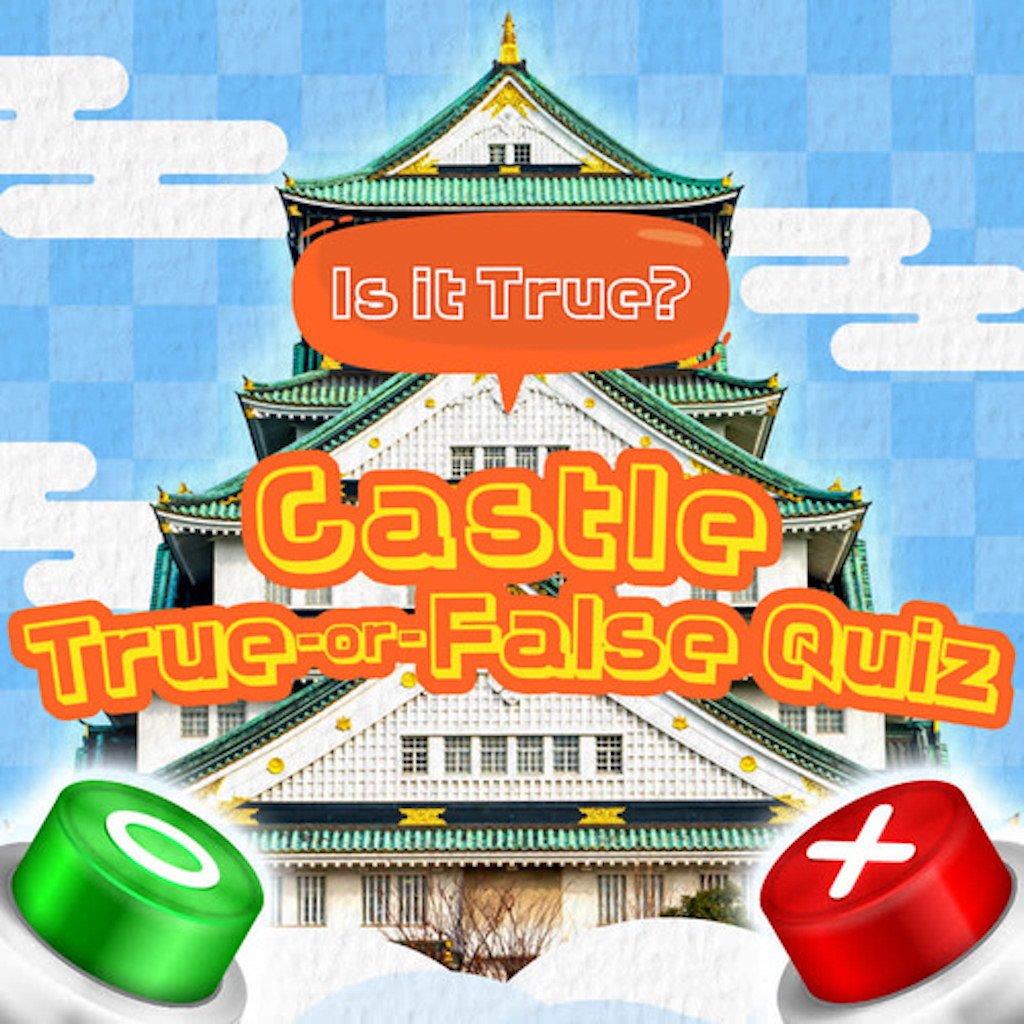
The quiz genre is one that often slips between larger categories — it’s not quite a party game, nor is it a serious simulation. Yet when done well, trivia games excel at uniting groups, challenging knowledge, and sparking spontaneous laughter or head-scratching moments. Is it True? Castle True-or-False Quiz stakes its claim in this space with a deceptively simple but consistently engaging premise: a castle full of trivia challenges where every question is a true-or-false test, and every correct answer helps you advance.
What sets this title apart isn’t just the trivia itself — it’s the presentation, pacing, and warm sense of discovery that keeps players invested long after the first few questions. While the formula is simplistic by design, the game manages to deliver a polished, enjoyable experience that’s ideal for social settings, casual solo sessions, or alternating turns with friends and family.
Core Gameplay Loop
At its heart, Is it True? Castle True-or-False Quiz is built around the classic true/false model: given a question, decide if the statement is correct or incorrect. That’s it. But what might seem like a barebones mechanic quickly grows into a compelling feedback loop thanks to excellent pacing, visual flair, and an evolving sense of progression.
How It Works
Each round presents a themed set of questions — history, pop culture, science, mythology, and yes, random castle trivia. Players have a limited time to select “True” or “False.” Correct answers earn points and help open new castle rooms; incorrect answers cost points and may introduce light penalties such as slight time reductions on future questions.
What makes this loop satisfying is the rhythm:
- A question flashes on-screen
- You decide your answer
- Immediate feedback reinforces your choice
- Progress unlocks both visually and mechanically
The quick feedback loop keeps energy high and encourages players to think swiftly without over-analyzing every question — exactly what a successful quiz formula should do.
Presentation and Visual Design
Is it True? Castle True-or-False Quiz has an aesthetic that perfectly matches its tone. Rather than sterile menus and bland colours, the game embraces a whimsical castle theme brimming with stylised rooms, animated characters, and playful visual cues that react to your performance.
- Rooms unlock visually as you progress, giving a clear sense of advancement
- Character animations reflect correct or incorrect responses with charm
- Background art is colourful and detailed, with each themed chamber uniquely illustrated
The result is a quiz game that feels like a little interactive story rather than just a list of screens and text. You’re not just answering questions; you’re exploring a castle full of knowledge and discovery.
Audio and Atmosphere
Audio design complements the visuals with light, upbeat music that reinforces the game’s playful spirit. Bouncy tunes underscore correct answers, while gentle failure chimes soften the sting of an incorrect choice. Ambient sounds — a distant horn, echoing footsteps, or fluttering banners — add depth without distracting from the core gameplay.
This subtle audio work creates atmosphere without overwhelming. Quiz games live and die by clarity; if audio were too busy or intrusive, it could pull focus from the question prompt. Castle True-or-False Quiz avoids that entirely.
Content Variety and Question Design
A quiz game is only as strong as its question bank, and the developers have clearly invested effort into providing content that feels broad and engaging.
Strengths in Question Variety
- Multiple categories: History, science, folklore, language oddities, and pop culture all get fair representation.
- Balance of difficulty: Early questions are intentionally accessible, but later rounds introduce subtler distinctions and surprising facts that even seasoned trivia fans might second-guess.
- Humour and surprises: Trivia isn’t dry — many questions are framed with a wink, using entertaining phrasing or factoids that prompt genuine curiosity.
However — and this is where hardcore trivia aficionados may feel limited — the true or false format inherently caps depth. You don’t get multi-part questions, free text answers, or graded complexity beyond binary choice. This keeps the experience clean and accessible, but it also means longevity relies on sheer volume of questions rather than evolving mechanics.
Pacing and Replayability
The pacing of Castle True-or-False Quiz is well calibrated. Each session flies by, with questions cycling briskly and little downtime between rounds. Time limits per question keep momentum high, and visual transitions between themed rooms add a sense of purpose.
Replayability is solid, though not boundless. The game includes:
- Multiple difficulty tiers: Easy, Standard, and Challenge modes
- Category selections: Sometimes allowing you to focus on themes you enjoy
- Randomised question order: Ensuring each session feels a bit different
These elements give the game life beyond the first playthrough. In practice, though, loyal players may begin to see repeats after dozens of sessions. While the breadth of questions is good, it isn’t infinite — meaning replay value depends on how much variety is packed into the question pool.
That said, if you’re playing socially or with groups, repetition is less noticeable. New players often encounter questions first, and collective guessing masks redundancy.
Accessibility and Controls
One of the game’s strongest points is how immediately accessible it feels. There’s zero learning curve: players need only understand “true” vs “false.” Menus are clean and responsive, controls are intuitive across both controllers and mouse/keyboard setups, and even younger players can participate without frustration.
For families or group settings where skill levels vary widely, this inclusivity is a major plus. There are no penalties beyond score for incorrect answers, so players feel encouraged to try rather than anxious about mistakes.
Social Play and Multiplayer Potential
While Castle True-or-False Quiz primarily positions itself as a solo puzzle title, it naturally lends itself to social play. Turn-based group competitions, party settings, or friendly wagers (“Who gets the least wrong?”) all work beautifully within its format.
That said, the game currently lacks true online multiplayer or competitive leaderboards — features that could have elevated its social footprint immensely. Local multiplayer remains the strongest draw here, and it’s effective, but in 2026 quiz fans are increasingly expecting robust online features as well.
Final Verdict
Pros:
- Accessible and engaging quiz mechanics
- Charming visuals and atmospheric presentation
- Strong question variety with humour and depth
- Great for casual play and social settings
- Balanced pacing and solid replay potential
Cons:
- Binary format limits depth compared to broader quiz systems
- Risk of question repetition over extended play
- No online multiplayer or global leaderboards
Summary:
Is it True? Castle True-or-False Quiz is exactly what it promises: a fun, friendly quiz game that turns the classic true-or-false format into an engaging, castle-themed romp. Its greatest strengths lie in accessibility, presentation, and pacing — making it ideal for short bursts of play, shared social sessions, or relaxed personal challenge.
While it doesn’t break new ground in game design, it refines a beloved formula with charm and polish. The lack of deeper trivia complexity and multiplayer features keeps it from being exceptional, but for its intended audience — casual players, families, and fans of light puzzle fare — it’s a delightful time.