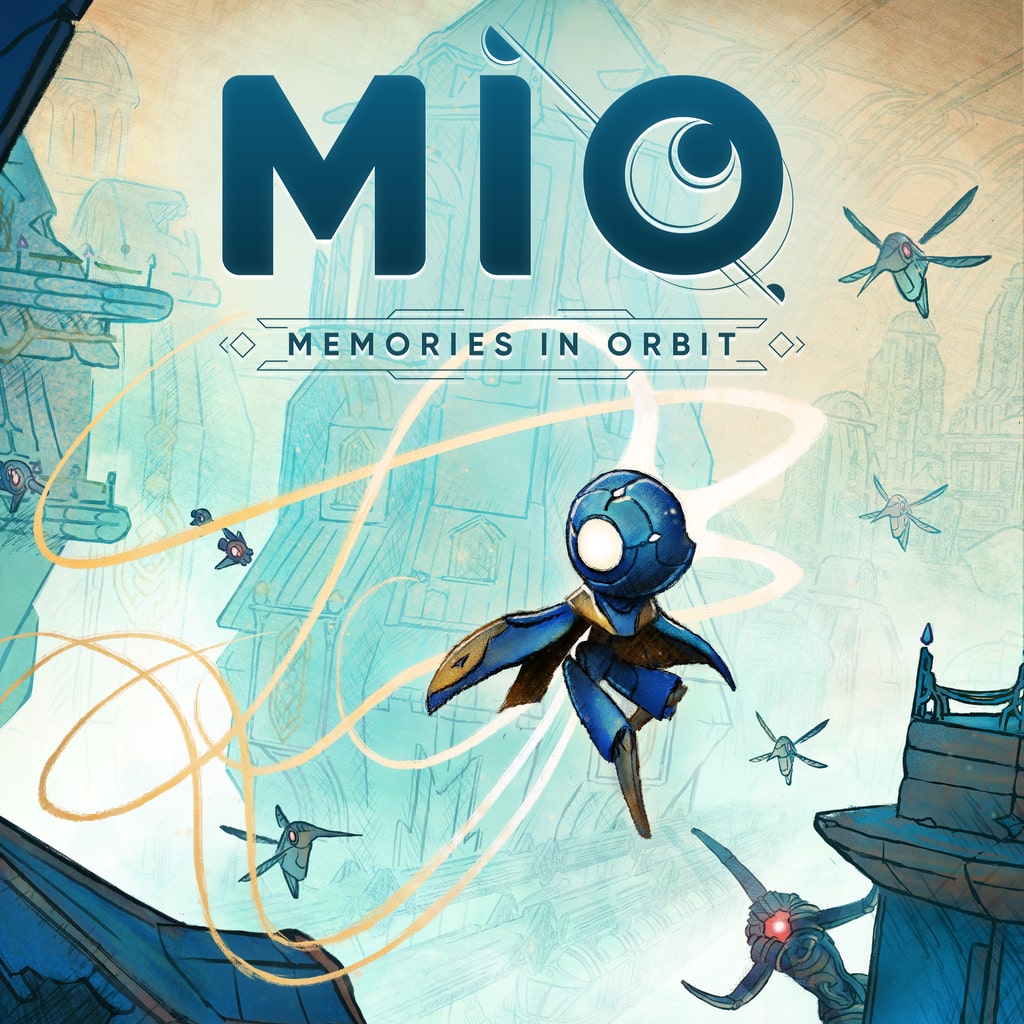
MIO: Memories in Orbit is the kind of game that immediately signals its intentions through atmosphere rather than exposition. From the moment players awaken inside a decaying orbital structure, surrounded by the quiet hum of abandoned machinery and the echoes of forgotten lives, it becomes clear that this is not a loud or hurried experience. Instead, MIO positions itself as a reflective, exploratory Metroidvania — one that prioritises mood, environmental storytelling, and mechanical finesse over spectacle.
In a genre crowded with excellent competitors, MIO: Memories in Orbit distinguishes itself not by reinventing the formula, but by refining it. Through fluid traversal, measured combat, and a striking audiovisual identity, the game crafts an experience that feels intimate and deliberate. While it occasionally stumbles in pacing and combat variety, its strengths far outweigh its shortcomings.
Narrative and Worldbuilding
At the heart of MIO: Memories in Orbit is a deeply introspective narrative. Players control MIO, a small android navigating a massive, derelict space station drifting through orbit. The station is no longer alive in the traditional sense, yet traces of its former inhabitants remain — fragmented memories, malfunctioning systems, and echoes of past purpose.
The story is told largely through environmental cues and collectible memory fragments rather than direct dialogue. This approach works remarkably well, encouraging players to piece together the station’s history at their own pace. Rather than spelling out every detail, the game trusts the player to engage actively with its world, which adds emotional weight to discovery.
Themes of loss, identity, and persistence permeate the experience. MIO’s journey feels less like a mission to “save the world” and more like an act of remembrance — preserving what remains of a place that has already accepted its end. It’s a subtle but powerful narrative framing that elevates the exploration beyond mechanical necessity.
Gameplay and Exploration
As a Metroidvania, MIO: Memories in Orbit excels most in its traversal and level design. The orbital station is intricately interconnected, with looping paths, hidden shortcuts, and layered verticality that reward careful exploration. Each new ability unlocks not only new areas but new ways of understanding previously visited spaces.
Movement feels exceptionally smooth. MIO’s jumps, dashes, wall climbs, and aerial manoeuvres flow together naturally, creating a sense of momentum that makes traversal consistently enjoyable. The game encourages mastery of movement, often presenting optional challenges or hidden areas that test the player’s understanding of the mechanics.
Exploration is never rushed. Save points and fast travel systems are placed thoughtfully, reducing frustration while still preserving tension during deeper expeditions. The map design is readable without being overly explicit, allowing players to chart their own paths without excessive hand-holding.
Combat and Difficulty
Combat in MIO: Memories in Orbit is precise but intentionally restrained. MIO’s combat toolkit expands gradually, introducing new abilities that complement traversal rather than overshadow it. Encounters emphasise positioning, timing, and awareness over raw aggression.
Enemy variety is solid, though not exceptional. Most foes fit clearly defined behavioural patterns, encouraging players to learn and adapt rather than brute-force encounters. Boss fights are a particular highlight, often blending movement challenges with combat mechanics in ways that feel thematic rather than arbitrary.
That said, combat occasionally lacks dynamism. While traversal mechanics feel liberating, some battles can feel rigid by comparison, especially during longer play sessions. Difficulty is generally well balanced, but certain spikes — particularly in later areas — may feel punishing to players less comfortable with precision movement.
Importantly, failure is rarely demoralising. Checkpoints are fair, load times are minimal, and the game avoids excessive penalties that might discourage experimentation.
Visual Design and Art Direction
Visually, MIO: Memories in Orbit is striking in its restraint. The art direction favours muted colours, soft lighting, and carefully composed environments that convey isolation and decay without becoming visually monotonous. The orbital station feels vast yet personal — a place that once thrived, now quietly drifting.
Character and enemy designs are clean and readable, ensuring clarity during fast-paced movement and combat. Subtle animation touches bring MIO to life, conveying emotion through body language rather than facial expression.
Environmental variety increases steadily as players progress, moving from sterile mechanical corridors to overgrown biomes and corrupted sectors. Each area maintains the game’s cohesive visual identity while offering enough contrast to keep exploration fresh.
Audio and Atmosphere
Sound design is one of the game’s greatest strengths. The soundtrack leans heavily into ambient and melodic compositions, reinforcing the game’s melancholic tone without overpowering the experience. Music often fades in and out organically, responding to location and narrative beats rather than dictating emotion outright.
Ambient sounds — distant machinery, electrical hums, and faint echoes — add depth to the station’s sense of abandonment. Combat and movement audio cues are crisp and informative, ensuring that players remain grounded in the action even during visually dense sequences.
Together, the audio and visuals create a cohesive atmosphere that lingers long after play sessions end.
Progression and Customisation
Progression in MIO: Memories in Orbit is handled through a combination of ability unlocks and modular upgrades. Players can tailor MIO’s capabilities to suit their preferred playstyle, whether focusing on mobility, survivability, or combat efficiency.
While the upgrade system isn’t overly complex, it offers enough flexibility to encourage experimentation. Hidden upgrades and optional challenges reward thorough exploration, reinforcing the game’s core loop of curiosity and discovery.
The absence of excessive grinding or resource management keeps the focus squarely on exploration and mastery, which suits the game’s tone perfectly.
Replayability and Longevity
MIO: Memories in Orbit is not designed as an endlessly replayable experience, but it offers meaningful longevity through optional content, hidden areas, and narrative interpretation. Completionists will find plenty to uncover, while more casual players can enjoy a focused, emotionally resonant journey without feeling overwhelmed.
Multiple endings or explicit branching paths are not a central focus, but the depth of environmental storytelling encourages reflection and discussion, giving the game lasting impact beyond a single playthrough.
Final Verdict
Pros:
- Elegant Metroidvania level design with fluid traversal
- Strong environmental storytelling and emotional tone
- Cohesive audiovisual presentation
- Thoughtful progression and exploration rewards
Cons:
- Combat can feel rigid compared to traversal
- Enemy variety is solid but limited
- Occasional difficulty spikes
Summary:
MIO: Memories in Orbit is a beautifully crafted Metroidvania that values atmosphere, movement, and narrative subtlety over bombast. Its smooth traversal, interconnected world design, and emotionally resonant storytelling make it a standout experience for fans of the genre. While its combat systems don’t always reach the same heights as its exploration, the overall experience is thoughtful, immersive, and memorable.
For players seeking a contemplative sci-fi adventure that rewards curiosity and patience, MIO: Memories in Orbit is well worth the journey.