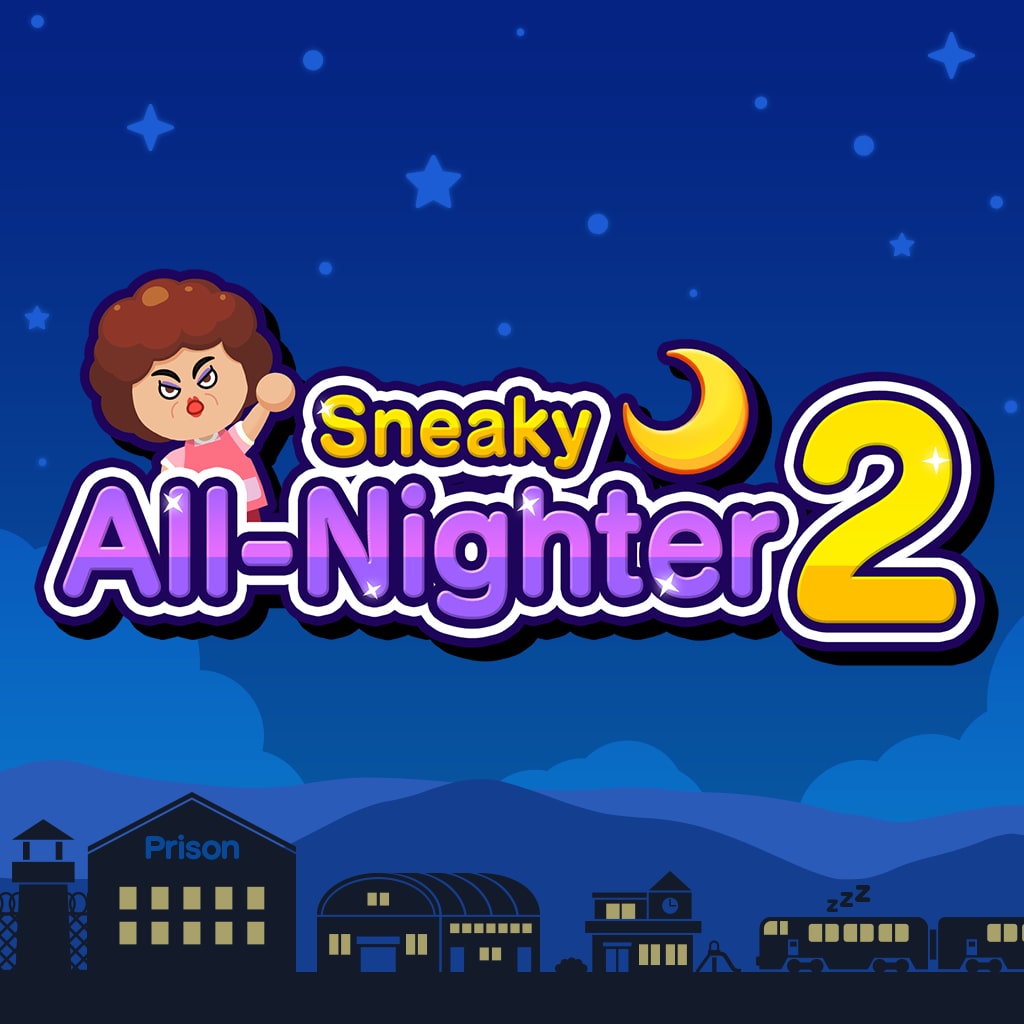
In stealth games, silence is strategy, shadows are allies, and missteps carry consequences. Sneaky All-Nighter 2 embraces these tenets with gusto, offering one of the most satisfying sneaking experiences in recent memory. It is a game that rewards patience and forethought while also injecting a fresh sense of energy and style into a genre that can sometimes feel too serious for its own good. Where many stealth titles chase cinematic tension, Sneaky All-Nighter 2 finds its groove in playfulness, systems that feel alive, and those electrifying “heart-in-your-throat” moments when you slip through the narrowest gap or dodge a search beam by a hair’s breadth.
A sequel carries a weight of expectation — but this is one case where the game not only meets those expectations but expands on them meaningfully, enhancing both freedom and challenge without sacrificing charm.
Sneaking With Style: Mechanics That Matter
The core loop of Sneaky All-Nighter 2 feels both intuitive and deep. You control a nimble protagonist whose goal is simple: infiltrate spaces, avoid detection, and complete objectives using guile rather than brute force. But simplicity in concept rarely translates to simplicity in execution — and this is where the game shines.
Movement feels responsive. You can crouch, sprint briefly, vault obstacles, and blend into shadows in a way that feels fluid and controlled. The level design encourages multiple approaches. Do you take the slow, silent route through vents and blind spots? Do you distract guards with thrown objects, lure them into traps, or don a disguise and bluff your way past? Each choice feels meaningful.
Enemy AI is alert without feeling unfair. Guards communicate with each other, investigate disturbances, and call for reinforcements when truly alarmed, but they’re not omniscient. Spotting a cue — a turned head or a wandering patrol route — and exploiting it rewards careful observation rather than guesswork. This balance ensures that each success feels earned, and each failure feels like a lesson rather than arbitrary punishment.
One of the game’s strongest design choices is how it visualises risk. Sound indicators, vision cones, and environmental cues are clear without being intrusive, letting players assess danger quickly and make snap decisions under pressure. When you finally slip past detection or execute a perfect silent takedown, the feeling isn’t just relief — it’s joy.
Crafting Chaos in the Quiet Hours
While stealth is central, Sneaky All-Nighter 2 wisely avoids restricting the player to a single playstyle. Curiously crafted systems mean you’re never forced into one particular route. In fact, the game practically encourages creativity.
Mischief tools abound: noisemakers to lure foes into traps, gadgets that create temporary decoys of your character, and environmental hazards that can be manipulated to block patrol routes or create opportunities for silent passage. Some levels even introduce opportunities for playful sabotage — loosening light fixtures, triggering alarms at precise moments to force guards into predictable patterns, or even sneaking into vents and dropping boxes on unsuspecting heads (all with the mentally delicious thunk you’d hope for).
The sandbox nature of many missions means that your decisions shape your experience. More strategic players will take joy in patience and planning; more opportunistic players will relish the chaos and daring escapes. The result is a game that doesn’t punish different approaches but welcomes them — as long as you understand the consequences of your choices.
Missions That Dance With Variety
It’s easy for stealth games to fall into repetition, but Sneaky All-Nighter 2 keeps things fresh with mission variety that builds organically. Early tasks might focus on simple item retrieval under moderate guard patrols. Later objectives push you into complex multi-stage infiltrations, rescue missions, or high-risk exfiltration under time pressure.
Each mission feels like a tiny narrative, even when objective text is minimal. There’s always a sense of purpose — data you need to extract, a high-value item to lift, or surveillance to sabotage before a higher-stakes sweep begins. These objectives are threaded through environments that are cleverly packed with alternative routes and layered obstacles that reveal themselves only after multiple playthroughs.
Replayability is a genuine strength here. Most missions unlock additional budget challenges, time trials, or alternative goals (such as “no takedown” or “zero alerts”). These secondary objectives dramatically change how a stage feels, and completing them often reveals new tools or story snippets that deepen the world without overwhelming the core gameplay.
Story and Character: Subtle but Satisfying
Don’t expect Sneaky All-Nighter 2 to hamstring itself with sprawling lore or monologue-heavy cutscenes. Its narrative is smartly understated, delivered in short bursts that complement gameplay rather than interrupt it.
You’re not a lone superhero — you’re a specialist, a shadow operative with a reputation that precedes you. NPCs occasionally comment on your exploits between missions, and you meet contacts who have distinct personalities and agendas. None of this thread dominates the experience, but it keeps the world feeling lived-in, and it gives context to why you’re chasing certain goals.
The writing is clean, often wry, and punctuated with moments of humour that remind you not to take every pixel of the game too seriously. That said, when the narrative does lean into stakes — enemy corporations tightening security, allies under threat — the tone shifts just enough to give your efforts weight.
Balancing humour with tension is tricky, but the game lands it gracefully.
Aesthetic Identity and Technical Merit
Visually, Sneaky All-Nighter 2 opts for a stylised aesthetic that’s crisp, readable, and expressive. Characters are distinct without needing hyper-realism; environments are rich in detail yet never visually cluttered. The colour palette works in service of both stealth mechanics (shadows are genuinely useful) and ambience: neon-lit urban rooftops contrast well with the dingy interiors of heavily guarded facilities.
Animation is smooth; the helicopter-like precision of fluid sneaks, jumps, and environmental interactions feels built on a robust foundation. Even in tighter spaces, collisions and interactions behave consistently — critical in a game where precision is reward and penalty.
Audio design is equally strong. Footsteps, subtle environmental movement, and guard chatter all feed into the sensory puzzle of stealth. Music complements tension without dominating it, rising in crescendo only when missions demand it most — such as during a frantic dash back to extraction after alarms have been tripped.
If there is a technical quibble, it’s minor: occasional camera moments in tight interiors can feel sensory busy, but never to a degree that disrupts play or causes unfair deaths.
A Challenge Worth Taking
Difficulty in Sneaky All-Nighter 2 is finely tuned. Early missions feel like training, later ones feel like tests, and advanced modifiers (like “no alert zones” or “restricted gadgets”) genuinely demand skill rather than rote memorisation. The game never feels unfair — only demanding in a way that encourages mastery.
What’s rare and rewarding about Sneaky All-Nighter 2 is how it teaches without preaching. You learn by probing, observing, trying, failing, and trying again — each failure a lesson in approach rather than frustration.
Final Thoughts
Sneaky All-Nighter 2 is an exceptional stealth action title that understands both the mechanics and the spirit of sneaking. It’s a game that rewards patience, celebrates creativity, and respects player choice. Its blend of tactical systems, playful gadgets, varied missions, and rewarding progression make it one of the genre’s most accessible yet deep entries in recent memory.
For fans of strategic stealth, or players looking for a title that turns every corridor into a challenge and every shadow into opportunity, Sneaky All-Nighter 2 deserves your attention.