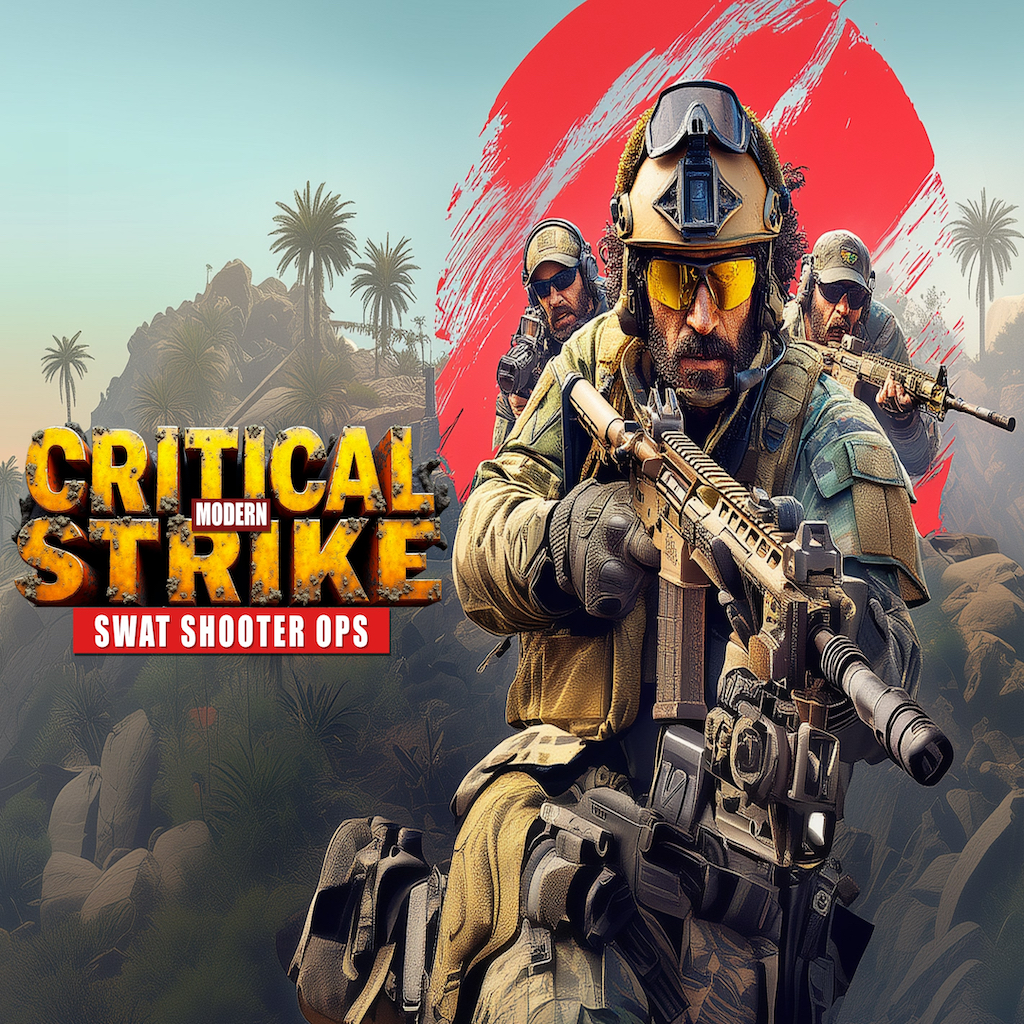
Critical Strike Modern – SWAT Shooter Ops arrives on PlayStation 5 following its earlier release on Nintendo Switch on January 16, 2026. While this latest version brings technical improvements tailored to Sony’s current-gen hardware, it remains, at its core, the same mission-based tactical shooter.
Positioned between arcade accessibility and grounded tactical simulation, the game aims to deliver a structured, objective-driven experience inspired by modern counter-terrorism operations. Its ambitions are clear: to blend methodical gameplay with approachable mechanics. The result, however, is a title that demonstrates solid fundamentals while struggling with consistent execution.
PS5 Version vs Switch – What’s Actually Different?
The PlayStation 5 version introduces several technical enhancements over its Switch counterpart, though these improvements are primarily presentational rather than transformative.
Performance & Visuals
Running at native 4K resolution with a stable 60 frames per second, the PS5 version delivers a noticeably sharper, smoother experience than the Switch’s 1080p (docked) or 720p (handheld) at 30 FPS. Textures appear cleaner, and lighting benefits from subtle improvements, particularly in interior environments where shadows are key to visibility and tension.
DualSense Integration
Haptic feedback adds a layer of physical response to weapon handling, with different firearms producing distinct vibrations. While this enhances immersion, the lack of adaptive trigger support leaves the feature underutilised compared with higher-budget shooters on the platform.
Loading Times
Thanks to the PS5’s SSD, mission loading is virtually instantaneous. This is a significant improvement over the Switch version, where loading screens could last 10–15 seconds, interrupting the flow between missions.
The Reality Beneath the Upgrades
Despite these enhancements, the core game remains unchanged. The mission structure, enemy AI, and overall progression are identical. Players familiar with the Switch version will find no new content here—only a cleaner, smoother presentation.
Core Gameplay and Concept
At its core, Critical Strike Modern – SWAT Shooter Ops places players in the role of an elite operative tasked with handling high-risk scenarios. These include hostage rescues, bomb defusal, intelligence retrieval, and direct engagements with the enemy.
Rather than a continuous narrative campaign, the game is structured into discrete, mission-based segments. Each scenario tests awareness, positioning, and controlled engagement, reinforcing the game’s tactical aspirations.
This structure works well in short bursts, allowing players to jump into individual operations without committing to long play sessions. However, it also contributes to a sense of fragmentation that becomes more noticeable over time.
Mission Structure and Tactical Intent
Mission design is one of the game’s more confident elements. Objectives are clearly communicated, and environments are designed to encourage thoughtful movement rather than reckless action.
Players are often presented with multiple entry points into buildings or compounds, allowing varied approaches. Whether clearing rooms methodically or pushing forward with controlled aggression, the game encourages players to think tactically about engagement.
Objective variety helps maintain pacing. Hostage rescue missions demand precision and restraint, while bomb defusal scenarios introduce time pressure and urgency. Intelligence-gathering objectives shift the focus towards navigation and awareness, adding a light stealth element to the experience.
However, this variety is somewhat superficial. While objectives differ in context, the underlying mechanics remain largely the same. Once enemy patterns are understood, missions can begin to feel predictable, limiting the long-term impact of the game’s tactical framework.
Gunplay and Controls
The shooting mechanics are accessible and functional. Weapons feel weighty, and aiming is responsive enough to suit both cautious playstyles and faster engagements.
Core actions—crouching, sprinting, leaning, and aiming down sights—are intuitive, making the game easy to pick up for those familiar with modern shooters. Weapon variety adds depth, with different firearms suited to different scenarios. Suppressed weapons encourage stealth, while heavier options favour direct confrontation.
Gadgets such as flashbangs and grenades reinforce the tactical theme, offering players additional tools for managing encounters. These elements work best when combined thoughtfully, rewarding preparation over improvisation.
That said, the overall combat experience is held back by inconsistent enemy AI. At times, enemies react believably, taking cover and responding to sound cues. At others, they behave erratically or fail to respond convincingly, undermining the tension that tactical gameplay relies on.
Level Design and Environmental Interaction
Environments are grounded and practical, favouring realism over spectacle. Interiors such as warehouses, offices, and industrial facilities are logically constructed, with clear sightlines and sensible cover placement.
Level layouts generally support tactical movement, allowing players to approach objectives from multiple angles. This flexibility is one of the game’s strengths, even if it is not always fully realised because of predictable enemy behaviour.
Interactive elements exist but are limited. Doors, cover, and occasional hazards play a role in encounters, but environments rarely evolve during missions. This results in levels that feel structurally sound yet somewhat static, particularly on repeat playthroughs.
Visual Presentation and Performance
On the PlayStation 5, the game benefits from improved resolution and frame rate. The higher clarity enhances environmental detail, while smoother performance ensures more consistent gameplay.
That said, the overall visual design remains modest. Character models are serviceable, though animations can appear stiff, especially in close-quarters interactions. Lighting improvements help establish atmosphere, but the game does not push beyond genre expectations.
Minor visual inconsistencies and occasional animation glitches persist, though they rarely disrupt gameplay in any meaningful way.
Sound Design and Atmosphere
Audio plays an important supporting role. Gunfire has appropriate impact, and environmental sounds help signal enemy presence and movement. Explosions and gadget effects provide clear feedback, reinforcing player actions during high-pressure moments.
The soundtrack is understated, favouring ambient tones over memorable compositions. This approach suits the game’s grounded tone but does little to elevate the overall experience.
While effective, the audio design remains functional rather than standout.
Narrative and Progression
Narrative elements are minimal. Missions are set within a broader global security context, yet there is little character development or overarching story progression.
This keeps the focus firmly on gameplay, but it also leaves the campaign feeling disconnected. Missions function more as standalone scenarios than as part of a cohesive narrative arc.
For players seeking a strong story component, this will likely feel like a missed opportunity.
Replayability and Longevity
Replay value is driven primarily by experimentation. Players can revisit missions with different tactics, choosing stealth or direct engagement.
However, because outcomes remain largely unchanged and enemy placements are consistent, the incentive to replay missions diminishes once optimal strategies are found.
The absence of additional modes or cooperative play further limits long-term engagement.
Final Verdict
Critical Strike Modern – SWAT Shooter Ops offers a competent tactical shooter experience grounded in solid ideas and well-structured mission design. The PlayStation 5 version enhances presentation with improved resolution, smoother performance, and faster load times, but it does not fundamentally alter the core experience.
Its strengths lie in accessible gunplay, clear objectives, and a consistent tactical framework. However, inconsistent enemy AI, limited environmental dynamism, and a lack of narrative depth prevent it from reaching its full potential.
For newcomers, the PS5 version is the most polished way to experience the game. For returning players, the upgrades are noticeable but not transformative.