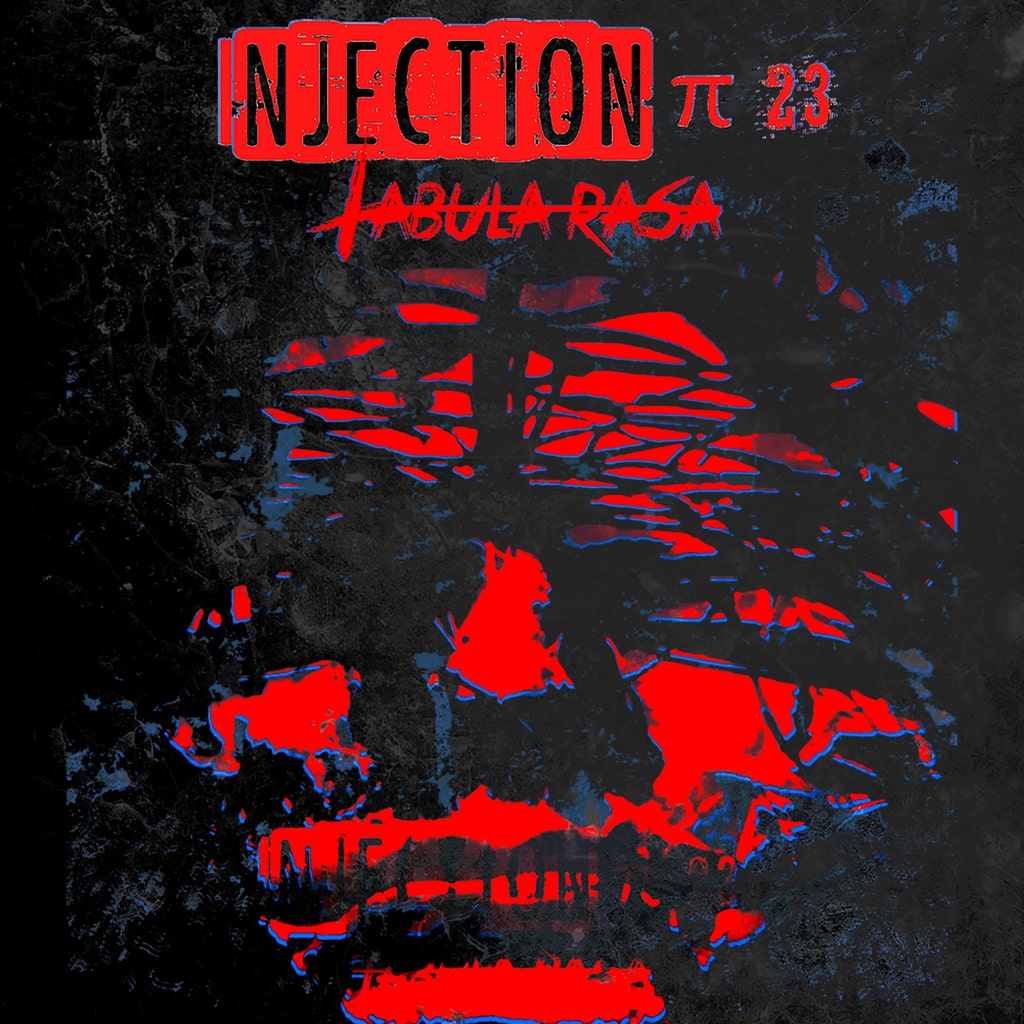
Injection π23 ‘Tabula Rasa’ serves as the concluding chapter in the Injection π23 survival horror trilogy, delivering a bleak, unsettling experience that leans heavily into atmosphere, psychological unease, and investigative gameplay. Rather than chasing modern horror trends built around spectacle or cinematic pacing, Tabula Rasa commits to a slower, more deliberate approach rooted in exploration, environmental storytelling, and classic survival horror sensibilities.
This is a game that wears its indie identity openly. Its ambition lies not in scale or technical polish, but in mood, tension, and narrative ambiguity. For players who appreciate horror driven by curiosity and discomfort rather than constant action, Tabula Rasa offers a grim and thoughtful finale.
Story and Setting
The narrative unfolds through fragmented storytelling, placing players in environments that feel abandoned, decayed, and burdened with unresolved history. As with previous entries in the series, the plot is deliberately opaque, encouraging players to piece together meaning from documents, environmental details, and unsettling encounters rather than relying on direct exposition.
Themes of identity, manipulation, memory, and control run throughout the experience. The subtitle Tabula Rasa—meaning “blank slate”—is reflected in both the narrative structure and the protagonist’s psychological state. Reality often feels unstable, and the game frequently asks players to question what is real, imagined, or deliberately obscured.
While this approach rewards patience and attention, it may alienate players who prefer clearly defined story beats or consistent narrative pacing. The story reveals itself slowly, and understanding its full implications requires active engagement rather than passive consumption.
Gameplay and Mechanics
Injection π23 ‘Tabula Rasa’ adheres closely to traditional survival horror mechanics. Exploration is the primary focus, supported by environmental puzzles and light resource management. Combat exists, but it is intentionally restrained, reinforcing vulnerability rather than empowerment. Players are encouraged to avoid danger when possible and think carefully before engaging threats.
Movement and controls feel deliberately methodical, sometimes bordering on stiff. This design choice enhances tension by limiting agility, but it can occasionally feel cumbersome, particularly during navigation-heavy sequences. Precision is required, and missteps can be costly.
Puzzles are environmental and logic-based, often requiring careful observation of surroundings. Clues are rarely highlighted, and solutions are usually contextual rather than explicit. This design rewards players who take their time, examine details, and think critically, but it can feel obtuse for those accustomed to more guided experiences.
Atmosphere and Horror Design
Atmosphere is the game’s strongest asset. Lighting is used effectively to create unease, with dim corridors, stark contrasts, and limited visibility contributing to a persistent sense of dread. Sound design plays an equally important role, relying on ambient noise, silence, and subtle audio cues to maintain tension rather than relying on frequent jump scares.
The environments feel oppressive and lonely, reinforcing the psychological weight of the narrative. Moments of quiet are allowed to linger, often becoming more unsettling than overt threats. This slow-burn approach will resonate strongly with fans of psychological horror.
However, the presentation is not without flaws. Animations can appear stiff, and environmental assets occasionally lack detail. Camera behaviour can also become problematic in confined spaces, momentarily breaking immersion. While these issues do not undermine the core experience, they do highlight the game’s limited production scope.
Narrative Delivery and Themes
The storytelling in Tabula Rasa is abstract and layered. Rather than presenting a straightforward conclusion, it invites interpretation. Players are left to connect narrative threads themselves, drawing conclusions based on symbolism, recurring imagery, and fragmented information.
This approach adds depth for those willing to engage with it, but it also risks frustration for players seeking closure or clarity. Key revelations are spaced widely apart, and backtracking is often required to contextualise earlier discoveries. For some, this reinforces immersion; for others, it disrupts pacing.
Challenge and Pacing
Difficulty is rooted less in mechanical challenge and more in psychological pressure. Limited resources, unclear threats, and disorienting environments create tension organically. That said, the pacing can feel uneven, particularly when puzzle sequences require extended trial and error or repeated navigation through familiar areas.
The absence of modern quality-of-life features—such as frequent autosaves or clear navigation aids—adds to the tension but can also magnify frustration during longer sessions.
Strengths and Weaknesses
Strengths
- Strong atmospheric horror and sound design
- Thoughtful, interpretive storytelling
- Effective use of environmental puzzles
- Consistent survival horror tone
Weaknesses
- Uneven pacing and occasional repetition
- Stiff movement and camera limitations
- Narrative ambiguity may not appeal to all players
Final Verdict
Injection π23 ‘Tabula Rasa’ is a committed, uncompromising survival horror experience that prioritises atmosphere and psychological tension over accessibility or spectacle. It is not a game designed to please everyone, but for players who value slow-burn horror, environmental storytelling, and interpretive narratives, it offers a fitting and unsettling conclusion to the trilogy.
While technical limitations and opaque pacing occasionally hinder the experience, the game’s dedication to mood and thematic depth ensures it remains memorable long after the credits roll.