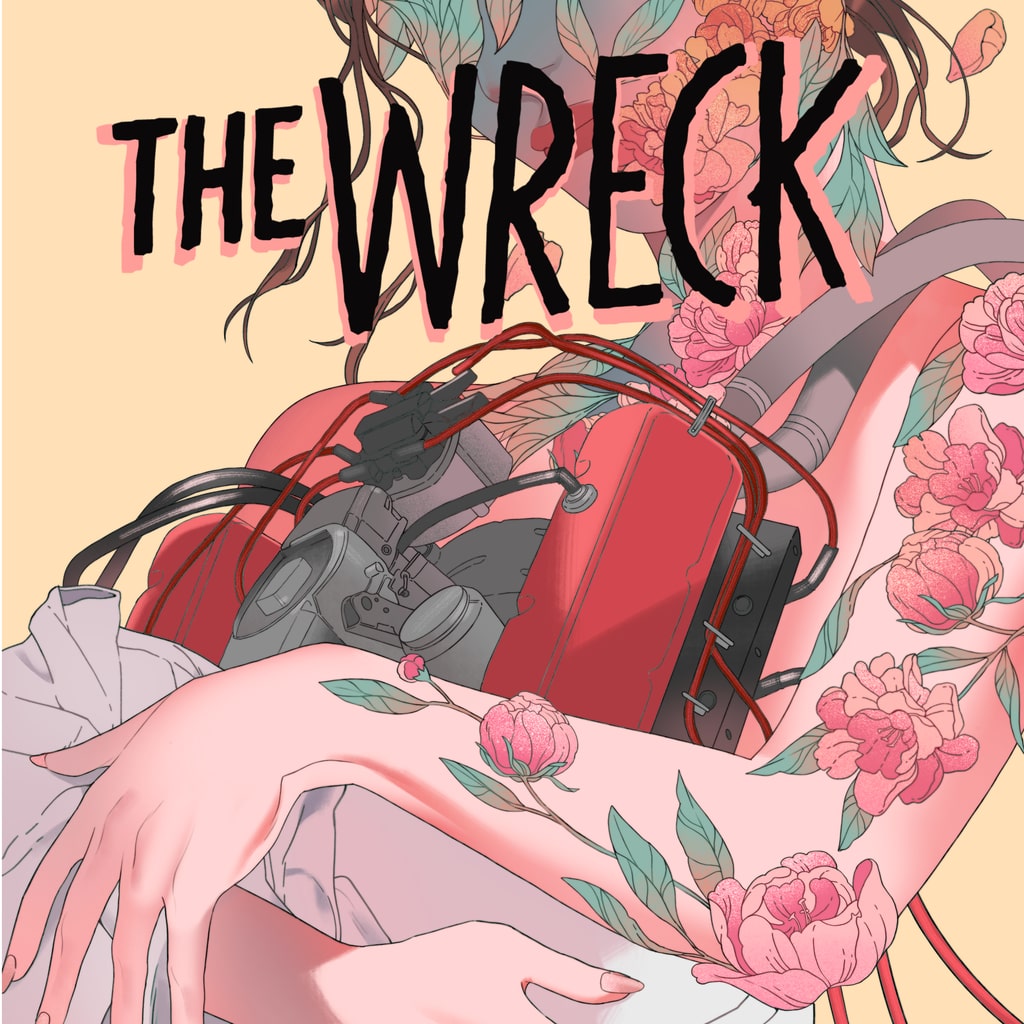
Beneath the façade of colorful indie releases lies a game with the ambition to dive deep into trauma, relationships, and the wreckage left behind by life’s defining moments. The Wreck offers more than a visual novel—it presents an emotional journey steeped in loss, memory, and the chance to confront your past. The physical PS5 edition adds a tangible connection to the game’s world, reminding us that some experiences are meant to be held as well as played.
Narrative & Premise
You play as Junon, a screenwriter whose life has stalled, facing the fallout of her estranged mother’s critical condition and the fractures in her relationships with her sister and ex‑husband. On one hand, you navigate a hospital corridor and difficult conversations; on the other, you’re trapped in a recurring car crash loop—literal and metaphorical—where memories float in mid‑air and you must piece together what went wrong.
The physical edition includes extras that deepen immersion—a printed art insert, perhaps a poster or collectible item—helping underline the story you are about to step into. It turns what might have been just a digital download into an experience you physically own, feel, and remember.
Gameplay & Structure
The Wreck is a narrative‑first title. Dialogue, choices, and emotional beats drive the experience. Whenever Junon’s emotions overwhelm her, the world fractures: you’re thrust into a slow‑motion crash, interact with floating objects representing memory and trauma, and then rewind to attempt the conversation again, now armed with new insight.
In the PS5 physical edition you’ll enjoy the crisp display and stable performance that the console affords. Controls are simple—navigate conversational branches, aim at memories, and interact with viewpoints—but the emotional weight is vast. The “game” is less about overcoming enemies and more about understanding the wreckage inside you.
Visuals, Presentation & Physical Packaging
Graphically, The Wreck uses a distinctive 3D visual‑novel aesthetic. It doesn’t aim for photorealism—the characters and environments have a stylised, cinematic look that suits the story’s theatre of memory and trauma. On PS5, load times are minimal, the presentation is stable, and controls respond fluidly—so while the visuals may not dazzle, they serve the narrative beautifully.
Where the physical edition shines: opening the box reminds you this is a crafted object, not just a download. The sleeve, insert, and packaging help set the tone. You’re preparing yourself for Junon’s emotional unraveling—and the physical form makes you pause, hold the disc, and register that yes, this story matters.
Sound & Mood
Sound design is one of The Wreck’s strongest features. Ambient noise in the hospital, distant echoes, the subtle hum of life hanging in the balance—all form a backdrop of tension and quiet dread. The crash sequences are surreal: objects suspended mid‑air, audio stretched and twisted, giving the sensation of time slipping. Voice acting is solid and music is understated, only appearing to heighten emotion at key moments.
Strengths
- Emotionally potent story: Few indie games handle grief, guilt, and relationships with such honesty. The wreck isn’t just a car crash—it’s life’s wreck, laid bare.
- Distinctive structure: The crash‑loop mechanic—repeated accident, memory dive, return to conversation—is clever and symbolic of emotional cycles.
- Physical edition adds weight: In an era of limitless downloads, owning a physical copy makes the game feel more meaningful. The packaging reflects the care the developers took with the narrative.
- Accessible gameplay, deep themes: With simple navigation and minimal mechanical barrier, the story is front‑and‑centre, allowing broader audiences to engage with serious themes.
Weaknesses
- Limited interactivity: Because the game leans heavily into narrative, those expecting traditional gameplay (action, branching systems) may find it light.
- Short runtime: At around four to six hours, the story moves briskly—efficient, but some may wish for more content in a physical edition.
- Repetition in structure: The crash‑loop device is effective early on, but can feel repetitive if expecting frequent gameplay shifts rather than emotional beats.
Who Should Play It?
If you’re drawn to games like What Remains of Edith Finch, Firewatch, or Gone Home—that is, narrative adventures focusing on introspection rather than combat—then The Wreck is a strong match. The PS5 physical edition is especially appealing to collectors, story-driven gamers, and anyone who values the tactile experience of owning a game.
For players expecting high-octane gameplay or hours of side content, the ride may feel quieter and shorter than conventional titles.
Final Verdict
The Wreck (PS5 Physical Edition) is a compelling example of how video games can explore difficult emotions, life’s wreckage, and the possibility of healing. Its narrative, structural ambition, and the hand‑held presence of the physical edition elevate it beyond many visual novels or indie narratives.
The physical packaging makes this game feel worthy of attention beyond the screen—it’s a story you hold. The core mechanics are simple, but they serve the deeper purpose brilliantly. The repetition in the crash sequences is intentional and emotional, if occasionally slow for those used to faster pacing.
In short: this is a game about confronting what crashes inside you, about rewinding your own emotional wreckage and finding a way forward. The PS5 physical edition adds a layer of ceremony to that journey—making it one not just to play, but to keep.
A meaningful, brave narrative experience wrapped in a thoughtful physical edition. For players seeking depth, emotion, and a tactile game to own, The Wreck delivers.