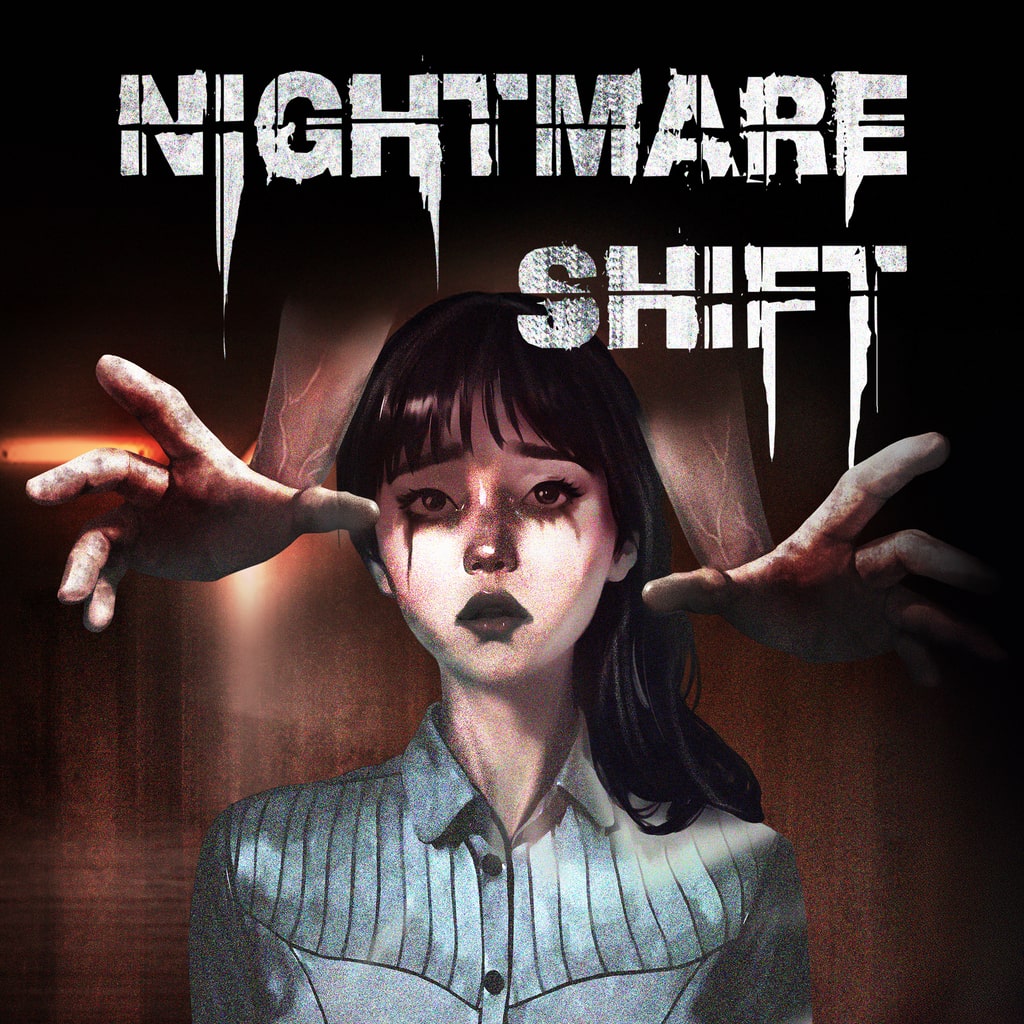
There is something deeply unsettling about working while everyone else is asleep. The world grows quieter, familiar places suddenly feel unfamiliar, and even the most ordinary noise can make you wonder whether you really heard anything at all. Nightmare Shift understands that particular unease and builds its horror around it, putting you in the shoes of Emma Carter as she works the night shift at an isolated motel while increasingly strange events begin to intrude on her life. Rather than throwing monsters at you from the opening minutes, it takes its time, letting routine, isolation and suspicion do much of the heavy lifting.
Developed and published by Binary Lunar, Nightmare Shift is primarily a psychological horror walking simulator with puzzle elements and multiple endings. Its central idea is wonderfully simple: take the repetitive responsibilities of an overnight job and gradually make them feel wrong. Answering a telephone, checking security cameras or dealing with a guest might sound harmless on paper, but when the corridors are empty and something seems to be watching from the darkness, even making your way from reception to a supply cupboard can become uncomfortable. It is an approach that will feel familiar to anyone who enjoys atmospheric indie horror, but Nightmare Shift does enough with its setting and story to give the formula its own personality.
A Night at the Motel
Emma’s story begins with what should be an unremarkable working night. The motel is quiet, responsibilities are straightforward, and there is a comforting rhythm to knowing what needs to be done. That rhythm soon starts to crack, however, as strange guests, unexplained incidents and unsettling phone calls raise questions Emma cannot simply ignore. The clever thing about the setup is that the game has the player participate in that routine before beginning to undermine it, giving the ordinary tasks greater significance once everything starts falling apart.
The motel itself becomes one of the game’s most important characters. Long corridors, empty rooms and poorly lit spaces create an atmosphere in which you are constantly looking towards the edges of the screen, wondering whether something has moved. There is particular effectiveness in the contrast between the mundane and the sinister, because a reception desk or laundry area should not be frightening, yet Nightmare Shift gradually teaches you to distrust these spaces. Once the game has established that something is not quite right, even returning to an area you have already visited can carry a strange sense of dread.
That feeling of being watched is central to the experience. The suggestion that the walls themselves have eyes is more than just a creepy tagline, as the game repeatedly plays with the idea that Emma is being observed. Security cameras, windows, darkened rooms and suspicious figures all contribute to the same underlying paranoia. You are never entirely sure whether the danger is genuinely present or whether Emma’s increasingly fragile state is causing her to interpret ordinary events as something more sinister.
Routine Becomes Horror
The gameplay is deliberately modest, with Nightmare Shift leaning heavily into the walking-simulator tradition. You spend much of your time exploring, interacting with objects, completing simple tasks and piecing together clues. Puzzles are scattered throughout the experience, but they are generally designed to keep you moving through the story rather than to provide elaborate brainteasers. For some players, that restraint will be exactly what makes the experience work, while those seeking substantial mechanical depth may find the interaction somewhat limited.
The daily chores are surprisingly important to the game’s pacing. Answering calls, checking cameras, resetting systems and keeping the motel running create a sense of normality that makes the supernatural elements more effective when they arrive. There is something unnerving about being asked to perform another mundane task immediately after witnessing something that should be impossible. Nightmare Shift understands that horror is often at its best when it refuses to let you simply run from the problem.
That said, the routine can occasionally become too routine. There are moments when collecting an item or completing another checklist objective feels more like padding than meaningful interaction, particularly when the atmosphere has already kept you interested. The simplicity of the mechanics means the experience depends heavily on the quality of its story and environmental design. When those elements are firing on all cylinders, the simplicity works beautifully, but weaker sequences can feel noticeably slower.
Emma’s Descent
The strongest part of Nightmare Shift is its attempt to blur the line between reality and nightmare. Emma is not simply wandering through a haunted motel, waiting for something to attack her. Her experiences grow increasingly difficult to interpret, as strange characters and events make it harder to establish what is real. The motel and Emma’s apartment both become stages for this psychological deterioration, and the change of setting helps prevent the experience from becoming visually stagnant.
Emma’s apartment is particularly effective because it takes the horror away from the workplace. Home should represent safety, somewhere to breathe after an unsettling shift. Nightmare Shift instead suggests that whatever is happening is following Emma beyond the motel doors, making the distinction between her professional and personal life increasingly meaningless. It is a simple narrative device, but one that adds considerable weight to the game’s central theme of paranoia.
The multiple endings also give the story some welcome replay value. Choices can influence how events ultimately unfold, encouraging players to revisit earlier sections and consider whether a different decision might reveal another piece of the puzzle. This is not a sprawling branching narrative with countless radically different scenarios, but the possibility of reaching different conclusions complements the game’s mystery nicely. It also gives the player a reason to pay closer attention to seemingly insignificant interactions during the first playthrough.
Atmosphere Does the Heavy Lifting
Visually, Nightmare Shift aims for a photorealistic presentation, and the approach works particularly well in its darker environments. The motel feels suitably isolated, with lighting doing much of the work to create tension. Bright areas can feel strangely uncomfortable because you know the next corridor might plunge you back into darkness, while shadows and empty spaces invite the imagination to fill in the blanks.
The sound design is equally important. Horror often lives or dies by its audio, and the quiet moments in Nightmare Shift can be more effective than an obvious jump scare. A distant noise, a ringing telephone, or the sudden absence of expected background sound can make an otherwise harmless room feel threatening. It creates that wonderful horror-game sensation where you start listening more carefully because you are convinced something is lurking just outside your field of view.
There are, however, some rough edges that occasionally remind you this is an indie production. Character animations can lack the natural movement you would expect from a more polished horror title, and certain interactions feel slightly rigid. These issues are not enough to destroy the atmosphere, but they can puncture it at unfortunate moments. When you are completely absorbed in Emma’s paranoia, a stiff animation or awkward transition can pull you back to the reality of playing a game.
A Slow Burn Worth Experiencing
Nightmare Shift is not a relentless horror rollercoaster. It is a slow burn that wants you to settle into a routine before quietly convincing you that something is horribly wrong. That approach demands patience, particularly in the earlier sections, when the game is establishing Emma’s circumstances and the motel itself. The payoff comes from watching that normality gradually deteriorate rather than from constant action.
Its biggest weakness is that the walking-simulator structure can sometimes feel restrictive. There are stretches when you know exactly what the game wants you to do, but the process of getting there involves little more than moving from one objective marker to another. The atmosphere keeps these sections moving more often than not, but a little more variety in the puzzles and interactions would have made the experience considerably stronger.
Still, there is a genuine personality to Nightmare Shift that makes its imperfections easier to forgive. The central mystery is intriguing, Emma is a sympathetic protagonist, and the game’s best moments show that psychological horror does not require an enemy charging down a corridor. Sometimes the most frightening thought is simply that someone is watching you and you have no idea why.
Verdict
Nightmare Shift is an atmospheric psychological horror adventure that draws considerable strength from the unsettling familiarity of its setting. Binary Lunar turns overnight motel work into an increasingly unnerving experience, using routine, isolation and paranoia to build tension rather than relying exclusively on cheap scares. The motel and Emma’s apartment provide two effective stages for a story that constantly asks whether what you are seeing is actually happening, while the multiple endings give the mystery welcome replayability.
It is not without its limitations. The walking-simulator structure can make some sections feel overly passive, and the repetitive checklist tasks occasionally undermine the otherwise excellent atmosphere. There are also technical and presentation rough edges that prevent the game from reaching the level of polish enjoyed by the biggest names in psychological horror.
Even so, Nightmare Shift succeeds where it matters most. It creates an uneasy world where ordinary things feel increasingly suspicious, and it understands that the fear of being watched can linger far longer than a conventional jump scare. For players who enjoy slow, atmospheric horror with a mysterious narrative and a healthy dose of paranoia, Emma’s night shift is worth clocking in for.