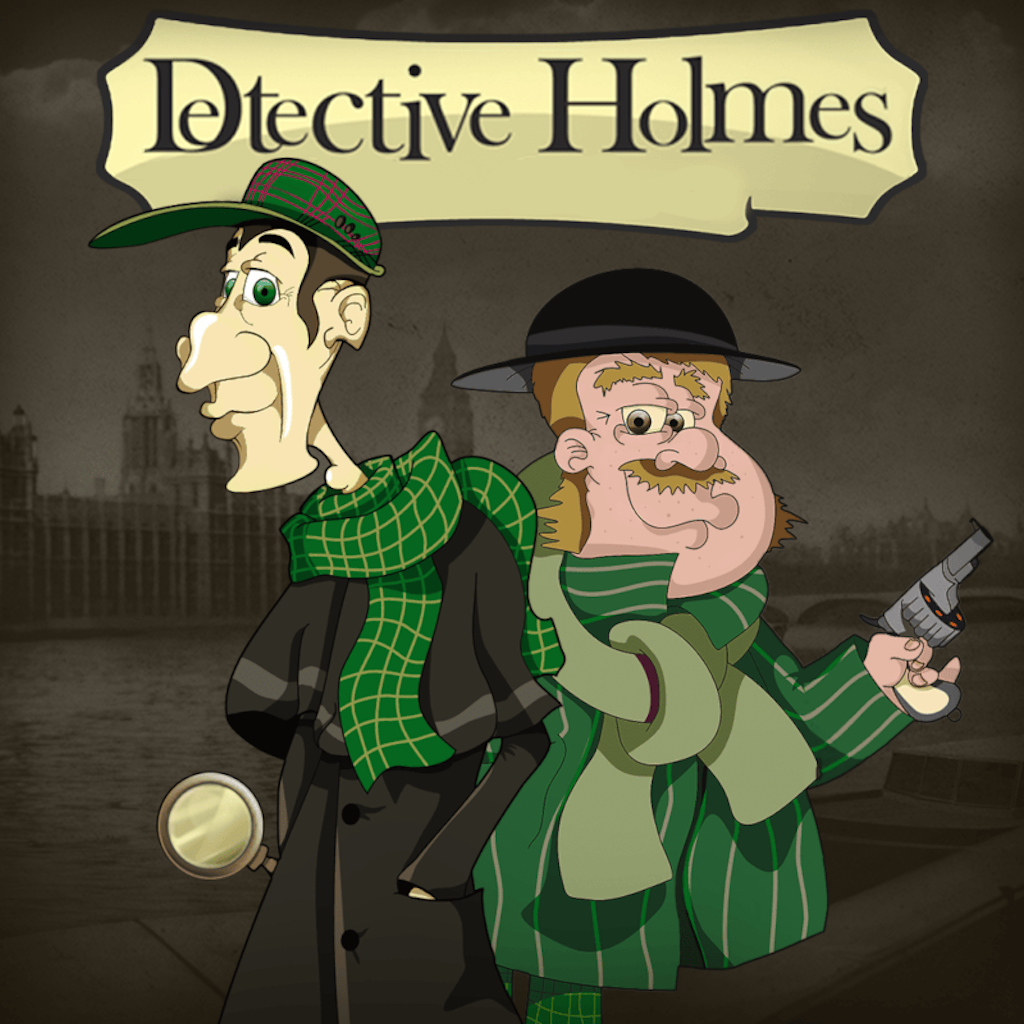
Few fictional detectives have stood the test of time quite like Sherlock Holmes. More than a century after Arthur Conan Doyle introduced the brilliant detective to readers, Holmes continues to inspire books, films and games that celebrate his unmatched powers of deduction. Detective Holmes: Hidden Objects doesn’t attempt to reinvent the famous sleuth. Instead, it leans into everything fans already love, inviting players to step into Victorian London and solve mysteries one clue at a time through a relaxing collection of hidden-object challenges and puzzle-solving.
Developed and published by Crisp App Studio, Detective Holmes: Hidden Objects blends classic hidden-object gameplay with light detective storytelling. Alongside the ever-reliable Doctor Watson, players investigate atmospheric crime scenes, search for overlooked evidence and piece together clues that gradually reveal the truth behind each investigation. While the narrative remains fairly straightforward, it provides enough motivation to make every new location feel like another chapter in an engaging detective novel.
The hidden-object genre has existed for years, and many games struggle to distinguish themselves beyond new artwork or different themes. Detective Holmes: Hidden Objects succeeds because it understands that presentation and atmosphere matter just as much as the puzzles themselves. Every location feels carefully crafted to immerse players in Victorian London, capturing both the elegance and the mystery associated with Holmes’ world.
This is not a game driven by fast reactions or high-pressure decision-making. It rewards patience, careful observation and the willingness to slow down. That relaxed pace becomes one of its greatest strengths, allowing players to settle into each investigation without feeling hurried by unnecessary timers or constant interruptions.
Becoming The Great Detective
The core gameplay revolves around exploring richly illustrated scenes filled with cleverly concealed objects. Each location presents players with a list of items to find before progressing to the next stage of the investigation. At first glance, the task appears simple, but the designers have hidden many objects with enough creativity to keep even experienced hidden-object fans searching carefully.
What makes Detective Holmes: Hidden Objects enjoyable is how naturally the hidden items blend into their surroundings. Antique clocks merge with wallpaper patterns, old books disappear among crowded shelves, and delicate ornaments become part of the room’s decoration. Rather than relying on unfair tricks, the game rewards players who pay close attention to every corner of each environment.
Variety between puzzle types also helps maintain momentum. Traditional hidden-object scenes are regularly broken up by spot-the-difference challenges, silhouette-matching exercises, and smaller, logic-based activities. These changes prevent the gameplay from becoming repetitive while reinforcing the feeling that players are conducting a genuine investigation rather than simply completing isolated puzzles.
Several of the logic mini-games are particularly enjoyable. Decoding messages, unlocking mechanisms, and solving environmental puzzles provide satisfying moments that encourage players to think differently from one challenge to the next. They are not especially difficult, but they add welcome diversity to the overall experience.
London Comes Alive
Presentation plays a significant role in Detective Holmes: Hidden Objects, and Crisp App Studio deserves praise for creating environments that feel authentic without becoming visually overwhelming. Victorian London has been recreated with remarkable attention to detail, from candlelit drawing rooms and cluttered studies to dimly lit alleyways where danger seems to lurk around every corner.
Each scene is packed with historical objects that help create the illusion of stepping back into the nineteenth century. Antique furniture, vintage scientific equipment, ornate decorations and weathered architecture combine to create believable locations that invite exploration. The developers clearly understand that the setting itself is as important as the puzzles hidden within it.
The artwork remains crisp throughout, allowing players to distinguish objects without sacrificing visual richness. This balance is important in hidden object games, where excessive detail can quickly become frustrating rather than enjoyable. Detective Holmes: Hidden Objects manages to create busy environments that remain readable even during longer search sessions.
Fans of Victorian aesthetics will likely spend almost as much time appreciating the artwork as solving puzzles. Every location feels handcrafted rather than procedurally assembled, giving the game a sense of personality that many similar titles lack.
Familiar Faces And Gentle Storytelling
Sherlock Holmes and Doctor Watson provide the narrative framework that ties the investigations together. Their presence immediately adds familiarity, even if the story itself never reaches the complexity of Conan Doyle’s finest mysteries. The dialogue remains concise, keeping the focus firmly on puzzle-solving while still providing enough context to make each investigation feel meaningful.
Rather than overwhelming players with lengthy conversations, Detective Holmes: Hidden Objects uses storytelling sparingly. Small narrative moments introduce each case, establish the stakes, and then allow the player to get on with the investigation. It is a sensible approach that respects the pacing expected of the genre.
Although the mysteries are enjoyable, they rarely surprise in dramatic ways. Players hoping for intricate detective deductions filled with unexpected revelations may find the narrative somewhat lightweight. The emphasis is clearly on the gameplay, with the story serving as a pleasant backdrop rather than the main attraction.
Even so, the classic partnership between Holmes and Watson remains charming. Their interactions help preserve the spirit of the original stories, reminding players why these characters have remained beloved for generations.
Relaxation Meets Observation
One of the game’s greatest strengths is how approachable it feels. The controls are intuitive, making navigation simple whether using a controller or a mouse. Zoom functions and a generous hint system ensure newcomers are never left completely stuck, while experienced players can simply ignore those features if they prefer a greater challenge.
The soundtrack complements the atmosphere beautifully. Soft orchestral music quietly accompanies each investigation, creating an air of sophistication without becoming distracting. Combined with subtle environmental sound effects, it helps transform every search into a peaceful exercise in observation.
This relaxed design philosophy makes Detective Holmes: Hidden Objects an excellent choice for shorter gaming sessions. Individual investigations rarely overstay their welcome, allowing players to complete a case or two before stepping away. That structure makes it particularly enjoyable as an evening puzzle game when you simply want to unwind.
There are occasional moments when repetition begins to creep in, particularly during longer play sessions. Even with the additional puzzle types, the core gameplay loop remains largely unchanged throughout the campaign. Fortunately, the quality of the environments and consistent pacing help prevent monotony from becoming a significant issue.
Final Verdict
Detective Holmes: Hidden Objects may not dramatically reinvent the hidden object genre, but it shows how thoughtful presentation, strong atmosphere and polished design can elevate familiar gameplay into something genuinely enjoyable. It captures the spirit of Sherlock Holmes without becoming overly complicated, delivering accessible investigations that reward patience and observation.
The richly detailed Victorian settings are a constant pleasure to explore, while the variety of puzzles keeps the experience engaging from beginning to end. Although the narrative lacks the intricate twists found in Holmes’ literary adventures, it provides enough motivation to keep each investigation moving forward.
Its welcoming design also deserves recognition. Players of all experience levels can comfortably enjoy the game thanks to intuitive controls, helpful accessibility options and a pace that encourages careful thinking rather than rushed decisions. It is a title that understands not every mystery needs frantic action to remain compelling.
Detective Holmes: Hidden Objects is an excellent companion for fans of hidden object adventures, classic detective fiction and relaxing puzzle games. It offers a satisfying blend of observation, deduction and atmosphere that makes every completed investigation feel rewarding, even if the solutions are sometimes more straightforward than Holmes himself might prefer.