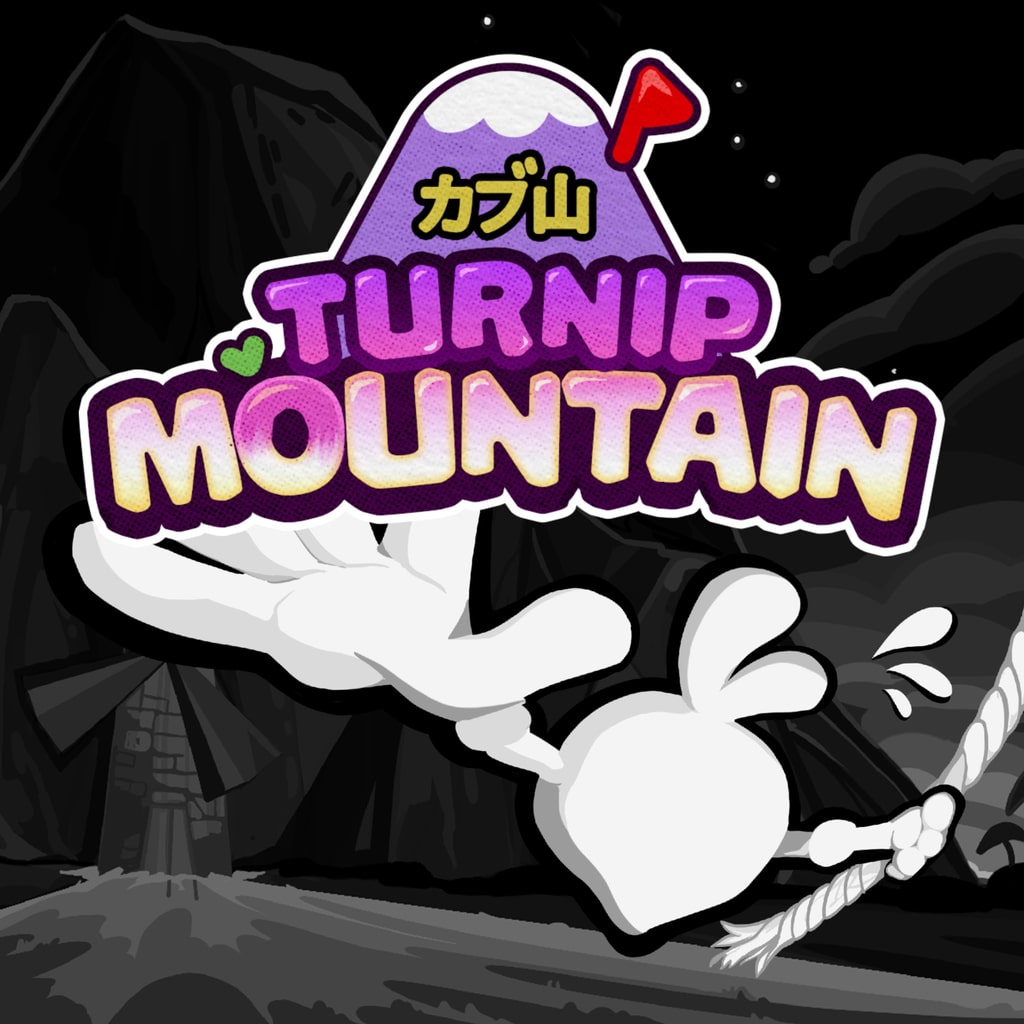
There is something strangely compelling about games that revolve around a single simple idea executed exceptionally well. They strip away unnecessary systems, elaborate stories and sprawling worlds, leaving players to wrestle with a single challenge until they finally master it. Turnip Mountain falls firmly into that category. On paper, it is a game about climbing a mountain as a turnip with comically oversized arms. In practice, it becomes a satisfying test of patience, precision and perseverance, far more rewarding than its playful appearance suggests.
Developed by Luke Sanderson and published by JanduSoft, Turnip Mountain is a physics-driven climbing platformer that places momentum and player skill at the centre of every challenge. Rather than relying on automatic climbing animations or forgiving movement systems, every reach, pull and leap is controlled directly by the player. The result is a game that constantly asks one simple question: can you make it just a little bit higher than last time?
It is impossible to ignore the obvious inspiration drawn from a growing collection of physics-based climbing games, but Turnip Mountain manages to carve out an identity of its own through its wonderfully unusual control scheme and light-hearted personality. It embraces failure without making it feel unfair, encouraging players to laugh at spectacular mistakes before immediately attempting another climb.
Learning to Think With Both Hands
The defining feature of Turnip Mountain is its independent arm controls. Each hand operates separately, requiring players to carefully position their grips before pulling themselves upwards. At first, the system feels awkward, exactly as intended. Your movements are clumsy, your timing inconsistent, and even climbing a small ledge can feel like an impossible task.
That awkwardness slowly gives way to confidence. After enough practice, movements that once felt impossible begin to feel completely natural. You start planning routes several steps ahead, swinging from ropes with greater precision and using momentum to clear obstacles that seemed unreachable on your first attempts.
This sense of personal improvement is where Turnip Mountain truly shines. The game never suddenly makes climbing easier. Instead, players become more skilled through repetition, observation and experimentation. Every successful ascent feels earned because it is the result of genuine understanding rather than character upgrades or simplified mechanics.
Momentum plays an equally important role throughout the experience. Simply grabbing a surface is rarely enough. Players must push away from walls, swing through the environment and use their body weight effectively to build enough speed for longer jumps. There is a surprising elegance beneath the deliberately silly concept, and mastering the physics becomes deeply satisfying.
Falling Is Part of the Journey
Like any game built around physics and precision, failure is unavoidable. Misjudge a swing or release your grip a fraction too early, and your determined little turnip may tumble all the way back down the mountain. These moments can be frustrating, especially after spending several minutes navigating a difficult section.
Thankfully, Turnip Mountain strikes the right balance between challenge and enjoyment. Failures rarely feel cheap because the physics remain consistent throughout the adventure. If something goes wrong, players usually understand why, making every mistake another lesson rather than an excuse to stop playing.
There is also something oddly entertaining about watching your heroic vegetable lose control and bounce awkwardly down the mountainside. The exaggerated animations and playful presentation help soften the disappointment, making setbacks feel humorous rather than punishing. That sense of humour keeps the experience approachable, even when the climbing becomes increasingly demanding.
The mountain itself is designed with exploration in mind. Rather than forcing players down a single route, multiple paths encourage experimentation. Hidden shortcuts reward careful observation, while alternative routes offer opportunities to approach difficult sections from different angles. This freedom makes each climb feel more personal, as players gradually discover techniques and pathways that suit their own style.
A Climb Best Shared
One of Turnip Mountain’s most entertaining features is its local co-op mode. Instead of each player controlling their own climber, two players share control of a single character, each responsible for one arm. It sounds like complete chaos, and most of the time it absolutely is.
Communication becomes as important as mechanical skill. Every movement requires coordination, with both players agreeing when to grab, swing and release. The result is equal parts teamwork and comedy, with failed climbs often ending in laughter rather than frustration.
This mode transforms an already engaging solo experience into something perfect for friends or family seeking a unique challenge. It is not simply a novelty added to the package. It fundamentally changes how the game is played, creating memorable moments that simply cannot happen in single-player.
While co-op play is wonderfully entertaining, the solo experience remains the strongest way to appreciate the carefully designed mechanics. Learning to control both arms independently gives players a greater appreciation for the precision required, making every successful climb feel even more rewarding.
Small Details With Plenty of Charm
Visually, Turnip Mountain embraces a simple yet colourful art style that perfectly suits its cheerful personality. The environments are easy to read, allowing players to focus on climbing without being distracted by unnecessary visual clutter. The oversized arms and expressive animations ensure the turnip remains an instantly memorable protagonist despite its complete lack of dialogue.
Customisation adds another layer of personality. Collecting coins unlocks a variety of amusing hats, while hidden colour palettes let players change the appearance of their determined vegetable adventurer. These additions may not affect gameplay, but they provide enjoyable rewards for exploration and encourage players to investigate areas beyond the main climbing routes.
The soundtrack also deserves particular praise. Isabelle Chiming’s music complements the experience beautifully, creating a relaxed atmosphere even when players are struggling through difficult sections. The cheerful melodies help prevent repeated failures from becoming discouraging, reinforcing the game’s playful identity from beginning to end.
Challenge Built on Skill
Turnip Mountain never pretends to be an easy game. Success depends almost entirely on player improvement rather than unlockable abilities or progression systems. This may discourage players seeking a more casual platformer, but those willing to invest the time will find one of the game’s greatest strengths.
There is a wonderful sense of satisfaction in revisiting an area that once felt impossible and climbing through it with ease. That feeling cannot be manufactured through artificial progression. It only comes from learning, adapting and genuinely improving at the mechanics.
The game also respects player curiosity. Multiple routes, hidden shortcuts and optional collectibles reward experimentation without forcing completionists into repetitive tasks. Every discovery feels like a small victory, adding to the overall sense of accomplishment that defines the experience.
Final Thoughts
Turnip Mountain proves that a clever gameplay idea does not need an enormous budget to leave a lasting impression. Its independent arm controls create one of the most original climbing systems in recent memory, while its charming presentation ensures that inevitable failures remain entertaining rather than discouraging. Beneath its absurd premise lies a remarkably thoughtful physics platformer that rewards patience, determination and creativity.
It is not a game designed for instant gratification. Players expecting a relaxing climb to the summit may be surprised by how demanding the journey becomes. Those willing to embrace its learning curve, however, will discover an adventure filled with rewarding moments, genuine laughter and the simple joy of overcoming obstacles through skill alone.
Luke Sanderson has created a climbing game that understands exactly what makes this style of challenge so addictive. Every successful grip, every perfectly timed swing and every hard-earned step towards the summit feels like a personal achievement. Sometimes all it takes is a determined turnip, a mountain and two enormous arms to remind us how satisfying it is to simply keep climbing.