Overview
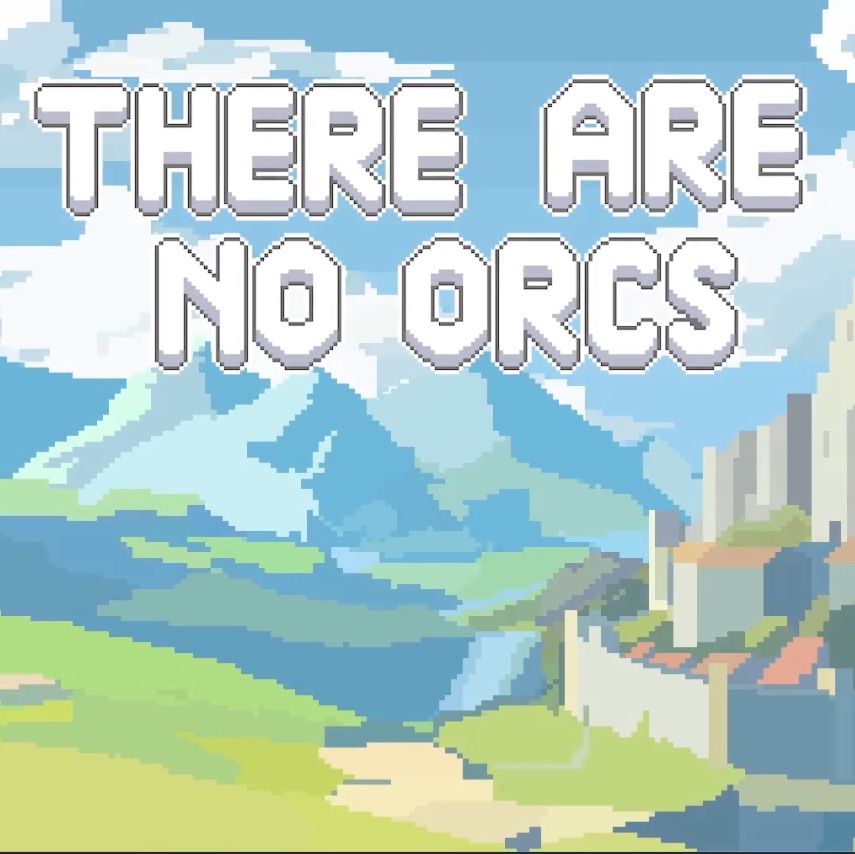
There Are No Orcs is an irreverent, tongue-in-cheek RPG that turns traditional fantasy tropes on their head. As a hapless adventurer, you’re tasked with navigating a “peaceful” fantasy realm that—despite its name—is anything but orderly. Goblins, elves, dwarves, and magical mishaps abound, and your role is often less hero and more unwitting participant in the chaos.
The game’s humor is its defining feature, from fourth-wall-breaking dialogue to absurd questlines that parody classic RPG conventions. At its core, however, There Are No Orcs still delivers a solid first-person RPG experience with exploration, combat, and a surprising amount of depth hidden beneath its comedic surface.
Story & Setting
True to its title, there are indeed no orcs—but the world is far from safe. The kingdom of Fairvale is populated with eccentric characters, bizarre monsters, and NPCs with more personality than plot sensibility. Your journey begins with a simple quest—delivering a message—but quickly escalates into ridiculous side adventures: rescuing a sentient chicken from a bureaucracy, helping a wizard retrieve a cursed beard, or inadvertently starting a food fight that escalates to political turmoil.
The story is intentionally chaotic and comedic, with light overarching goals binding the absurdity together. While it won’t win awards for narrative depth, it thrives in creating a playful and unpredictable world where the unexpected is routine. For players seeking humor, it’s a consistently entertaining experience, though those who prefer serious storytelling may find the tone jarring.
Gameplay: Combat, Exploration, and Quests
There Are No Orcs combines first-person RPG mechanics with sandbox-style freedom.
Combat:
Combat is simple but satisfying, leaning heavily on melee weapons and basic magic. Players can swing swords, hurl spells, or improvise with environmental objects—chairs, pots, and even chickens can become weapons in the right context. While not as mechanically deep as dedicated action RPGs, combat is entertaining due to its unpredictability and the occasional comedic outcome, such as a fireball hitting a stack of pies instead of the enemy.
Exploration:
The world of Fairvale is charming and full of secrets. From bustling towns to hidden caves, every area offers collectibles, mini-puzzles, and NPC encounters that range from helpful to absurdly frustrating. The game rewards curiosity, with humorous discoveries hidden in corners or tucked behind interactive objects. Players are encouraged to explore thoroughly, as quests often branch depending on the choices made during exploration.
Quests & Progression:
Quests are where the game truly shines. They range from traditional fetch tasks to hilarious multi-step scenarios that require creative thinking and interaction with multiple NPCs. Progression isn’t about stats alone; your reputation and choices influence how NPCs react and how certain events unfold. For example, failing a seemingly trivial task may result in a minor village rebellion or a bounty being placed on your head, adding both humor and consequence to your actions.
Abilities & Customization:
Character progression is light but functional. You unlock new abilities, spells, and equipment gradually, each with comedic flair. Magic spells often have amusing side effects, such as summoning a rain of cupcakes or transforming enemies into harmless objects. Equipment upgrades balance practical utility with humor, reinforcing the game’s whimsical tone.
Visuals & Audio
Visually, the game leans into a vibrant, cartoony aesthetic that complements its comedic narrative. Colors are bold, characters are exaggerated, and animations exaggerate movements for comedic effect. The environment design supports both exploration and humor: unexpected pop-up animations, interactive objects, and clever visual gags are everywhere.
Audio enhances the whimsical atmosphere. The soundtrack mixes orchestral adventure motifs with quirky, playful tunes, adjusting dynamically to combat, exploration, and scripted events. NPC voices are expressive and comedic, with well-timed dialogue and improvised lines adding charm. Environmental sounds—clanging pots, clucking chickens, and accidental spell effects—also contribute to immersion and humor.
Strengths & Weaknesses
Strengths:
- Consistently funny and playful world with strong comedic writing
- Creative and varied quests that subvert RPG tropes
- Interactive environments that encourage exploration and improvisation
- First-person combat is approachable yet entertaining
- Vibrant visuals and whimsical audio that complement the gameplay
Weaknesses:
- Narrative depth is minimal; humor may not appeal to all players
- Combat mechanics are basic and may feel repetitive to action RPG veterans
- Some side quests can be obtuse or reliant on trial-and-error
- Occasionally, the chaos can make it difficult to track objectives
Final Thoughts & Score
There Are No Orcs is an unapologetically funny, chaotic, and charming RPG that excels at humor-driven gameplay. It delivers a first-person adventure filled with exploration, interaction, and absurd quests that reward creativity and curiosity. While it doesn’t provide deep narrative or combat complexity, the game thrives in its unpredictable, whimsical world and offers memorable experiences through comedic scenarios and inventive quest design.
For players who enjoy lighthearted RPGs, sandbox-style humor, and absurd storytelling, There Are No Orcs is a delightful ride. For those seeking serious RPG narratives or mechanically deep combat, it may feel more like a novelty—but a highly entertaining one.