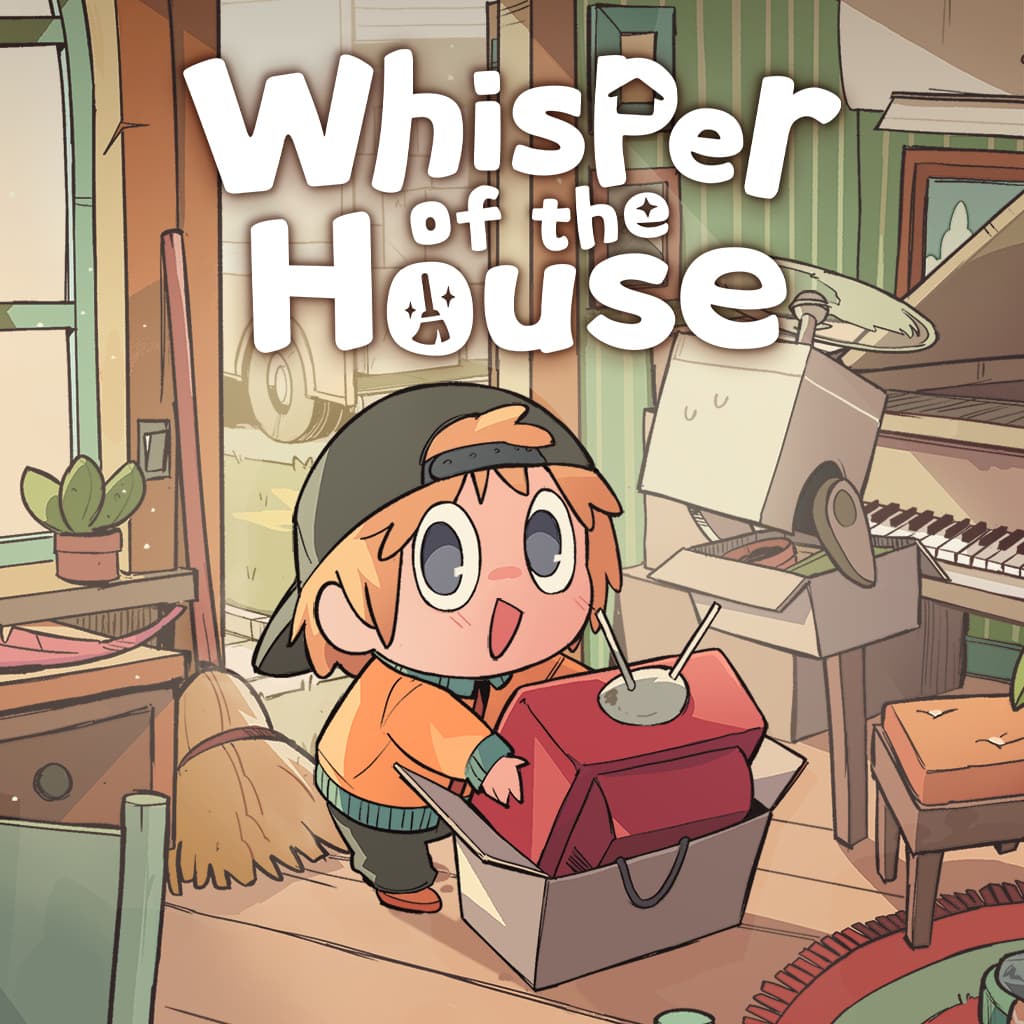
The cosy gaming genre has exploded in recent years, yet standing out has become increasingly difficult. Farming sims, decorating games, and life simulators arrive on digital storefronts almost weekly, each promising comfort, creativity, and relaxation. Whisper of the House enters this crowded space with a familiar premise, asking players to organise homes, decorate rooms, and help a small community rebuild their lives. At first glance, it appears to follow a well-worn path, but beneath its gentle exterior lies a surprisingly compelling mystery that gives the experience a unique identity.
Developed by GD Studio, Whisper of the House places players in the role of a volunteer housekeeper who has recently arrived in the picturesque Whisper Town. Armed with little more than enthusiasm and an eye for organisation, you begin accepting requests from local residents for help with cleaning, moving, and arranging their homes and businesses. It sounds simple enough, yet the game quickly shows that these spaces are more than collections of furniture and belongings. Every room reflects the person who inhabits it, and every job reveals another piece of the town’s larger story.
The result is a cosy adventure that often feels warm and comforting while quietly encouraging players to look beneath the surface. What begins as a relaxing decorating game slowly evolves into something far more intriguing.
The Art of Putting Things in Their Place
The core gameplay loop centres on organising spaces and arranging objects within them. Each morning, new requests arrive via your mailbox, sending you to various locations across the town. One assignment may involve helping a family settle into a new home, while another asks you to organise a bakery, music shop, or beachside retreat. Every environment offers a fresh set of objects to unpack and arrange.
Unlike many organisation games that overwhelm players with large inventories, Whisper of the House introduces items through a charming robot assistant. Objects arrive one at a time, allowing you to focus on placement without feeling rushed or buried beneath endless menus. This simple design decision creates a surprisingly relaxing rhythm. Rather than becoming a frantic exercise in inventory management, each task feels thoughtful and deliberate.
There is genuine satisfaction in transforming cluttered spaces into welcoming environments. Finding the perfect spot for a bookshelf, arranging kitchen utensils neatly, or creating a cosy reading corner becomes oddly rewarding. The game understands that organisation itself can be enjoyable when given the space to breathe.
What makes these tasks particularly engaging is their connection to the people you’re helping. Each object feels meaningful because it belongs to someone. You are not simply decorating rooms for the sake of aesthetics. You are helping create homes.
A Town Filled With Character
Whisper Town itself is one of the game’s greatest achievements. The entire world is rendered in beautiful pixel art that immediately radiates warmth and personality. Streets glow beneath lantern light in the evening, shop windows illuminate nearby pathways, and every district feels carefully designed rather than procedurally assembled.
The day-and-night cycle adds another layer of atmosphere. Familiar locations take on entirely different moods depending on the time of day, encouraging players to spend time simply wandering through the environment. Few cosy games make exploration feel this naturally inviting.
The attention to detail is particularly impressive. Clothes sway when hung on racks, musical instruments can be interacted with, and gramophones fill rooms with pleasant melodies. Small touches like these may not affect gameplay directly, but they contribute enormously to the world’s sense of life and authenticity.
As the hours pass, Whisper Town begins to feel less like a game environment and more like a place. That sense of immersion becomes one of the experience’s strongest assets.
Building A Home Of Your Own
While helping townspeople forms the bulk of the adventure, Whisper of the House also offers players opportunities to personalise their living space. Throughout the game, furniture, decorations, wallpapers, plants, and countless cosmetic items can be unlocked through exploration, purchases, and hidden discoveries.
This progression system gives players a constant incentive to engage with the wider world. Exploring recycling bins, visiting market stalls, and uncovering hidden secrets often yield new decorative rewards. Before long, your home becomes a reflection of your tastes and creativity.
The sheer variety of available items is impressive. Whether you prefer minimalist interiors, cosy cottage aesthetics, colourful plant collections, or eclectic furniture combinations, the game provides enough options to support a wide range of creative visions. It never reaches the complexity of dedicated interior design simulators, but it offers more than enough freedom to feel meaningful.
Importantly, decorating never feels mandatory. It remains a relaxing side activity that complements the broader experience rather than overwhelming it.
When Comfort Gives Way To Curiosity
For much of its opening hours, Whisper of the House appears content to remain a straightforward cosy simulator. Then strange things begin to happen. Mysterious letters appear. Unusual numbers materialise in unexpected places. Rumours circulate throughout the town. As players continue exploring, it becomes increasingly clear that something unusual lurks beneath Whisper Town’s charming exterior.
Without spoiling the larger narrative, the game gradually introduces supernatural and psychological elements that significantly alter its tone. Ghostly encounters, bizarre anomalies, and reality-bending discoveries begin to creep into the experience. What initially felt like a peaceful slice-of-life adventure slowly transforms into a mystery that demands answers.
This narrative shift will undoubtedly divide players. Some may prefer their cosy games free from darker themes and unsettling undertones. Others will appreciate the added intrigue and sense of discovery. Personally, I found the mystery fascinating. It provides an excellent counterbalance to the decorating mechanics and ensures there is always another question waiting to be answered.
The storytelling succeeds largely because it never abandons its emotional core. Even when events become strange, the focus remains on people, relationships, and the spaces they inhabit.
A Few Cracks In The Foundation
As charming as Whisper of the House can be, it occasionally undermines its own strengths. The most noticeable issue stems from inconsistent mission design. Some assignments offer tremendous creative freedom, allowing players to arrange spaces as they see fit. These moments are easily the game’s strongest. Unfortunately, other tasks rely on rigid placement requirements that force items into predetermined locations.
Rather than encouraging creativity, these sections become exercises in following instructions. The shift can feel jarring after experiencing the freedom elsewhere. It is difficult not to wish the game trusted players more consistently.
The progression requirements for reaching the true ending also feel somewhat excessive. Players must hunt down numerous hidden anomalies throughout the town, turning what is otherwise a relaxed experience into a more demanding completionist challenge. While the additional exploration adds longevity, it can occasionally disrupt the game’s natural pacing. Thankfully, neither issue is severe enough to overshadow the experience as a whole.
Final Verdict
Whisper of the House succeeds because it recognises that homes are deeply personal spaces. Every object, photograph, and piece of furniture contributes to a larger story about the people who live there. By transforming organisation into storytelling, GD Studio has created an experience that feels genuinely heartfelt.
The decorating mechanics are satisfying, the pixel-art presentation is beautiful, and the town itself is packed with enough personality to keep players invested throughout the journey. The unexpected mystery adds depth to what could have been a far more conventional cosy game, creating a sense of curiosity that lingers long after the credits roll.
While occasional restrictions on player creativity and a somewhat demanding true ending prevent it from reaching the very top tier of the genre, Whisper of the House remains an easy recommendation for fans of cosy adventures. It is a game about helping people, uncovering secrets, and finding meaning in the spaces we create for ourselves and others. Sometimes the quietest stories leave the strongest impression. Whisper of the House understands that better than most.