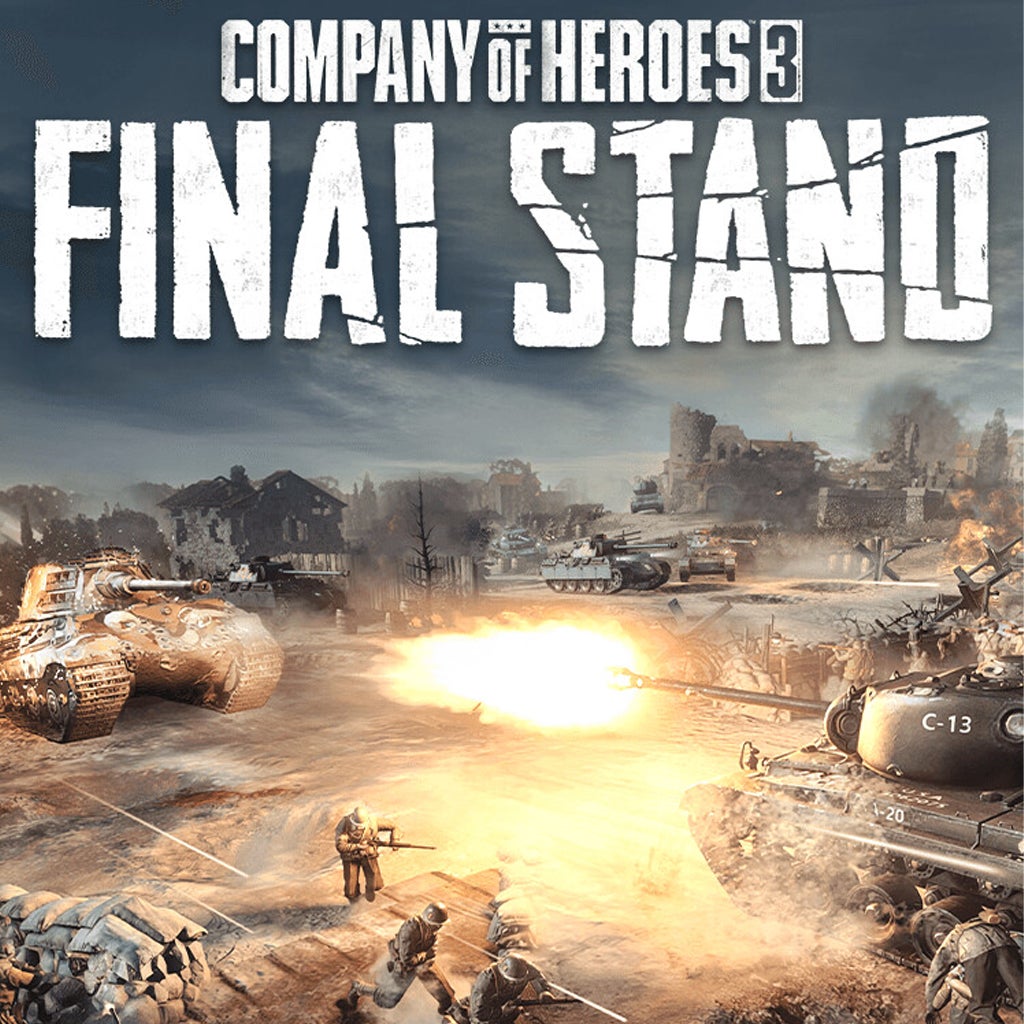
Real-time strategy games are at their best when they create stories players never expected to tell. A lone anti-tank gun surviving impossible odds, engineers desperately repairing a burning tank under heavy fire, or infantry making one last stand as artillery rains down around them are the moments that stay with you long after the battle ends. Company of Heroes 3: Final Stand is built entirely around those unforgettable situations, stripping away lengthy campaigns and sprawling battlefields to focus on one simple objective: survive.
Developed and published by Relic Entertainment, Final Stand is a standalone experience that does not require ownership of Company of Heroes 3. Rather than feeling like a small side mode spun into a separate release, it successfully reshapes the series’ familiar tactical foundations into a roguelite survival experience. The result is a surprisingly addictive blend of careful planning, frantic battlefield adaptation and long-term progression that keeps every failed defence feeling like another lesson rather than a wasted effort.
Familiar Foundations With A Fresh Twist
Anyone who has spent time with Company of Heroes will immediately recognise the fundamentals. Cover remains essential, positioning matters enormously, and every squad is a valuable asset rather than another expendable unit. Tanks remain terrifying when used correctly, machine guns can still dominate entire approaches, and poor planning is swiftly punished.
Where Final Stand differs is in its relentless pacing. Instead of advancing across large maps to capture objectives, you establish a defensive position and prepare for wave after wave of increasingly dangerous enemy assaults. Every brief pause between attacks becomes an opportunity to reinforce your lines, reposition units, and decide how best to spend your newly earned rewards before the next storm arrives.
The format works remarkably well because it distils everything enjoyable about Company of Heroes into a concentrated tactical challenge. There is very little downtime, ensuring every decision carries genuine importance.
Every Run Tells A Different Story
The roguelite structure proves to be far more than a fashionable addition. After each completed wave, players select from a random selection of reinforcements, passive upgrades or battlefield abilities. One run might transform your infantry into hardened veterans supported by devastating artillery strikes, while another encourages aggressive armoured tactics backed by resilient defensive structures.
Because these upgrades vary from run to run, familiar maps rarely play out in exactly the same way. Success depends on adapting your strategy to the tools available rather than chasing a single optimal build.
It delivers exactly the kind of replayability a survival-focused strategy game needs. Defeat rarely feels frustrating because there is always another combination waiting to be explored.
Four Armies, Four Very Different Experiences
Final Stand features four playable factions, each retaining the unique identity that has defined the series for years. The American forces excel through flexibility and combined-arms tactics, allowing players to respond dynamically as battle conditions evolve. The British remain defensive specialists, turning carefully prepared positions into nearly impenetrable strongholds. Wehrmacht commanders benefit from disciplined combined formations, while the Deutsches Afrikakorps favours mobility and aggressive battlefield control.
Persistent progression further distinguishes these armies. Each faction has its own upgrade tree, unlocking meaningful improvements that go beyond simple numerical bonuses. New commander abilities, specialised perks and strategic enhancements steadily expand your options across future runs. This progression gives every completed battle lasting value, even when ultimate victory remains frustratingly out of reach.
The Pressure Never Lets Up
The greatest strength of Final Stand is how it steadily builds tension without ever feeling unfair. Early waves give players time to establish defensive positions and become familiar with the battlefield. Before long, heavier armour arrives alongside elite infantry, supported by devastating artillery and specialised boss units capable of dismantling carefully constructed defences in moments.
These boss encounters inject welcome variety into each campaign. Rather than simply increasing enemy numbers, they introduce unique tactical problems that demand immediate adaptation. Ignoring them is rarely an option, yet focusing exclusively on the boss often leaves your defensive line vulnerable elsewhere. The balancing act between preserving your core force and responding to new threats creates genuinely exhilarating moments.
Battlefield Events Keep You Guessing
Complementing the escalating enemy pressure are dynamic battlefield events that ensure no two matches unfold the same. Unexpected environmental changes, shifting objectives and surprise enemy deployments regularly disrupt carefully prepared strategies. These moments force players to think quickly, adjusting defensive priorities rather than relying on memorised routines.
The system succeeds because it creates uncertainty without descending into chaos. Every event feels like another battlefield complication rather than random punishment, reinforcing the constant sense that commanders must adapt under pressure. Combined with the randomised progression system, these events dramatically improve the game’s longevity.
Cooperative Play Brings Out The Best
Although Final Stand works perfectly well as a solo experience, it arguably shines brightest when played cooperatively. Sharing defensive responsibilities with another commander naturally creates memorable moments of teamwork. One player can reinforce vulnerable sectors while another focuses on armour, artillery or repairing damaged fortifications. Communication proves every bit as valuable as battlefield awareness, particularly during the final waves when multiple threats emerge simultaneously.
Unlike competitive multiplayer, cooperative survival fosters a sense of shared responsibility. Victories feel earned together, while defeats usually prompt immediate discussions about what could be improved in the next attempt. It captures the cooperative spirit that has long been one of the franchise’s greatest strengths.
Presentation Remains Impressively Strong
Relic’s battlefield presentation continues to impress. Explosions scatter debris across defensive positions, artillery leaves deep scars across the landscape, and tanks thunder convincingly through muddy terrain. Every battlefield gradually transforms as buildings collapse, defensive lines crumble, and craters replace carefully prepared fortifications.
Sound design deserves equal praise. Weapons feel satisfyingly weighty, while incoming artillery creates genuine urgency as shells whistle overhead. The newly recorded announcer performances inject additional personality into every match, keeping players informed without becoming repetitive. Even after numerous attempts, battles retain the cinematic quality that has always distinguished Company of Heroes from many of its strategy rivals.
A Few Weak Spots
While the core gameplay loop remains highly engaging, there are areas where Final Stand occasionally feels limited. Five maps provide solid variety at first, yet experienced players may eventually recognise optimal defensive positions and familiar attack routes. Additional battlegrounds released over time would greatly extend the game’s already impressive replay value.
Likewise, players expecting a traditional Company of Heroes campaign, complete with narrative missions and large-scale offensives, may initially struggle with the narrower survival focus. This is very much a game built around repeated mastery rather than cinematic storytelling. Fortunately, those limitations stem more from the intentionally focused design than from any lack of ambition.
Final Verdict
Company of Heroes 3: Final Stand successfully transforms one of strategy gaming’s most respected franchises into an engaging roguelite survival experience without sacrificing the tactical depth that made the series famous. Every wave demands careful preparation, every reward encourages meaningful experimentation, and every defeat teaches valuable lessons that improve future attempts.
The combination of persistent progression, dynamic battlefield events and faction-specific upgrades gives the experience remarkable longevity, while cooperative play elevates already intense battles into unforgettable defensive struggles. Whether you are desperately repairing tanks under enemy fire, repositioning machine guns seconds before an assault, or celebrating the survival of your final squad against overwhelming odds, Final Stand consistently creates the sort of emergent battlefield stories that strategy fans cherish.
It may not replace the traditional campaign-driven structure many associate with Company of Heroes, but it never tries to. Instead, it confidently carves out its own identity, delivering an endlessly replayable tactical challenge that rewards adaptability, patience and clever battlefield command. For veterans and newcomers alike, this is a fresh and thoroughly entertaining way to experience one of real-time strategy’s finest combat systems.