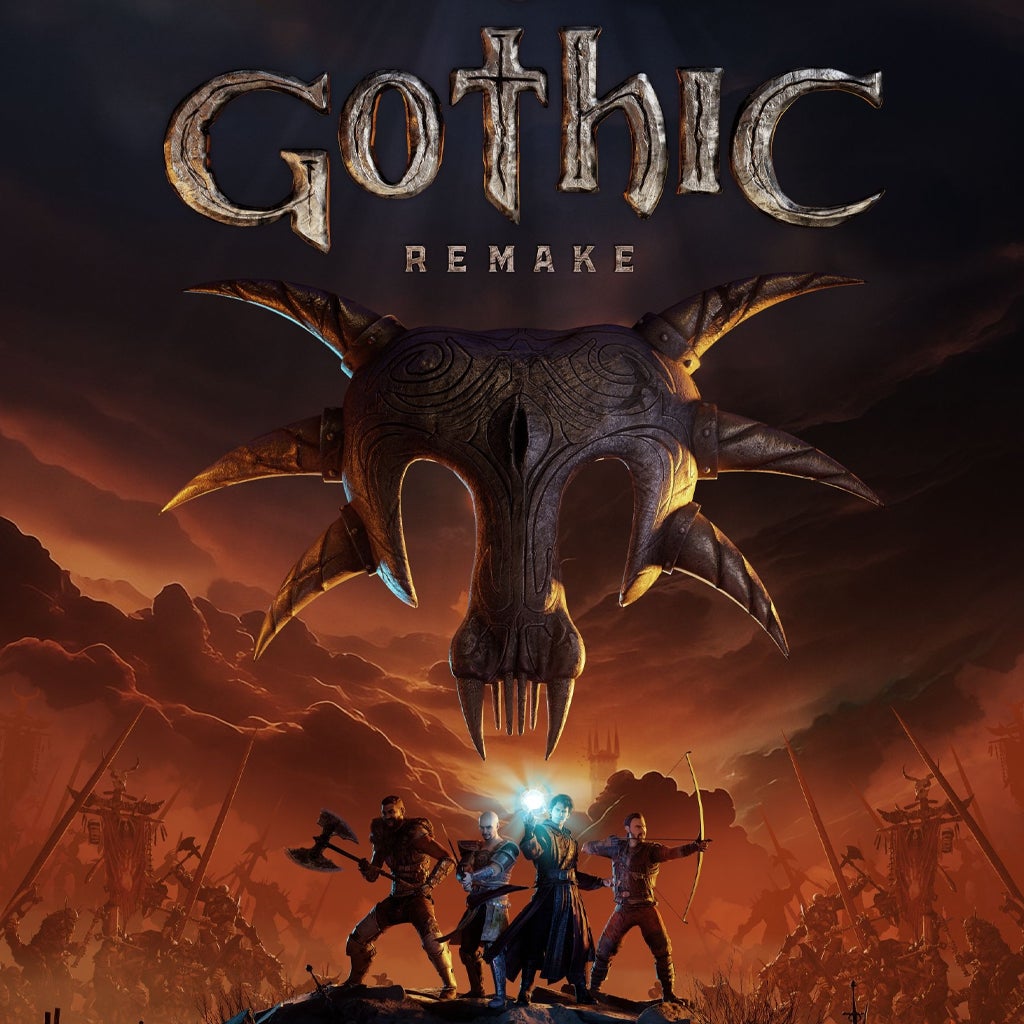
Some role-playing games leave fingerprints on an entire genre. While names like The Elder Scrolls and The Witcher often dominate discussions today, Gothic remains one of the most influential RPGs ever made. When it launched in 2001, it offered something markedly different. Its world did not bend to the player. Its characters did not instantly treat you as a hero. Its dangers were real, and progress had to be earned through persistence, curiosity, and survival.
Over the years, Gothic developed a passionate fanbase that continued to celebrate its unique approach to world-building long after many of its contemporaries had faded into obscurity. The prospect of a full remake therefore carried enormous expectations. Fans wanted the atmosphere preserved. Newcomers needed an experience that felt modern enough to stand alongside today’s biggest RPGs. It was a difficult balancing act, but one Alkimia Interactive has approached with impressive confidence.
Rather than reinventing Gothic, the studio has focused on understanding why it mattered in the first place. The result is a remake that respects its source material while making meaningful improvements where they are most needed. It captures the spirit of the original adventure without being trapped by it.
Welcome to the Colony
The premise remains as compelling today as it was twenty-five years ago. The Kingdom of Myrtana is locked in a desperate war against the orcs, forcing King Rhobar II to rely heavily on magical ore mined in the Valley of Mines. To prevent escape, a magical barrier is erected around the colony. The spell catastrophically backfires, trapping not only the convicts but also the guards and mages inside.
What follows is one of the most memorable settings in RPG history. The prisoners revolt, overthrow their captors, and establish a brutal society within the Barrier. Three rival factions emerge, each with its own ideology, leadership, and ambitions. Into this volatile environment arrives the Nameless Hero, a convict with no status, no allies, and no special privileges.
One of the remake’s greatest strengths is how effectively it conveys the harsh reality of life inside the Colony. Nobody cares who you are when you arrive. Guards mock you. Camp leaders dismiss you. Even basic wildlife can end your journey if you wander into the wrong area. The game immediately establishes that survival is something you must earn rather than something the story guarantees.
A World That Lives Without You
Many modern open-world games claim to feature living worlds, yet few match the immersion Gothic delivers. The Colony feels alive because its inhabitants behave as though they have lives beyond your presence. Workers follow daily schedules. Hunters venture into dangerous territory. Merchants conduct business. Camp residents gather around fires at night to eat, drink, and argue about the state of the world.
These routines existed in the original game, but the remake expands them significantly. Characters seem more aware of their surroundings, camps feel busier, and the social hierarchy becomes easier to grasp simply by observing everyday life. Walking through the Old Camp at dawn or visiting the Swamp Camp after sunset reveals a world that continues to function whether the player is paying attention or not.
That sense of independence remains one of Gothic’s defining qualities. Too many RPGs treat the player as the centre of the universe. Gothic instead asks you to become part of an already existing world. It is a subtle distinction, but one that dramatically enhances immersion throughout the adventure.
Exploration Done Right
Exploration has become a surprisingly complex concept in modern gaming. Many open-world titles overwhelm players with icons, markers, and checklists that strip away much of the excitement of discovery. Gothic 1 Remake takes the opposite approach, trusting players to investigate the world on their own terms.
The Valley of Mines has been beautifully recreated with Unreal Engine 5. Dense forests create a constant sense of unease, while towering cliffs and ancient ruins dominate the horizon. The lighting system transforms familiar locations depending on the time of day, and weather effects add further atmosphere to an already oppressive environment. Every region feels distinct while maintaining the Colony’s gritty visual identity.
The remake also introduces new traversal options that encourage deeper exploration. Hidden caves, forgotten treasures, dangerous encounters, and expanded quest opportunities reward players who stray from the beaten path. Discovering a secret location feels genuinely satisfying because the game rarely points directly towards it. You find things through curiosity rather than obligation, which makes exploration feel meaningful again.
Combat Finds a Better Balance
Combat was one of the most challenging aspects of the remake. The original Gothic featured a notoriously unconventional control scheme that some players adored and others absolutely hated. Preserving that exact system would likely have alienated modern audiences, but removing its tactical depth entirely would have disappointed long-time fans.
Thankfully, the remake strikes an intelligent balance. Combat feels far smoother and more responsive than before, yet it retains the deliberate pacing that defined the original experience. Positioning remains important. Timing still matters. Charging blindly into battle is rarely a good idea, particularly in the early hours when your character remains weak and vulnerable.
Melee combat benefits most from the redesign. Sword fights feel weighty and impactful, while magical abilities and ranged weapons have received substantial quality-of-life improvements. Encounters remain dangerous throughout much of the game, preserving the sense that every victory has been earned. The modernisation never transforms Gothic into an action game. It simply makes the existing systems more accessible and enjoyable.
Factions, Choices, and Consequences
One of Gothic’s greatest achievements is how naturally it integrates player choice into the world. The three major factions are not merely cosmetic alternatives. Joining a camp influences questlines, character relationships, progression systems, and the overall shape of your adventure.
The Old Camp offers stability and structure. The New Camp represents rebellion and ambition. The Swamp Camp embraces faith and mysticism. Each faction offers a distinct perspective on life beneath the Barrier, encouraging players to invest in their chosen path rather than treating the decision as a simple gameplay mechanic.
The remake expands many of these faction-related storylines with additional dialogue, side quests, and character interactions. These additions are respectful of the original material while helping flesh out aspects of the world that previously felt underdeveloped. The Colony’s political landscape becomes richer as a result, adding further depth to an already compelling narrative.
Not Everything Has Been Polished
As impressive as Gothic 1 Remake is, a few issues prevent it from achieving absolute greatness. The most obvious concern is technical performance. Unreal Engine 5 delivers stunning visual fidelity, but there are noticeable frame-rate drops in densely populated areas and occasional stutters during exploration. None of these issues are severe enough to ruin the experience, but they are difficult to ignore.
The game’s old-school design philosophy may also prove divisive for newcomers. Gothic offers very little hand-holding, often expecting players to pay close attention to conversations and environmental clues. Quest markers are limited, guidance is minimal, and mistakes can carry significant consequences. Veterans will likely appreciate this commitment to player agency, but some modern players may find it frustrating.
The difficulty can also be surprisingly unforgiving in the opening hours. Early encounters frequently punish recklessness, and progression requires patience rather than brute force. While this challenge is entirely intentional, it may create a steep learning curve for players unfamiliar with Gothic’s unique approach.
Final Verdict
Gothic 1 Remake succeeds because it understands what made the original special. Rather than sanding away its rough edges in pursuit of mass appeal, Alkimia Interactive has preserved the game’s identity while carefully modernising the areas that genuinely needed improvement. The result feels authentic, confident, and refreshingly uncompromising.
The Colony remains one of the most immersive settings in role-playing game history. Its living world, meaningful exploration, faction politics, and rewarding progression systems continue to stand out from much of the competition. Combined with excellent visual upgrades, improved combat, and expanded world-building, this remake delivers exactly what fans hoped for and offers an accessible entry point for newcomers.
Technical issues and a demanding learning curve occasionally hold it back, but they are minor blemishes on an otherwise outstanding achievement. Gothic 1 Remake is more than a successful revival. It is proof that some classic design philosophies remain as powerful today as they were a quarter of a century ago.