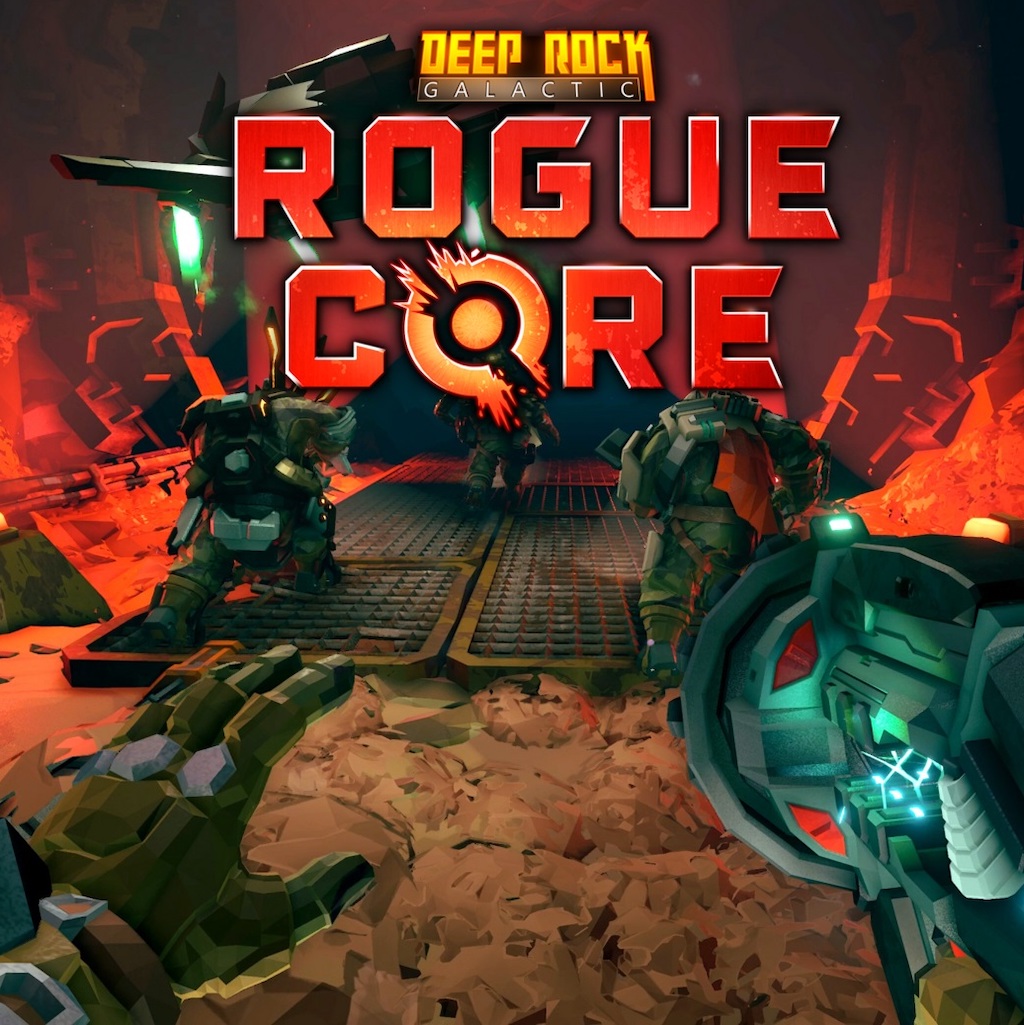
Few cooperative games have built a community quite like Deep Rock Galactic. Ghost Ship Games created something special with its blend of mining, exploration, procedural caves, and relentless alien swarms. More importantly, it created a game built on camaraderie. Every successful mission felt earned because it relied on teamwork, quick thinking, and a shared willingness to shout “Rock and Stone” at every opportunity.
Deep Rock Galactic: Rogue Core does not try to repeat that formula exactly. Instead, it strips players of their comfort zone and rebuilds the experience through a roguelite lens. Set after the catastrophic event known as The Grayout, the game casts players as the Reclaimers, an elite recovery unit sent beneath Hoxxes IV to uncover what happened after communication with the mining operations collapsed. The deeper you travel, the more obvious it becomes that something has changed beneath the planet’s surface. The result is a game that feels familiar at first glance yet surprisingly different once the descent begins.
A New Kind of Expedition
The biggest shift comes from progression. Traditional loadouts and carefully tuned builds are gone at the start of each run. Instead, players enter missions with basic equipment and must discover weapons, upgrades, abilities, and enhancements during the expedition.
That change immediately transforms the pacing. In the original game, veterans often entered missions with established strategies and clearly defined roles. Rogue Core forces adaptation. One run may turn your squad into an unstoppable force, loaded with powerful combinations, while another becomes a desperate struggle, held together by whatever equipment you happen to find.
It creates unpredictability in the best possible way. Every descent feels uncertain, and that uncertainty is exactly what gives these caves their tension again. Even experienced players quickly lose the sense of comfort they built over years with the original game.
The improvisational nature of each mission also means memorable stories emerge naturally. A run can swing from confidence to panic in seconds, particularly when resources become scarce and escape routes disappear beneath incoming swarms.
Meet the Reclaimers
Replacing the classic classes was always going to be a risky move, as the original lineup had become iconic. Thankfully, the Reclaimers justify their existence by offering genuinely fresh tactical options.
Guardian fills the defensive role with armour support and crowd-control abilities that help stabilise chaotic encounters. Falconer leans into utility with drone support and long-range recovery tools that keep teams functioning during extended fights. Both feel accessible and familiar enough for returning players.
The more experimental designs stand out most. Retcon manipulates time itself, allowing players to rewind and recover lost health or ammunition. It creates fascinating risk-and-reward decisions in combat and gives firefights a layer of tactical flexibility that feels completely new.
Slicer moves in the opposite direction, focusing on aggressive melee combat. Armed with an energy blade and exceptional mobility, this class turns close-quarters fights into a frantic dance through enemy lines. It feels dangerous, fast, and immensely satisfying once mastered. Importantly, none of these roles feel isolated. Team synergy remains essential, preserving the cooperative identity that defines the series.
The Caves Still Belong to Hoxxes
Procedural cave generation remains one of the franchise’s greatest strengths, and Rogue Core continues that tradition beautifully. Every mission generates unpredictable spaces full of verticality, hidden passages, narrow tunnels, and enormous caverns waiting to be carved apart.
Terrain destruction remains central to the experience. Digging emergency escape routes, reshaping battlefields, and creating shortcuts through solid rock still feel fantastic. Few games make environmental interaction this meaningful.
What changes is the pressure on exploration. Time now works against you. Staying underground for too long increases enemy activity and environmental danger, pushing players forward rather than encouraging endless resource gathering.
This subtle adjustment dramatically changes mission flow. There is now genuine tension between greed and survival. Do you keep searching for upgrades and materials, or do you extract before the cave becomes unmanageable? That question hangs over every expedition.
The Core Spawn Change Everything
The newly introduced Core Spawn enemies deserve enormous credit for immediately establishing themselves as a serious threat. Classic glyphids were dangerous because of their numbers and aggression. Core Spawn feel more intelligent. They pressure defensive positions more effectively, react aggressively, and punish hesitation with frightening efficiency.
As a result, encounters become less predictable. Defensive strategies that worked comfortably in the original game often collapse under pressure here. Teams need to communicate constantly and adapt in real time.
Some of the best moments emerge from complete disaster. Carefully planned strategies suddenly fall apart, teammates become separated, resources vanish, and panic sets in. Yet somehow those chaotic recoveries often become the stories players remember most. The tension feels earned because failure always feels possible.
Early Access Shows Beneath the Surface
As impressive as Rogue Core already is, it remains clearly unfinished. Content variety feels limited after longer sessions. The procedural nature helps maintain freshness, but enemy diversity, mission structure, and environmental variety still need expansion to support long-term replayability.
Balance also requires work. Certain upgrades dramatically outperform others, occasionally resulting in wildly uneven runs. Some expeditions create exhilarating power fantasies, while others feel underdeveloped due to limited progression opportunities.
There are moments when pacing dips as players search for objectives or wait for momentum to return. These sections never derail the experience entirely, but they remind you that this project is still evolving.
Fortunately, Ghost Ship Games has a strong history of community support and long-term improvement. The foundations here feel sturdy enough to inspire confidence.
Atmosphere Beneath the Stone
Perhaps the greatest surprise is how effectively Rogue Core shifts tone. The original game balanced danger with humour and warmth. Those elements remain, but the atmosphere leans darker. The caves feel heavier. The silence between battles feels longer. Distant sounds echo with unsettling weight through the darkness.
The lighting work deserves particular praise. Flashlights carve narrow paths through pitch-black tunnels while enemy silhouettes emerge from the shadows with startling clarity. Exploration often feels uneasy, even before combat begins.
Yet despite that darker atmosphere, the spirit of Deep Rock Galactic endures. Moments of levity still emerge naturally between teammates. The familiar sense of camaraderie remains intact. It still feels like Deep Rock. It just feels more dangerous.
Final Verdict
Deep Rock Galactic: Rogue Core succeeds by understanding what players loved about the original without relying on familiarity alone. The roguelite structure restores uncertainty. The Reclaimers introduce meaningful new tactics. Procedural exploration remains exceptional, while the Core Spawn add genuine threat and unpredictability to combat.
Early Access limitations are evident. Content breadth needs expansion, balance requires refinement, and some systems still need time to mature. Even so, the foundations are remarkably strong. This feels less like a side project and more like an ambitious reinvention built on the same cooperative soul. The caves of Hoxxes are dangerous again, and somehow that makes returning feel exciting all over again.