
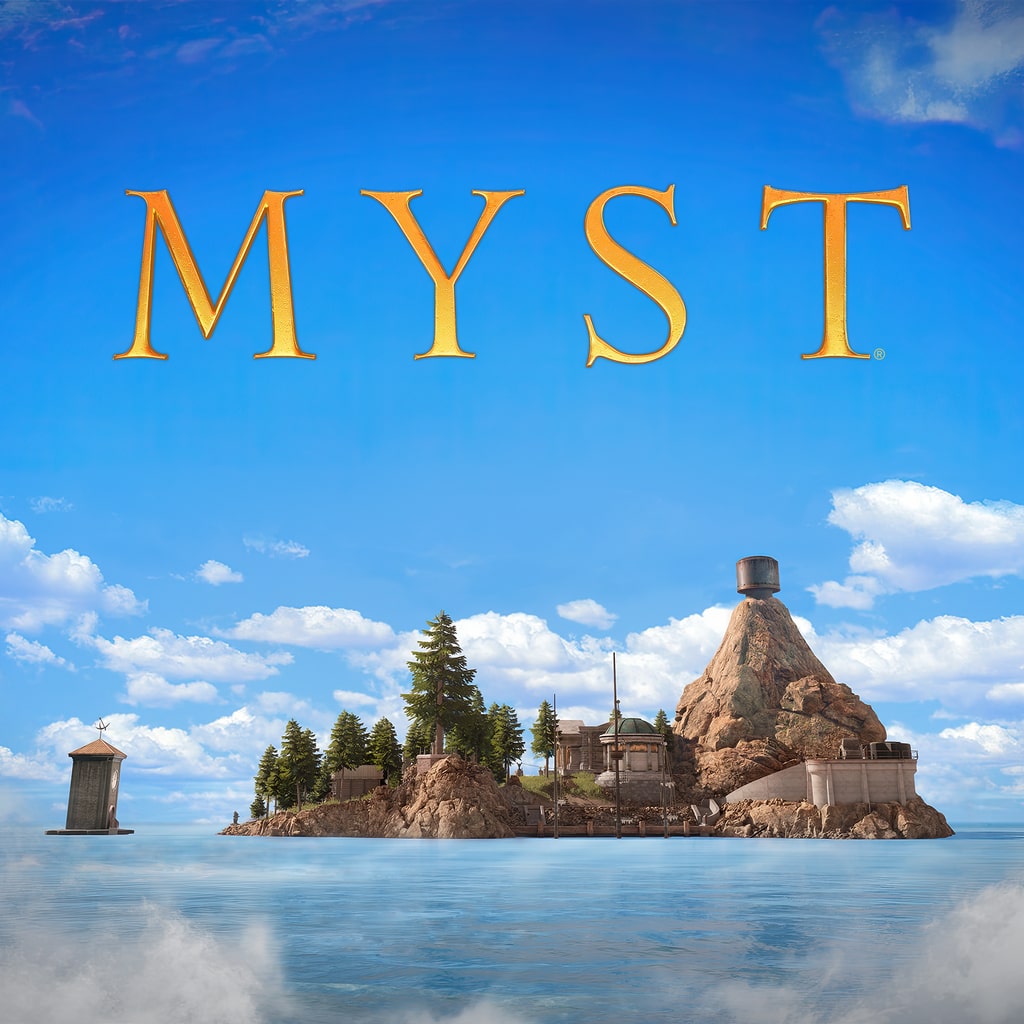
Some games feel tied to the era that created them. Others quietly step beyond time. Myst has always belonged to the second group. Back in the early 1990s, it arrived like something from another world. While other games chased explosions, score counters, and arcade reflexes, Myst asked players to slow down, observe, and think. It trusted curiosity. It trusted silence. More importantly, it trusted players enough not to explain everything.
More than thirty years later, Cyan Worlds has returned to its defining creation and rebuilt it from the ground up. This modern version of Myst is not simply a visual facelift or nostalgic remaster. It is a careful reimagining that preserves the original’s soul while gently modernising its edges for contemporary audiences. The remarkable thing is that Myst still works. Perhaps even better than ever.
An Island Built From Questions
The opening remains iconic. You discover a mysterious book. You touch it. Suddenly you stand alone on an island unlike anything you have seen before. Strange machinery hums in the distance. Massive gears turn without explanation. A lighthouse rises above the sea. Nobody greets you. No objective marker appears. The game simply asks one thing: Explore.
That sense of isolation still feels extraordinary today. Modern games often bombard players with tutorials, waypoints, quest logs, and exposition. Myst strips away almost all of that. The island exists independently of you. It does not care whether you understand it yet. Somehow, that makes exploration feel even more personal. Every switch matters because you chose to touch it. Every discovery belongs to you because nobody told you where to look.
The central mystery gradually unfolds through journals, environmental clues, and the fractured history of Atrus and his family. Themes of betrayal, obsession, ambition, and consequence quietly emerge beneath the puzzle framework. Even now, the storytelling feels elegant. Nothing is wasted.
Puzzles That Respect Intelligence
The real heart of Myst has always been its puzzles. This remains one of the few adventure games in which solutions feel naturally woven into the world itself. Machines are not puzzles because someone built them to challenge players. They are puzzles because they serve purposes within the world. You study sound cues. Observe star patterns. Examine mechanical systems. Connect clues across different Ages. The brilliance lies in how the game teaches observation.
At first, you feel lost. Gradually, patterns emerge. Suddenly, details that seemed meaningless become obvious. A note scribbled hours earlier now makes sense. A symbol hidden in plain sight suddenly unlocks progress. Few games create satisfaction quite like that. Importantly, Cyan resisted the temptation to over-modernise these challenges. The puzzles remain thoughtful and occasionally demanding. You are expected to pay attention.
Optional puzzle randomisation is an excellent addition for returning players as well. Veterans cannot simply rely on memory. Familiar solutions shift, restoring the feeling of discovery. It is a small feature with enormous value.
The Ages Remain Mesmerising
The biggest transformation comes through presentation. Rebuilt with modern technology, this version of Myst looks beautiful. Myst Island itself remains hauntingly serene. Ocean waves roll gently against rocks. Sunlight cuts through trees. Metallic structures glint under shifting skies. The island still feels both inviting and unsettling.
Then come the Ages. Each location has its own identity and atmosphere. Mechanical worlds hum with impossible engineering. Forest environments carry a quiet melancholy. Ancient structures suggest forgotten histories.
What impresses most is the restraint. Modern remakes often chase spectacle. Myst still embraces emptiness. Large spaces remain silent. Rooms sit untouched. Nature exists without constant movement. That stillness creates mood. Ray tracing and updated lighting deepen this dramatically. Shadows feel softer. Reflections become more convincing. Interiors gain warmth, while outdoor scenes feel genuinely natural. The world never loses its dreamlike quality.
Sound Design As Storytelling
If visuals create wonder, audio evokes emotion. Myst has always understood silence better than most games. Long stretches contain little more than ambient noise. Wind drifts across empty spaces. Machinery clicks in distant rooms. Water laps quietly against docks. The absence of constant music becomes its own soundtrack.
When musical themes do appear, they land with surprising weight. The score never overwhelms the scenes. It simply nudges emotion into place. The rebuilt soundscape elevates everything further. Footsteps echo differently depending on the location. Mechanical devices carry satisfying weight. Environmental ambience feels richer and more layered. There are moments when you simply stop moving and listen. Not because the game asks you to. Because you want to.
Modern Improvements Without Losing Identity
One of the smartest decisions in this remake is the careful integration of modern features. Movement feels natural whether playing traditionally or exploring more freely. Interaction systems are smoother. Localisation options significantly expand accessibility. The interface remains clean and unobtrusive. Importantly, quality-of-life improvements never undermine the experience. Myst still demands patience and observation. It simply removes unnecessary friction.
Performance is also excellent. Loading is virtually non-existent on PlayStation 5, helping preserve immersion when travelling between Ages. This matters more than it sounds. Myst relies heavily on atmosphere. Interruptions would break that spell. Thankfully, the experience flows beautifully.
The Challenge Of Time
For all its brilliance, Myst will not resonate with everyone. It remains a deliberately slow game. Players expecting constant narrative momentum or modern cinematic pacing may struggle with its quiet approach. Large stretches involve observation rather than action. Progress sometimes requires stepping back mentally and thinking rather than immediately interacting.
Frustration can creep in at times. Certain puzzle chains remain opaque by contemporary standards. Yet oddly, those qualities also define its appeal. Myst asks players to meet it halfway. It demands patience, curiosity, and attention. In return, it offers something increasingly rare: discovery without hand-holding. That exchange still feels refreshing.
A Legacy Reborn
Revisiting Myst today feels almost surreal. So much of modern game design traces its roots back here. Environmental storytelling. World-driven puzzles. Atmospheric exploration. Non-linear discovery. You can see echoes of Myst everywhere. Yet the game itself remains strangely singular.
There is still nothing quite like standing alone on that island, hearing distant machinery turn as you try to understand what happened here. Cyan could easily have turned this remake into nostalgia bait. Instead, they treated Myst with respect. They preserved its mystery, its stillness, and its trust in player intelligence. The result feels timeless. Not old. Timeless.
Final Verdict
Myst remains one of gaming’s most important adventures, and this reimagined version proves why its legacy has endured for decades. The visual overhaul is gorgeous, the audio is exceptional, and the puzzle design still rewards curiosity in ways few modern games attempt. It moves slowly, demands patience, and occasionally resists easy answers, but those qualities are exactly what make it special.
This is not merely a remake. It is a reminder. A reminder that games can be quiet. They can be mysterious. They can trust players to think. And sometimes, that is enough to create magic.












[…] released in 1997 by Cyan Worlds, Riven was the ambitious successor to Myst, expanding its universe into something larger, stranger, and infinitely more atmospheric. Nearly […]