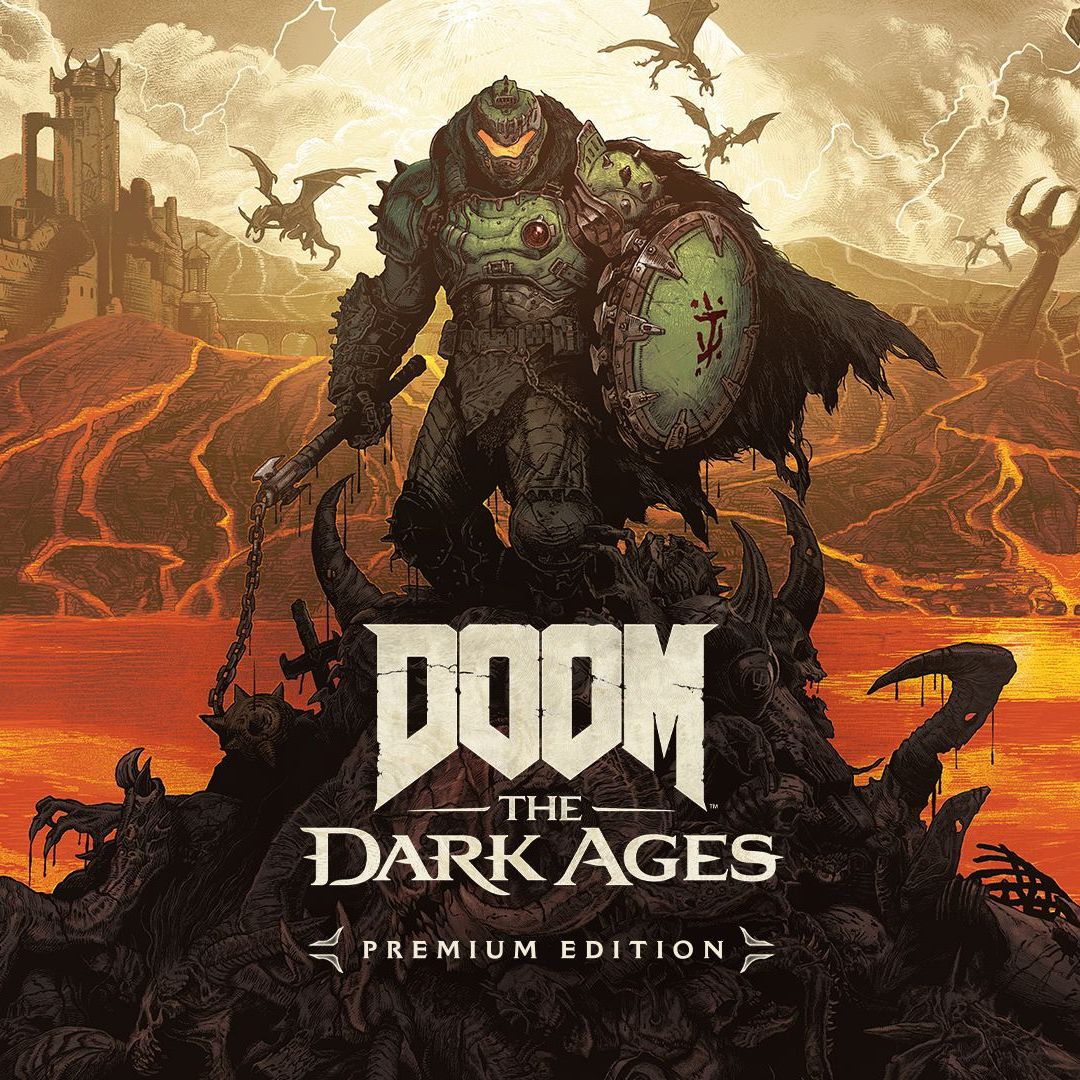
When a franchise as revered and uncompromising as DOOM takes a major leap into new mechanics, the result is bound to polarise. DOOM: The Dark Ages is that leap—id Software’s latest single‑player FPS, which transports the Doom Slayer into a medieval‑inflected war against Hell’s legions. It retains the series’ trademark ferocity, yet shifts the rhythm: heavier combat, a new shield‑and‑parry system, and slower traversal. For many fans, it’s a welcome evolution; for others, a divergence from the lightning‑fast flow of earlier entries.
Setting & Story
Dark Ages plays like a legend of the Slayer’s origin—hewn in war, forged in rage, and unleashed when axes and shields clash with demonic claws. The environments are epic: ruined castles, twisted forests, cursed battlefields, and hellscapes with a mythic twist. The visual direction shifts from sci‑fi hellish factories to archaic battlegrounds, infusing the series with fresh aesthetic energy.
Narratively, the game sticks to DOOM’s minimalist, rage‑fueled style while introducing more thematic weight. It doesn’t delve into long-cut storytelling, yet it frames the Slayer in a different light: not just a machine of destruction, but a primordial weapon. The story delivers moments of spectacle and mythology, though some sequences feel less gripping than the iconic set‑pieces of the series’ prior installments. The pacing occasionally dips in the mid‑game as the narrative takes its time.
Gameplay: Shield, Parry & Slayer Up Close
DOOM: The Dark Ages’ most significant shift is in gameplay. Gone (or heavily reduced) are some of the signature mobility traits—double jumps are absent, dashes are gone, and the Slayer feels heavier. In their place: a large melee shield, parry timing, and a focus on grounded, weighty combat. Blocking attacks, bashing demons with the shield, and countering unleash gutsy new tactics. It’s a welcome change of pace.
Weapons still roar. The super‑shotgun hits like steel, new death‑dealing tools (like the chain‑ball gun) add flavour, and gunplay remains visceral. The combination of gun, shield, and blade gives you more options for tackling encounters. Some fights demand you adapt: parry a bruteslash, plunge into melee, finish with a ballistic blast. It’s satisfying when it works.
Yet this “slower” DOOM has trade‑offs. Without the extra mobility, traversal feels more deliberate, and the pace can feel less “out‑of‑control” than in previous entries. Some boss‑ and dragon‑mounted segments show ambition but occasionally feel less integrated with the core run‑and‑gun DNA. These moments shine in concept but don’t always match the intensity of the franchise’s best script.
The level design is large and bold; arenas feel expansive, packed with secrets, and built for exploration. The upgrade systems reward digging in. Still, the repeated mechanics over many hours begin to show signs of repetition.
Visuals & Audio
Visually, the game is First‑Person Doom at its most muscular. From cracked stone battlements to demonic architecture rising from hell‑fire, the aesthetic is bold and cinematic. On capable hardware, the lighting, particle effects and enemy design shine. On the downside, some environments reuse visual palettes, and some mid‑game areas blend visually.
The soundtrack moves into heavy‑metal territory with pounding riffs and soaring lead guitar, matching the Slayer’s rage. That said, some fans feel the music lacks the distinctiveness of previous DOOM games. The audio of gunfire, flesh‑tearing, demon roars and environmental chaos, however, remains excellent—DOOM still sounds and feels visceral in a way few FPS match.
Replayability & Longevity
Dark Ages isn’t just a one‑run deal. With unlockables, upgrades, hidden challenges and multiple difficulties, you’ll have plenty of reason to return. The sheer variety of weapons and build paths means subsequent playthroughs can feel fresh. Collectibles and branching exploration add depth for completionists.
For players who thrive on high‑speed challenge, the game shines on Ultra Nightmare and higher difficulty tiers, especially as the parry and shield system opens up new layers of mastery. For those who just want to run through the story, you’ll get a solid 12‑20 hours of content. The major question mark: how it holds up long‑term compared with the high replay value of the previous titles’ multiplayer or wave modes. But as a single‑player campaign, it delivers solid value.
Final Verdict
DOOM: The Dark Ages might be the most experimental DOOM in years—and that’s both its strength and its risk. It retools core elements, introduces new mechanics, and offers a different vibe while retaining what made the series great. Some segments don’t quite reach the heights of the series’ best moments, but when it’s at its peak, it hits hard.
If you’re a DOOM veteran expecting the absolute apex of the series, you may find this one imperfect—but if you’re ready to embrace a new direction, it’s one of the most compelling single‑player FPS experiences this year. Whether you’re wielding a shotgun against demon hordes or launching your shield into battle, the Slayer’s journey still rips and tears in thrilling fashion.
A bold reinvention of the Slayer’s saga: heavier, more grounded, and still absolutely punishing—and worthy of going to war one more time.