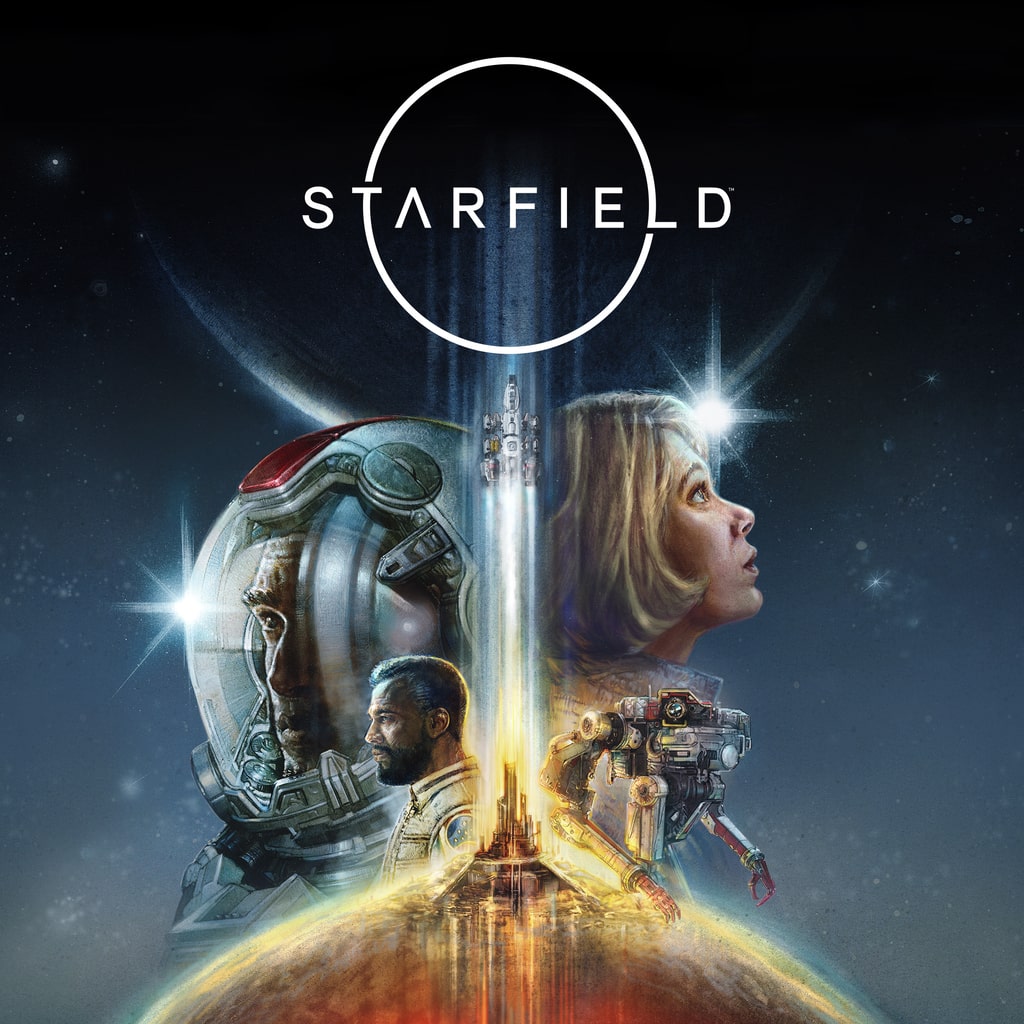
My fascination with the cosmos began long before I picked up a controller, rooted in a childhood bedroom adorned with glow-in-the-dark constellations and a makeshift astronaut suit. I spent years imagining myself as the next Neil Armstrong, staring at the night sky and wondering what might exist beyond it. Because of that, stepping into Starfield felt less like reviewing another RPG and more like finally indulging a lifelong obsession with space exploration. I wanted Bethesda’s sprawling science fiction universe to capture the same sense of awe that defined those childhood dreams. And after years of updates, expansions, and refinement, it finally comes remarkably close.
When Starfield originally launched back in 2023, it carried the weight of impossible expectations. Bethesda pitched it as the next great leap for open-world RPGs, a vast science fiction sandbox built on player freedom and discovery. What arrived was ambitious, fascinating, and often frustrating. There were flashes of brilliance hidden beneath constant loading screens, uneven pacing, and a strange sense of disconnect between its planets and systems.
Three years later, after major updates and the arrival of the PlayStation 5 version, Starfield feels reborn. Not reinvented entirely, but reshaped into something far more immersive and emotionally resonant. The foundation was always strong. Now the experience surrounding it finally feels complete.
This is still unmistakably a Bethesda RPG. NPCs occasionally stare blankly into your soul during conversations. Physics glitches still produce accidental comedy. Animations remain a little stiff at times. Yet those quirks now feel oddly charming rather than distracting because the game around them is finally strong enough to carry the illusion. And what an illusion it can be.
Lost Among The Stars
The Settled Systems remain one of Bethesda’s most ambitious settings. Thousands of planets stretch across the galaxy, ranging from frozen wastelands and abandoned mining colonies to bustling neon-soaked cities alive with commerce and desperation.
The biggest change comes from the 2026 “Free Lanes” update, which dramatically improves how players move through space. Interplanetary travel no longer feels trapped behind menus and loading screens. Flying between worlds now creates an actual sense of distance and journey. Sitting inside your cockpit while a planet slowly grows larger against the darkness fundamentally changes the emotional rhythm of exploration. Space finally feels vast.
There were moments where I ignored quests entirely just to drift through asteroid fields or watch distant suns cast light across barren moons. One particular landing on a lonely ice planet stayed with me long after I shut the game off. The wind howled softly outside my ship while a giant gas planet loomed overhead like something out of a science fiction painting. Nothing attacked me. No objective marker appeared. It was simply me and the silence of space. That quiet wonder is where Starfield shines brightest.
The cities themselves feel richer now too. Neon remains a standout, drenched in sleazy cyberpunk atmosphere and flickering advertisements, while Akila City continues to radiate rough frontier charm. New Atlantis still feels slightly too pristine at times, but the density of NPC activity and environmental storytelling helps it feel more alive than before. For the first time, the galaxy feels connected rather than fragmented.
The Bethesda Magic Returns
What ultimately makes Starfield work is the same quality that made The Elder Scrolls V: Skyrim and Fallout 4 endure for so many years. Bethesda understands the joy of losing yourself inside a world. Hours vanish effortlessly here.
You might begin the evening intending to complete one mission before somehow ending up investigating a distress signal on a remote moon, smuggling contraband across a guarded system, redesigning your ship for two hours, and accidentally joining a pirate faction before midnight.
The faction questlines remain among the game’s strongest content. The UC Vanguard storyline delivers tense military science fiction layered with ethical dilemmas, while the Ryujin Industries missions lean heavily into espionage and corporate manipulation. The Crimson Fleet questline continues to stand tall as one of Bethesda’s best faction arcs in years, forcing players to navigate shifting loyalties and uncomfortable moral compromises.
Even smaller side stories often surprise with emotional depth. One mission involving a drifting colony ship slowly evolves into a meditation on sacrifice and survival. Another begins as a routine investigation before spiralling into questions about memory and identity. Bethesda’s writing is not always elegant, but it understands atmosphere and human curiosity better than most studios.
Building Your Own Space Odyssey
I lost an absurd amount of time building ships. Starfield’s ship customisation system remains one of the game’s greatest achievements. Every adjustment matters, from cargo placement and engine balance to weapon layouts and crew assignments. The process becomes dangerously addictive because each new upgrade inspires another idea. Soon enough, you are no longer managing a ship. You are building a home.
Combat in space has improved considerably as well. Dogfights feel smoother and more dynamic thanks to updated controls and traversal systems. Diverting power between engines, shields, and weapons during heated battles creates genuine tension, especially when multiple enemy ships begin circling your position.
Ground combat still feels solid rather than exceptional, though improved mobility options help encounters flow more naturally. Zero gravity firefights remain a highlight because they create chaos that few other shooters can replicate. Floating debris, drifting enemies, and the constant pull of momentum make these battles uniquely memorable.
Still, combat is not why Starfield lingers in your mind. It is the atmosphere. The scale. The feeling that something interesting always waits beyond the next star system.
A Beautiful Imperfect Universe
Despite its improvements, Starfield still carries some lingering frustrations. Procedural generation remains inconsistent. Some planets contain fascinating discoveries and memorable environmental storytelling. Others feel repetitive after extended play sessions. Certain structures, enemy placements, and interiors appear too frequently, weakening the illusion of exploration over time.
Inventory management also continues to test patience. Resource gathering and cargo organisation occasionally drift into tedious micromanagement, especially for players heavily invested in crafting and outpost construction.
The main narrative fares better than it did at launch because the surrounding mechanics now support its themes more effectively. Its focus on discovery and humanity’s relationship with the unknown feels stronger when space itself finally feels immersive. Even so, not every companion receives enough development to fully land the story’s emotional moments.
Yet none of those issues erase the wonder Starfield can create. Few games capture the emotional pull of exploration quite like this. Few worlds make you feel so small against the scale of the universe.
Final Verdict
Starfield finally feels complete. This definitive version transforms Bethesda’s ambitious but uneven RPG into something genuinely special. Seamless space travel reshapes exploration into a meditative experience. The faction stories remain compelling. Shipbuilding becomes a full-blown obsession. Most importantly, the galaxy now feels alive in a way it simply did not at launch.
There are still rough edges scattered across the stars. Some systems remain clunky, and procedural repetition occasionally breaks immersion. But those flaws no longer overshadow the magic of simply existing inside this universe. For someone who grew up dreaming about distant planets and impossible futures, Starfield captures something I did not expect it to. Wonder.