In recent years, the roguelike formula has become one of the most crowded areas in gaming. From the relentless, room-to-room chaos of The Binding of Isaac to the sleek, fast-paced combat of Hades, the genre has been refined, reinterpreted, and—at times—overused. So when a new contender enters the arena claiming to blend procedural design with classic adventure elements, it prompts an immediate question: is this just another run-based time sink, or something more considered?
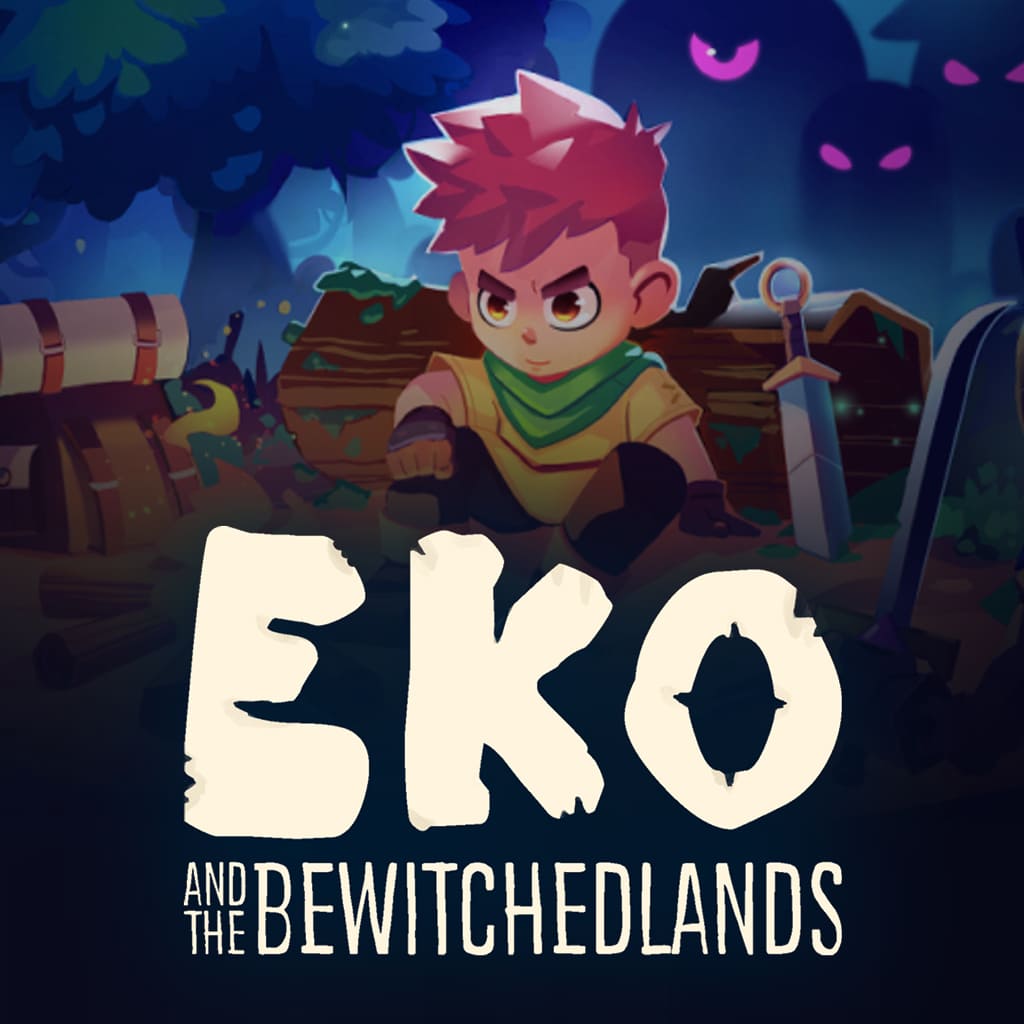
Eko and the Bewitched Lands, developed by Twin Studios and published on Nintendo Switch by RedDeer.Games, attempts to establish its own identity by merging roguelike repetition with the exploration and puzzle-solving DNA of The Legend of Zelda: Link’s Awakening. The result is a game that seems familiar at first glance but gradually unveils its own distinctive rhythm—one centred on adaptability, experimentation, and a surprisingly thoughtful approach to challenge.
Launched on 7 April 2026 for Nintendo Switch (with a PC version arriving later this month), Eko and the Bewitched Lands is a “souls-lite” action-adventure that doesn’t merely ask you to survive—it asks you to learn.
Rescue, Fail, Repeat
The premise is straightforward yet effective. You play as Eko, a small but determined hero on a quest to rescue a kidnapped princess from the Dark Queen’s grasp. While it follows a familiar fantasy storyline, the execution relies heavily on repetition as both a narrative and gameplay device.
Each run through the Bewitched Lands is procedurally generated, with rooms shifting, enemies repositioning, and item placements changing every time you start anew. Death isn’t just expected—it’s crucial. Progress is achieved not through brute force but by understanding patterns, mastering movement, and making smarter decisions with each attempt.
This cycle will seem immediately familiar to anyone who has played modern roguelikes, but Eko introduces just enough variation to keep the experience engaging. The addition of environmental puzzles and Zelda-style progression elements imbues each run with a greater sense of purpose beyond merely reaching the next boss.
Combat That Rewards Precision
Combat is where Eko and the Bewitched Lands truly find their footing. Described as “souls-lite,” the game emphasises timing, positioning, and resource management over button-mashing. Enemies hit hard, and careless play is punished quickly.
Eko’s toolkit revolves around elemental abilities—fire, water, and other unlockable powers—that can be combined with a variety of weapons and artifacts. The interplay between these systems is where the game excels. A well-timed dodge followed by an elemental counterattack feels immensely satisfying, especially when you’re juggling multiple enemy types in tight spaces.
What sets the combat apart is its flexibility. You’re not locked into a single playstyle. One run might see you focusing on aggressive melee attacks, while another encourages a more cautious, ability-driven approach. The sheer number of possible combinations ensures that experimentation is always rewarded.
However, this depth comes with a caveat. Early runs can feel somewhat limited before you’ve unlocked a wider array of abilities, and the difficulty curve may feel steep for players expecting a more forgiving experience. This is a game that demands patience—and a willingness to fail repeatedly.
A World That Fights Back
The Bewitched Lands are more than just a backdrop—they actively participate in your journey. Rooms are crafted with both combat and puzzles in mind, often requiring you to consider positioning and environmental hazards as much as enemy tactics.
Traps, destructible objects, and interactive features all influence encounters. Sometimes, the environment can be exploited to your benefit, enabling creative solutions beyond simple combat. At other times, it becomes an extra obstacle, increasing tension in already difficult scenarios.
This dual emphasis on “brain and brawn” stands as one of the game’s greatest strengths. It stops the experience from becoming monotonous, even as you revisit similar structures across multiple playthroughs.
Charm Meets Challenge
Visually, Eko and the Bewitched Lands strike a careful balance between charm and intensity. Its isometric perspective and vibrant colour palette evoke a sense of whimsy, but beneath that lies a world that is often unforgiving.
Character designs are simple yet expressive, and the environments—while procedurally generated—maintain a cohesive aesthetic that ties the experience together. There’s a storybook quality to the presentation, one that contrasts nicely with the game’s punishing difficulty.
The soundtrack complements this tone effectively, shifting between light, adventurous melodies and more urgent, combat-driven tracks. It’s not particularly groundbreaking, but it does its job well, reinforcing the emotional beats of each run.
Progression and Replayability
As with any roguelike, longevity is essential—and Eko delivers on this front. The mix of procedural generation, unlockable abilities, and branching upgrade paths ensures that no two runs feel identical.
Artifacts play a particularly significant role here. These items can greatly change how you approach the game, introducing new synergies and strategies that promote experimentation. Some offer obvious benefits, while others carry risks, forcing you to balance immediate gains against potential long-term effects.
This risk-reward dynamic adds an extra layer of decision-making, making each run feel like a series of meaningful choices rather than a simple march to the finish.
Not Without Its Flaws
Despite its strengths, Eko and the Bewitched Lands has some issues. The game’s procedural design means not every run feels perfectly balanced, and some layouts can seem overly punishing, especially when combined with unlucky item drops.
There’s also a feeling that the narrative takes a secondary role to gameplay. While the main premise is adequate, it lacks the depth and character development seen in some of the genre’s top titles. Players hoping for a compelling story might find they want more.
Additionally, the “souls-lite” label could set certain expectations that the game does not fully meet. Although the combat shares similarities with Soulslike titles, it does not have the same weight and precision. It feels more like arcade-style action than tactical duelling.
Final Verdict
Eko and the Bewitched Lands is a confident, well-crafted addition to the roguelike action-adventure genre. It doesn’t reinvent the wheel but successfully combines familiar mechanics with its own ideas, creating an experience that feels both approachable and challenging.
Its strengths lie in its combat, focus on experimentation, and ability to keep players engaged through meaningful progression. While its narrative may be sparse and its difficulty occasionally inconsistent, the core gameplay loop is strong enough to carry the experience.
For fans of roguelikes and action-adventure hybrids, this is a journey worth undertaking—even if it requires several (dozen) attempts to see it through.