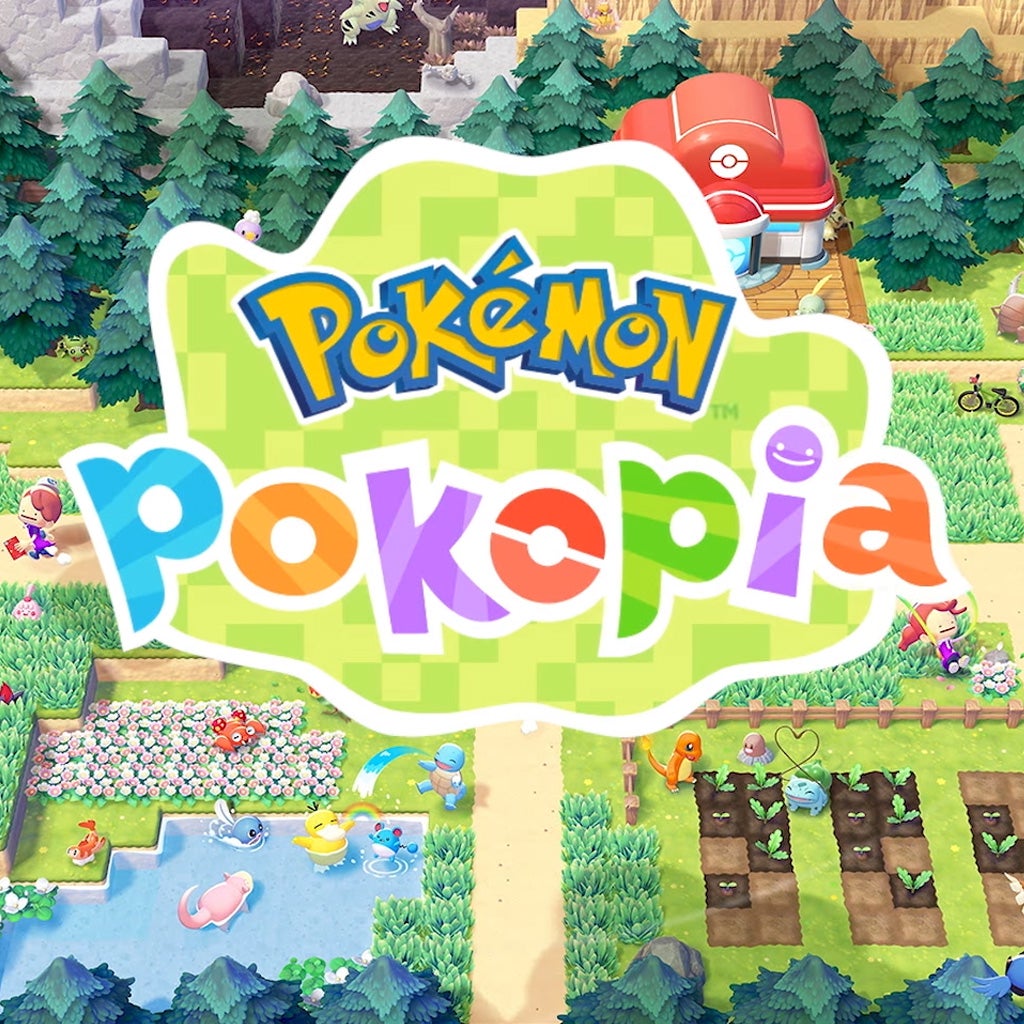
The Pokémon franchise has tried many genres over the years, from photography adventures to dungeon-crawling RPGs. Yet few spin-offs have strayed as far from the series’ traditional formula as Pokémon Pokopia, released on 5 March 2026 as a launch title for the Nintendo Switch 2.
Instead of capturing creatures and battling trainers, Pokopia centres on rebuilding a lost world. Developed collaboratively by Game Freak and Omega Force—the team known for the inventive sandbox mechanics of Dragon Quest Builders 2—the game combines life simulation, city building, and exploration into a relaxed yet ambitious experience.
Players take on the unusual role of a Ditto that has transformed into a human, guided by the eccentric Professor Tangrowth to restore a desolate wasteland once inhabited by both humans and Pokémon. With civilisation long vanished and nature reclaiming the land, the aim is to terraform the ruins into a thriving Pokémon sanctuary.
The result is a surprisingly atmospheric spin-off that replaces battles with creativity, turning Pokémon abilities into tools for rebuilding a forgotten world.
A World After Humans
Pokopia’s opening moments establish a tone rarely seen in Pokémon games.
You wake up in a mysterious landscape where the familiar world has fallen apart. Towns are deserted, buildings decay into nature, and Pokémon roam freely across empty plains. The story gradually unveils that both humans and Pokémon once disappeared from this world, leaving behind scattered ruins and lingering mysteries.
The story might sound bleak at first, but Pokopia quickly turns into something more hopeful. Guided by Professor Tangrowth, players start rebuilding the land piece by piece, transforming barren fields into thriving ecosystems.
This environmental restoration becomes the core of the entire game.
Instead of defeating gym leaders or villains, Pokopia challenges players to bring life back to a forgotten region, creating a welcoming habitat where Pokémon can return and thrive.
The feeling of discovery is especially strong in the early hours, when each new area feels like a small archaeological expedition into the past.
Building a Pokémon Paradise
Pokopia’s gameplay blends elements from various genres, most notably city-building simulations and crafting-based sandbox games.
Players collect materials, modify terrain, and build structures that gradually change the environment. Initial projects include simple shelters and farmland, but over time the settlement evolves into a vibrant Pokémon community filled with gardens, habitats, and interactive buildings.
The influence of Dragon Quest Builders is clear in the terrain manipulation system. Players can dig, elevate land, and reshape landscapes to match their design ideas.
Meanwhile, the game’s social and progression features evoke the relaxed rhythm of life-simulation games like Animal Crossing. Time flows naturally, and Pokémon visitors gradually fill the environment as new areas become habitable.
Creating habitats that attract different species becomes a central part of the experience. Some Pokémon prefer forest settings, while others thrive near water or open plains.
Balancing these ecosystems adds a gentle layer of strategy to the otherwise cosy gameplay.
Pokémon Moves as Tools
Perhaps the most inventive mechanic in Pokopia is how Pokémon abilities replace traditional tools.
Instead of catching creatures solely for combat, players befriend them to unlock specific moves that help reshape the environment.
For example, a friendly Bulbasaur might teach the move Leafage, enabling players to regrow vegetation across barren land. Squirtle’s Water Gun can irrigate crops or refill dried rivers, while other Pokémon offer abilities that assist with mining, construction, or environmental restoration.
This system cleverly integrates Pokémon into the building process. Each creature feels like a collaborator rather than just a collectible.
Over time, players build a network of Pokémon helpers that contribute to the restoration effort in various ways.
It’s a refreshing twist on the franchise’s familiar mechanics and reinforces the game’s themes of cooperation and environmental healing.
Exploration and Discovery
Beyond the main settlement, Pokopia offers a vast open world filled with ruins, hidden resources, and wandering Pokémon.
Exploration plays a key role in progress. Venturing into distant regions often uncovers rare materials, ancient structures, and clues about the world’s mysterious past.
Some areas require specific Pokémon abilities to access. For example, clearing dense vegetation or repairing water systems might unlock new routes to unexplored locations.
These discoveries often lead to new building projects back at the main settlement, strengthening the cycle between exploration and construction.
While the open world is not large by modern standards, it offers enough variety to keep exploration rewarding throughout the game.
Social Elements and GameShare
Pokopia is primarily a single-player experience, but it features a unique GameShare function tailored for Nintendo’s hardware ecosystem.
Players on the original Nintendo Switch can visit a Switch 2 player’s world as guests, allowing friends to explore settlements together and help with smaller tasks.
This feature introduces a subtle cooperative element without transforming the game into a full multiplayer sandbox.
Seeing another player’s carefully crafted Pokémon habitats can be quite inspiring, fostering creativity in designing your own world.
Visual Style and Atmosphere
Pokopia embraces a soft, colourful art style that emphasises natural beauty.
Lush forests, sparkling rivers, and open fields gradually replace the desolate landscapes of the early game. Watching the environment transform from an abandoned wasteland into a vibrant sanctuary provides a powerful sense of progress.
Character and Pokémon animations remain expressive and charming, staying true to the series’ aesthetic while benefiting from the improved hardware of the Switch 2.
The soundtrack complements the relaxed atmosphere with gentle melodies that evolve as your settlement grows.
The game’s presentation is not technically groundbreaking, but its visual warmth perfectly suits the cosy gameplay experience.
Longevity and Replayability
Pokopia promotes long-term engagement through creative freedom and environmental design.
There is no strict deadline or competitive pressure. Players are free to build, experiment, and explore at their own pace.
Gradually unlocking additional Pokémon species grants new environmental abilities, broadening the options for settlement design.
However, the laid-back structure may not appeal to players looking for high-stakes gameplay. Without traditional battles or intense conflicts, the experience is intentionally low-pressure.
For many players, that peaceful pace will be exactly what makes it appealing.
Pros & Cons
Pros
- Creative building mechanics using Pokémon abilities
- Relaxing and rewarding city-building gameplay
- Atmospheric world with a unique post-apocalyptic premise
- Strong sense of environmental restoration and progression
- GameShare feature adds light cooperative play
Cons
- Slow pacing may not appeal to action-oriented players
- Limited combat or traditional Pokémon mechanics
- Open world exploration can feel repetitive over time
- Story elements are relatively subtle
Final Verdict
Pokémon Pokopia is one of the most unusual and imaginative spin-offs the franchise has created.
By combining sandbox building mechanics with Pokémon-inspired environmental abilities, the game provides a refreshing alternative to the series’ traditional battle-centric formula.
The result is a cosy and inventive experience centred around restoring a forgotten world. Watching barren landscapes transform into thriving ecosystems filled with Pokémon gives a unique sense of achievement.
While its slow pace and absence of combat may surprise long-time fans, Pokopia manages to establish its own identity within the Pokémon universe.
For players who enjoy life simulations, crafting systems, and relaxed exploration, it stands as one of the most distinctive launch titles for the Nintendo Switch 2.