Survival horror has changed a lot since its early days, with modern titles often focusing on cinematic storytelling and action-packed gameplay. However, for many players, the genre’s most memorable moments come from its older roots—when limited inventory space, scarce ammunition, and relentless enemy encounters created real tension.
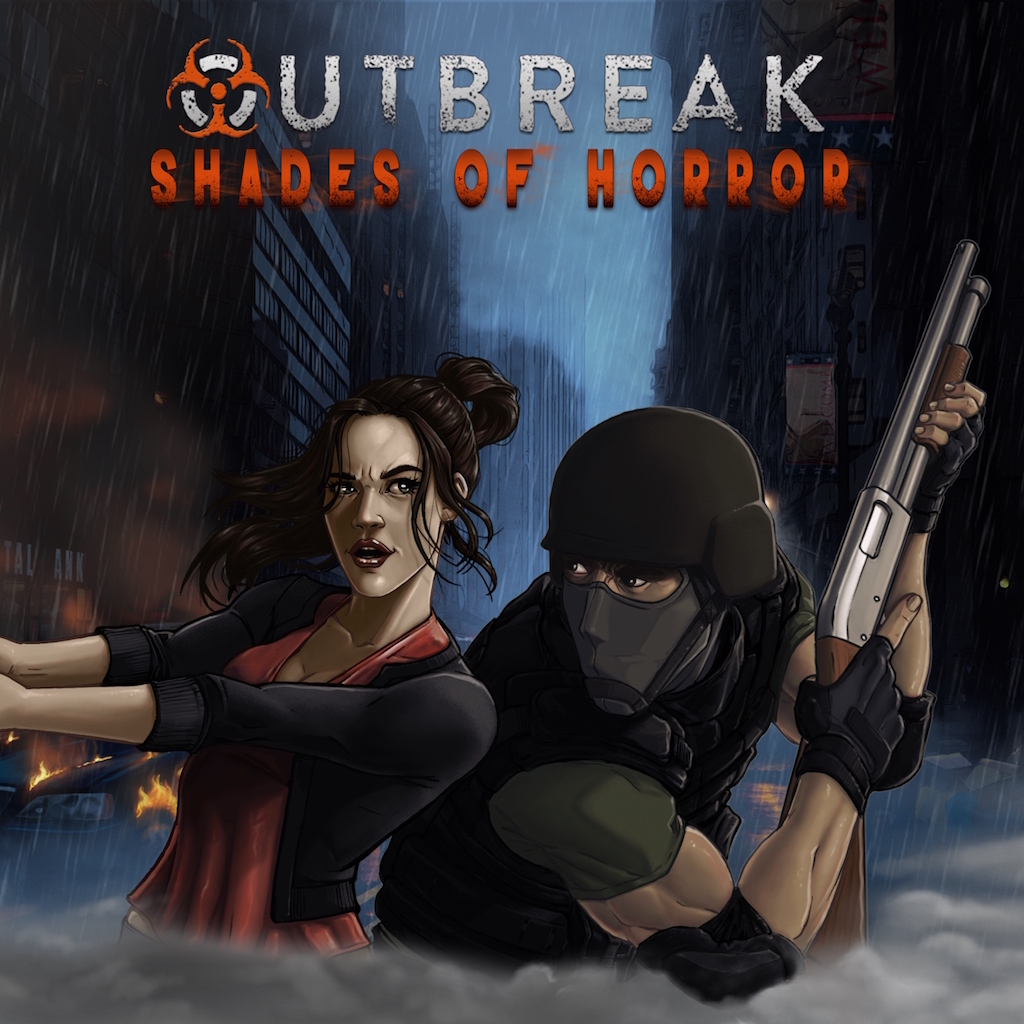
Outbreak: Shades of Horror, released on PlayStation 5 on 6 March 2026, seeks to bring back that classic design approach. Inspired by survival horror games from the late 1990s and early 2000s, the game adopts many of the genre’s key features: careful resource management, challenging difficulty, and a constant feeling of vulnerability.
Made by Dead Drop Studios, the game drops players into the middle of a zombie apocalypse unfolding in the Midwestern city of Cypress Ridge. Beginning at the local cinema called Cypress Reel, players explore a city that has quickly fallen into chaos, fighting to survive waves of the undead and other mysterious threats.
This results in a survival horror experience that proudly displays its retro influences—though its rough edges might be as noticeable as its nostalgic aspirations.
A Return to Classic Survival Horror
At its core, Outbreak: Shades of Horror is a nostalgic tribute to old-school survival horror.
Players must manage a limited inventory, conserve scarce ammunition, and navigate hostile environments with caution, where every mistake can be deadly. Enemies are formidable, healing items are rare, and exploration demands careful planning rather than reckless combat.
This approach immediately establishes the tone. Instead of arming players with a wide array of weapons, the game often forces tough decisions about what to carry and when to fight.
The survival mechanics generate real tension. Encountering a group of zombies is seldom trivial, especially when ammunition is tight or the player is already wounded.
For enthusiasts of classic survival horror, this design philosophy is invigorating. The game actively opposes modern trends that emphasise accessibility or nonstop action, instead embracing the slower, more deliberate pace that once characterised the genre.
However, this design also renders the game unforgiving for newcomers. Those unfamiliar with older survival horror mechanics may find the learning curve steep and sometimes frustrating.
Cypress Ridge and the Central Hub
The story begins at Cypress Reel, a cinema that acts as the main hub for the game’s progression.
From here, players can choose one of nine playable characters, each venturing into the infected city to find supplies and survive the spreading outbreak.
The cinema serves as a safe zone between missions, offering players several activities that help break up the main gameplay loop.
One of the most notable features is Ferret’s Emporium, a shop where players can buy weapons, skins, and a wide range of cosmetic clothing options. Character customisation adds a lighter touch to an otherwise grim setting.
There is also an arcade area with mini-games designed as brief diversions between survival runs. These modes provide a change of pace and can offer rewards that help players in the main game.
Although these features do not significantly alter the core gameplay, they introduce variety and reinforce Cypress Reel’s role as a central refuge amid the apocalypse.
Gameplay Variety and Modes
Beyond the main survival gameplay, Outbreak: Shades of Horror features several additional pieces of content.
Players gain access to Chromatic Split, the original prologue to the game, as well as a side story titled Trials of Hank, which expands on the events surrounding the outbreak.
These extra scenarios provide additional context for the game’s world and offer different challenges for players seeking more content.
The game also introduces a variety of challenge systems, including daily, weekly, and seasonal objectives. These challenges reward players with cosmetics, weapons, and other unlockables.
Seasonal events appear to be a key focus for the developers. At launch, a Halloween-themed event and crossover content inspired by DINOBREAK are already available, bringing themed maps, decorations, and limited-time rewards.
This ongoing event structure suggests that the game is designed to evolve over time, with new content gradually expanding the experience.
Presentation and Atmosphere
Outbreak: Shades of Horror tries to blend modern technology with retro design styles.
Visually, the game showcases modern lighting and environmental details while keeping the grounded, somewhat gritty look typical of older survival horror games.
The environments of Cypress Ridge feel suitably bleak. Dark streets, deserted buildings, and flickering lights create a tense atmosphere that keeps players alert.
Sound design also plays a key role. Distant groans, sudden enemy sounds, and eerie ambient effects help sustain a constant feeling of threat.
However, the game’s presentation sometimes exposes its smaller development size. Character animations and certain environmental interactions can seem a bit rough, which might break immersion during more intense moments.
These rough edges add to the game’s reputation as a “janky but challenging” survival horror experience — something the developers themselves openly admit.
Longevity and Replayability
One of the most exciting features of Outbreak: Shades of Horror is its long-term replayability.
With multiple playable characters, unlockable cosmetics, and ongoing challenge events, the game motivates players to return regularly.
The mix of daily challenges and seasonal events offers a consistent flow of objectives to aim for, while different difficulty levels provide additional ways to test player skill.
However, the core gameplay loop remains relatively simple. Players continually venture from the theatre hub into perilous areas to gather resources and survive encounters.
Whether this loop stays engaging over long gaming sessions will largely depend on how much players enjoy the survival mechanics and challenge systems.
Pros & Cons
Pros
- Strong commitment to classic survival horror mechanics
- Genuine tension through limited resources and high difficulty
- Central hub with customisation and mini-games adds variety
- Multiple characters and challenge systems encourage replayability
- Atmospheric environments and sound design
Cons
- Rough animations and occasional technical jank
- Very steep difficulty may frustrate newcomers
- Core gameplay loop can become repetitive
- Presentation lacks the polish of larger horror titles
Final Verdict
Outbreak: Shades of Horror clearly understands its audience.
Instead of trying to modernise survival horror for broader appeal, it embraces the genre’s older traditions. Limited inventory, harsh difficulty, and tense resource management are central to the experience.
For players familiar with classic survival horror games, this approach feels genuinely authentic. The persistent tension, meticulous planning, and real fear of running out of supplies create a gameplay loop that captures the essence of the genre’s early days.
However, the game’s rough presentation and unforgiving nature may restrict its appeal. Newcomers or those expecting a polished AAA horror experience might struggle with its jerky mechanics and demanding gameplay.
Ultimately, Outbreak: Shades of Horror functions as a niche tribute to retro survival horror. While it may not be the most polished horror game on PlayStation 5, it offers a tough, atmospheric experience for fans of old-school survival mechanics.