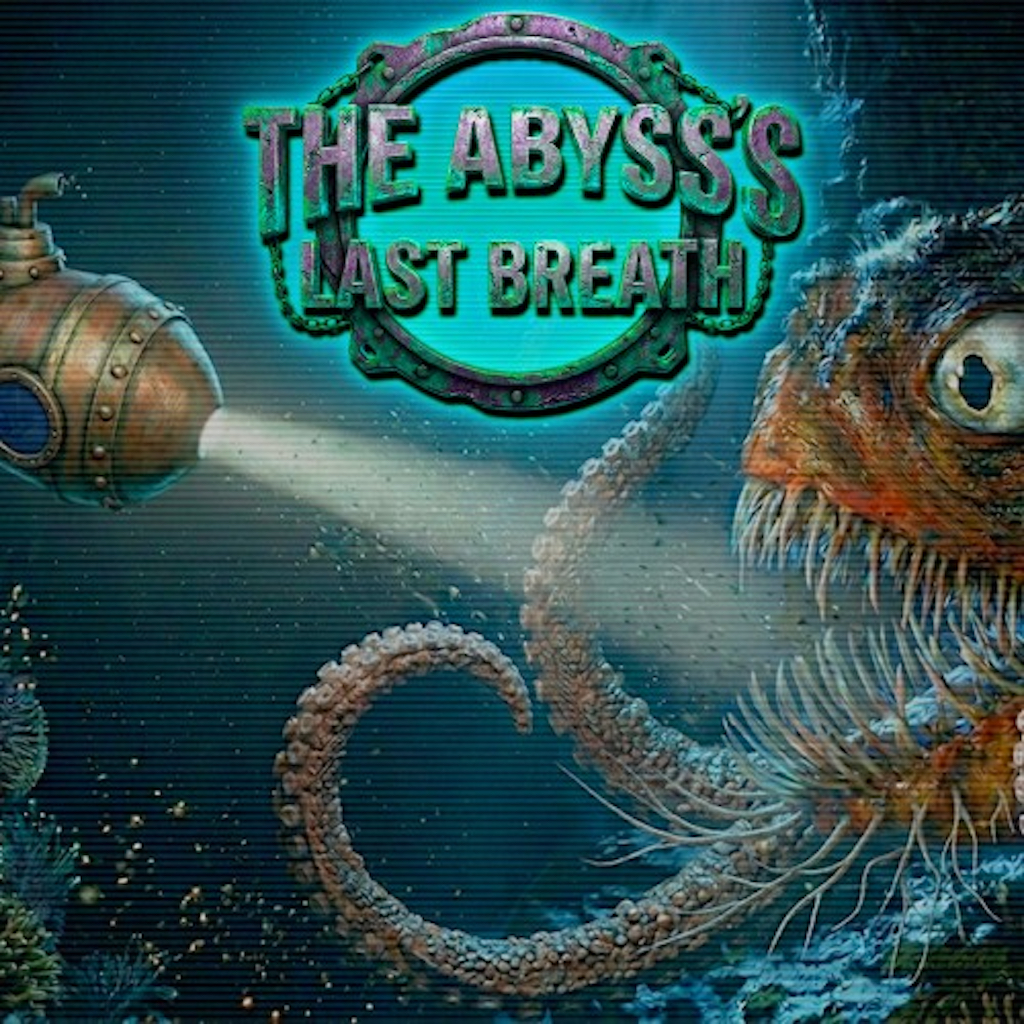
There is something uniquely terrifying about the ocean. Space may represent the unknown above us, but the deep sea hides a world that feels almost alien despite being part of our own planet. The crushing pressure, endless darkness and complete isolation create a natural setting for horror, and The Abyss’s Last Breath understands exactly how to exploit that fear. Instead of throwing players into a traditional monster hunt, FuriouSoftPhoenix delivers a slow-burning psychological survival experience in which the greatest enemy is often the environment itself.
Set against the backdrop of a classified 1938 expedition, the game puts players in control of John, the sole volunteer willing to undertake humanity’s deepest descent. This is not a mission fuelled by fame or scientific curiosity alone. John bears a devastating personal burden, viewing the expedition less as a discovery and more as punishment for the guilt he cannot escape. That emotional foundation gives the descent an unsettling purpose from the outset.
The premise is simple yet incredibly effective. Travel deeper than anyone has before, retrieve a mysterious energy source hidden near the Earth’s core, and somehow survive the journey back. However, as the submarine sinks further into the abyss, the mission becomes far more disturbing as reality itself begins to fracture around John.
Survival Beneath The Pressure
At its heart, The Abyss’s Last Breath is a survival simulation wrapped in a psychological horror experience. The game places you inside a mini-submarine filled with systems that constantly demand attention. Oxygen levels, battery reserves, temperature controls and pressure readings are not background statistics. They are the difference between continuing the mission and becoming another forgotten casualty beneath the ocean.
This creates a constant sense of vulnerability. Even when there are no immediate threats nearby, the submarine itself becomes a source of tension. A damaged component, an unexpected power failure or a poorly managed resource can quickly turn a routine exploration into a desperate struggle for survival.
The slow pace works surprisingly well here. John is not an action hero charging through danger with unlimited resources. Every movement feels deliberate, every interaction requires thought, and every decision carries weight. The game understands that fear does not always come from what is chasing you. Sometimes it comes from watching your oxygen percentage slowly drop as you still try to solve a complicated problem.
The mechanical depth of the submarine systems is one of the experience’s strongest aspects. Players are encouraged to understand how everything works rather than simply pressing highlighted buttons. Managing these systems instils a genuine sense of responsibility, making the submarine feel like a fragile lifeline rather than just a vehicle.
Solving The Abyss
Outside survival management, the game’s other major pillar is puzzle-solving. Much of the journey involves exploring underwater structures, repairing damaged equipment and unlocking access to new areas through escape-room-style challenges.
These puzzles generally favour observation and logic over trial and error. Players must examine their surroundings carefully, connect clues, and understand how different systems interact. A broken machine may require multiple steps to repair, while a sealed door might require manipulating several environmental elements before access is granted.
The strongest puzzles create that satisfying moment when everything suddenly clicks into place. You may spend several minutes studying a strange control panel or searching through scattered expedition equipment before realising the solution was hidden in plain sight. These moments reward patience and attention rather than speed.
However, the puzzles’ deliberate design will not appeal to everyone. Some sections can feel slow, particularly when searching large environments for a small piece of information needed to progress. The game embraces a methodical approach, but players expecting constant progression may occasionally lose momentum.
Still, the slower pace ultimately supports the atmosphere. This is not an adventure about rushing from one set piece to the next. It is about feeling trapped, isolated and increasingly uncertain about what lies ahead.
The Horror Of The Deep
Where The Abyss’s Last Breath truly succeeds is in its atmosphere. The game rarely relies on traditional horror techniques, instead creating fear through uncertainty and psychological deterioration. The submarine is cramped, dark, and filled with the constant sounds of machinery struggling against impossible conditions.
Every creaking metal panel and distant noise breeds suspicion. Is something moving outside the vessel, or is the pressure distorting John’s perception? Are the strange visions real, or is the isolation beginning to break him apart?
This ambiguity is central to the experience. As John descends further, the abyss begins to manipulate his memories, particularly those tied to his lost family. These moments lend the horror emotional weight, transforming the journey from a simple survival challenge into a confrontation with personal trauma.
The psychological elements are handled with restraint. Rather than constantly showing the player something terrifying, the game lets the player’s imagination fill the gaps. The result is a more personal form of horror, where the fear stems from questioning what can be trusted.
A Journey Through Isolation
The presentation does an excellent job of emphasising the oppressive nature of the setting. The underwater environments feel cold, mechanical and hostile, with every location conveying that humanity does not belong there. Limited visibility creates a constant sense of uncertainty, as darkness always seems to hide something beyond the reach of your equipment.
Sound design deserves particular praise. The distant hum of machinery, the unsettling silence between radio transmissions and the occasional unnatural noise outside the submarine all contribute to an incredibly immersive experience. Audio becomes another survival tool, helping players understand the environment while heightening their anxiety.
The game’s visual style is not focused on spectacle. Instead, it prioritises atmosphere and realism. The submarine feels worn and functional, a machine built for science rather than comfort. That grounded approach makes the more surreal moments stand out even more.
A Few Cracks In The Hull
Despite its strengths, The Abyss’s Last Breath is not without weaknesses. The deliberately slow pacing, while effective for immersion, can occasionally become frustrating. There are moments when the game asks players to repeat similar maintenance tasks or to move carefully through areas that offer little immediate reward.
The limited action may also disappoint players expecting a more traditional horror experience. There are no constant enemy encounters or frantic escape sequences. The focus remains firmly on survival, exploration and psychological tension.
Some puzzle solutions can also feel slightly unclear, especially when multiple interactive objects are available and the correct sequence is not immediately obvious. While patience usually reveals the answer, a few additional hints could have improved accessibility without reducing the challenge.
These issues do little to detract from the overall experience, but they reinforce that this is a game designed for a specific audience. Players who appreciate slow, atmospheric adventures will find plenty to enjoy, while those looking for fast-paced horror may struggle with its restrained approach.
Final Verdict
The Abyss’s Last Breath is a compelling deep-sea horror experience that captures the true terror of isolation. By combining realistic submarine management, thoughtful puzzle design and a haunting psychological narrative, it creates a journey that feels less like a game and more like a descent into the unknown.
Its greatest achievement is making the player feel vulnerable. Every resource matters, every decision carries consequences and every unexplained sound builds tension. The abyss is not just a location. It becomes a character, constantly testing John physically and emotionally.
While its slow pace and methodical design will not appeal to everyone, those willing to embrace its deliberate rhythm will find an atmospheric and memorable survival adventure. The Abyss’s Last Breath proves that horror need not rely on constant action to be effective. Sometimes the scariest thing imaginable is simply being alone, thousands of feet beneath the surface, with nowhere left to go.