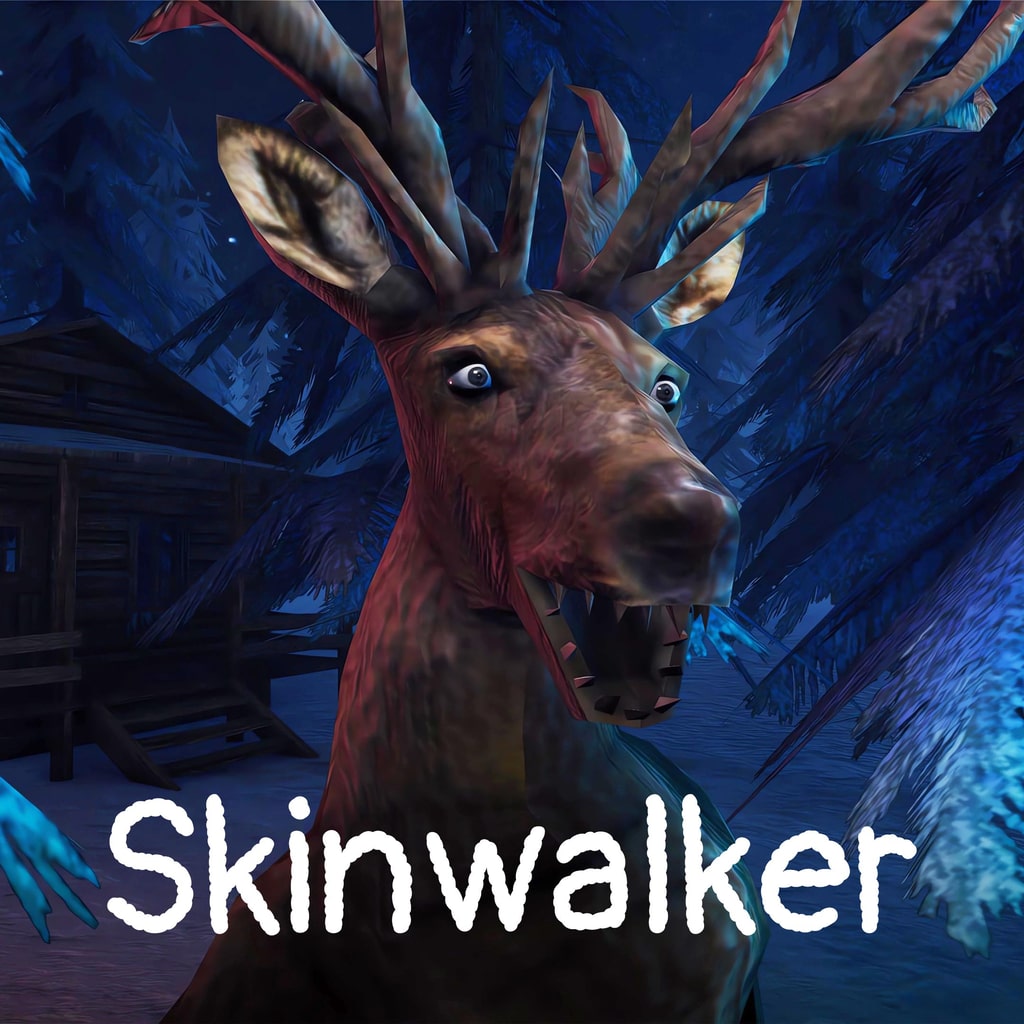
Skinwalker is a slow-burn psychological horror game that draws heavily on isolation, paranoia, and folklore-inspired dread rather than overt spectacle. Rather than relying on constant jump scares or excessive gore, it builds tension through atmosphere, sound design, and the persistent uncertainty of not knowing what is watching you—or wearing a familiar face. It is a game that asks for patience and attentiveness, rewarding players who immerse themselves in its unsettling rhythm rather than rushing toward resolution.
Positioned firmly within the indie horror space, Skinwalker embraces restraint. Its ambition is not to shock continuously, but to unsettle gradually, allowing fear to seep in through implication and absence as much as presence. The result is an experience that feels uncomfortable in a quiet, lingering way, one that stays with you long after the screen fades to black.
Setting and Premise
Skinwalker is set in a remote, sparsely populated environment where isolation is absolute and trust is fragile. Drawing inspiration from folklore surrounding shape-shifting entities that mimic human behaviour, the game places players in a situation where the familiar cannot be relied upon. The premise is deliberately simple: survive, observe, and discern what is real before it is too late.
Narrative delivery is subtle and fragmented. There are no lengthy exposition dumps or explicit explanations. Instead, story details emerge through environmental cues, brief encounters, notes, and the player’s own observations. This approach reinforces the central theme of uncertainty. You are never entirely sure how much you understand, and the game is content to leave questions unanswered.
This ambiguity is one of Skinwalker’s defining traits. Players who enjoy piecing together lore and interpreting events will find plenty to engage with, while those seeking clear narrative closure may find the experience intentionally opaque.
Gameplay and Core Mechanics
At its core, Skinwalker is a first-person exploration horror game with light survival elements. Gameplay focuses on movement, observation, and interaction rather than combat. In fact, direct confrontation is rarely an option, reinforcing vulnerability and encouraging avoidance over aggression.
Players explore environments methodically, searching for clues, managing limited resources, and reacting to subtle changes in the world. Progression often hinges on noticing inconsistencies—something out of place, behaviour that feels slightly wrong, or environmental details that shift over time. This emphasis on perception is central to the experience, making attentiveness a survival skill.
Controls are straightforward and functional. Movement is intentionally grounded, sometimes even slightly sluggish, reinforcing the sense that you are not an empowered hero but an ordinary person in an extraordinary situation. While this can occasionally feel restrictive, it serves the game’s tone well.
Horror Design and Tension
Skinwalker’s horror design is rooted in anticipation rather than release. The game is at its most effective when nothing is happening—when silence stretches too long, or when familiar spaces begin to feel subtly altered. The threat is often implied rather than shown, forcing players to question their own assumptions.
When the game does reveal danger, it does so sparingly. Encounters are brief, intense, and often unresolved, leaving players with more questions than answers. This restraint prevents desensitisation and maintains tension throughout the experience.
Jump scares are used infrequently and with purpose. They punctuate moments of heightened stress rather than serving as the primary scare tactic. The real fear comes from paranoia: the constant sense that something is wrong, even when you can’t quite articulate why.
Visual Presentation
Visually, Skinwalker adopts a grounded, realistic style that supports immersion. Environments are detailed enough to feel believable without becoming visually noisy. Lighting is used effectively to obscure as much as it reveals, creating deep shadows and limited sightlines that heighten unease.
Character models, when they appear, are understated rather than grotesque. This choice reinforces the game’s thematic focus on imitation and familiarity. Horror emerges not from monstrous exaggeration, but from subtle wrongness—expressions that linger too long, movements that feel just slightly unnatural.
The interface is minimal, often disappearing entirely during exploration. This lack of on-screen guidance forces players to remain visually engaged with the world rather than relying on UI prompts.
Audio and Atmosphere
Audio design is one of Skinwalker’s greatest strengths. Ambient soundscapes—wind, distant noises, subtle environmental creaks—create a constant backdrop of unease. Silence is used deliberately, often preceding moments of tension or discovery.
Sound cues are rarely explicit. Instead of loud stingers or obvious alerts, the game relies on understated audio details that players may not consciously notice at first. Over time, these sounds become unsettling in their familiarity, reinforcing the sense that the environment itself is alive.
The soundtrack, when present, is minimal and atmospheric. Music is used sparingly, allowing natural sound design to dominate and maintain immersion. This restraint enhances realism and keeps tension grounded.
Pacing and Length
Skinwalker is a relatively short experience, designed to be completed in a single extended sitting or over a few shorter sessions. Its pacing is deliberate, prioritising slow exploration and gradual escalation over constant stimulation.
While this measured approach suits the game’s tone, it may test the patience of players accustomed to more overt horror pacing. There are stretches where little seems to happen, and engagement relies heavily on atmosphere and curiosity rather than mechanical progression.
However, for players willing to settle into its rhythm, the pacing allows tension to build organically, making later moments significantly more impactful.
Difficulty and Accessibility
Difficulty in Skinwalker is more psychological than mechanical. There are few traditional fail states, but poor decision-making or inattentiveness can lead to sudden, often irreversible consequences. The game does little to guide the player, reinforcing its themes of uncertainty and vulnerability.
Accessibility options are limited, and the game’s reliance on subtle visual and audio cues may present challenges for some players. This lack of accommodation is not malicious, but it does mean Skinwalker is best suited to players comfortable with immersive, observational gameplay.
Replayability and Longevity
Replay value is modest. Much of Skinwalker’s impact comes from not knowing what to expect, and subsequent playthroughs inevitably lose some of that tension. However, players interested in uncovering missed details or reinterpreting events may find value in revisiting the experience.
The game’s ambiguous storytelling encourages discussion and interpretation, which can extend its life beyond the initial playthrough.
Strengths and Weaknesses
Strengths
- Strong psychological horror rooted in atmosphere and implication
- Excellent sound design and use of silence
- Subtle narrative delivery that encourages interpretation
- Effective use of familiarity as a source of fear
Weaknesses
- Slow pacing may not suit all players
- Limited accessibility options
- Minimal mechanical variety
- Short runtime limits replay value
Final Verdict
Skinwalker is a confident, restrained psychological horror experience that understands the power of subtlety. It avoids cheap scares and excessive exposition, instead delivering a tense, unsettling journey built on atmosphere, observation, and distrust. While it may not appeal to players seeking constant action or clear answers, it offers a memorable experience for those willing to engage with its ambiguity.
For fans of slow-burn horror and folklore-inspired dread, Skinwalker stands as a thoughtful and unsettling entry in the indie horror genre.