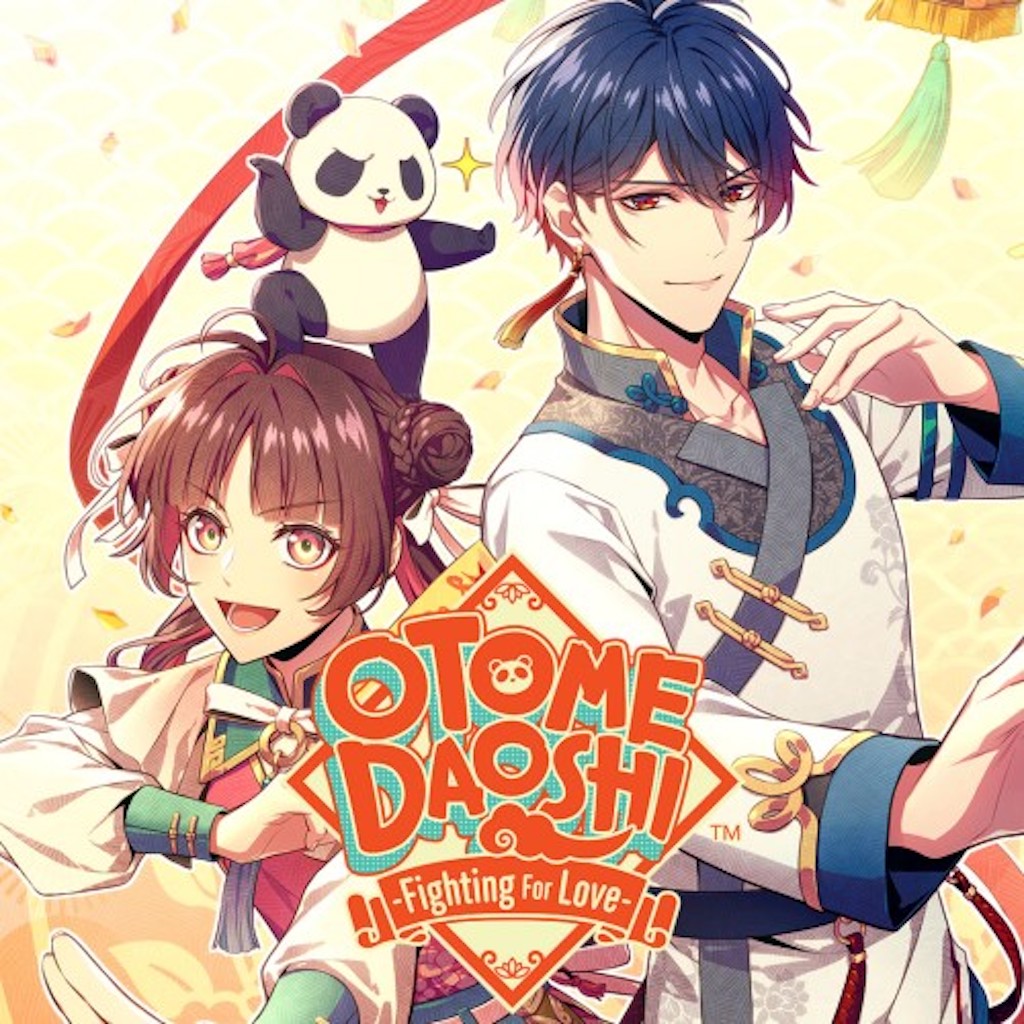
There’s a quiet confidence to Otome Daoshi -Fighting For Love- that sets it apart from much of the 2026 otome landscape. While many recent releases rely heavily on tragedy, political intrigue, or historical gravitas, this latest title from Otomate—localised in the West by Aksys Games—takes a different route. It embraces warmth, humour, and romantic optimism, all wrapped in a vibrant “gufeng” fantasy aesthetic rooted in Chinese martial arts and Taoist mythology.
On paper, it’s a familiar setup: a young heroine in training, a colourful cast of potential love interests, and a looming threat that forces everyone together. In execution, however, Otome Daoshi distinguishes itself through tone, pacing, and a surprisingly effective balance between romance and light adventure.
It may not aim to redefine the genre—but it understands exactly what kind of experience it wants to deliver.
A World of Cultivation and Cheerful Chaos
Set in the martial kingdom of Kayu, the story follows a Daoist priestess-in-training who attends the Tournament of Valor to support her childhood friend—only for events to spiral into crisis when an unexpected attack disrupts the festivities.
From that point onward, the narrative unfolds across multiple routes, each focusing on a different romantic interest while gradually revealing the larger threat facing the kingdom.
What stands out immediately is the tone. Despite the presence of danger, supernatural forces, and political tension, the game maintains a consistently lighthearted atmosphere. Dialogue is playful, character interactions are often comedic, and even serious moments are softened by the game’s refusal to linger too long in darkness.
This tonal choice won’t appeal to everyone. Players seeking high-stakes drama or emotionally devastating storylines may find it lacking intensity. But for those looking for a more uplifting, character-driven experience, it’s refreshingly approachable.
A Cast Built on Chemistry Rather Than Conflict
As with any otome title, the success of Otome Daoshi heavily depends on its cast—and in this, it largely succeeds.
The love interests are varied in personality and narrative significance, ranging from the dependable childhood friend to more eccentric or mysterious figures encountered throughout the story. Each route explores not only romantic development but also personal growth, often linking individual arcs to the broader themes of responsibility and identity.
What makes these relationships work is their focus on chemistry rather than conflict. While misunderstandings and emotional hurdles do occur, they rarely take over the story. Instead, the game concentrates on building connections through shared experiences, humour, and mutual support.
The protagonist herself is also a highlight. Rather than being a passive observer, she actively engages in both the story and her relationships. Her role as a Daoist-in-training gives her a clear sense of purpose, and her personality strikes a balance between determination and relatability.
Structure and Route Design
The game follows a fairly traditional otome structure, with a common route that introduces the world and characters before branching into individual romantic paths.
The common route is briskly paced, ensuring players reach their chosen path without unnecessary delay. This is a welcome change from titles that front-load exposition at the expense of engagement.
Each route offers its own narrative focus, although the overall stakes remain consistent. Some explore deeper into the supernatural aspects of the setting, while others emphasise personal or romantic development.
However, the structure is not without its flaws. Certain plot points feel repeated across routes, and the overarching narrative does not always develop significantly between playthroughs. This can create a sense of familiarity that lessens the impact of later routes.
That said, the game compensates with strong character development and varied emotional tones, ensuring that each path remains engaging.
Presentation: Colourful, Expressive, and Distinct
Visually, Otome Daoshi stands out as one of the most striking otome releases of the year. Its “gufeng” aesthetic combines traditional Chinese design elements with vibrant, stylised character art, creating a world that feels both fantastical and rooted in culture.
Character sprites are highly expressive, with a broad range of emotional expressions that enrich dialogue scenes. Backgrounds are intricate and colourful, capturing the lively atmosphere of Kayu and its surrounding environments.
The UI is sleek and functional, allowing the art to take centre stage without unnecessary distractions.
The soundtrack complements the visual style well, blending traditional-inspired instrumentation with lighter, more playful tracks. While not particularly memorable on its own, it consistently supports the game’s tone.
Tone: A Deliberate Departure from Darkness
One of Otome Daoshi’s most defining features is its dedication to a lighter tone. Even when addressing themes of danger or responsibility, the game rarely becomes oppressive or forlorn.
This is both its greatest strength and its most significant limitation.
On one hand, it fosters a welcoming experience that is easy to engage with and emotionally fulfilling. On the other hand, it can sometimes weaken narrative tension. Moments that might benefit from more dramatic gravity are occasionally resolved too swiftly or softened through humour.
Ultimately, this comes down to expectations. The game is not aiming to deliver tragedy — it aims to convey joy, connection, and a sense of adventure.
Accessibility and Replay Value
As a Nintendo Switch exclusive, the game benefits from the platform’s portability and ease of use. Its structure lends itself well to short play sessions, making it accessible for both dedicated otome fans and newcomers.
Replay value is primarily driven by its multiple routes and endings. While the overarching narrative does not change significantly, the variation in character interactions and emotional emphasis provides enough motivation to explore different paths.
Completionists will find satisfaction in uncovering all endings, although those sensitive to repetition may feel limited by the game’s branching structure.
Final Verdict
Otome Daoshi -Fighting For Love- is a confident, charming addition to the otome genre that prioritises warmth and character chemistry over high-stakes drama. It does not attempt to reinvent the formula, but it refines it with a clear sense of identity and tone.
Its strengths lie in its engaging cast, vibrant presentation, and approachable storytelling. Its weaknesses stem from structural repetition and a reluctance to fully embrace narrative tension.
For players seeking a light-hearted romantic adventure with a touch of fantasy flair, it is an easy recommendation. For those looking for deeper, more complex storytelling, it may feel somewhat restrained.