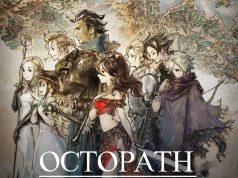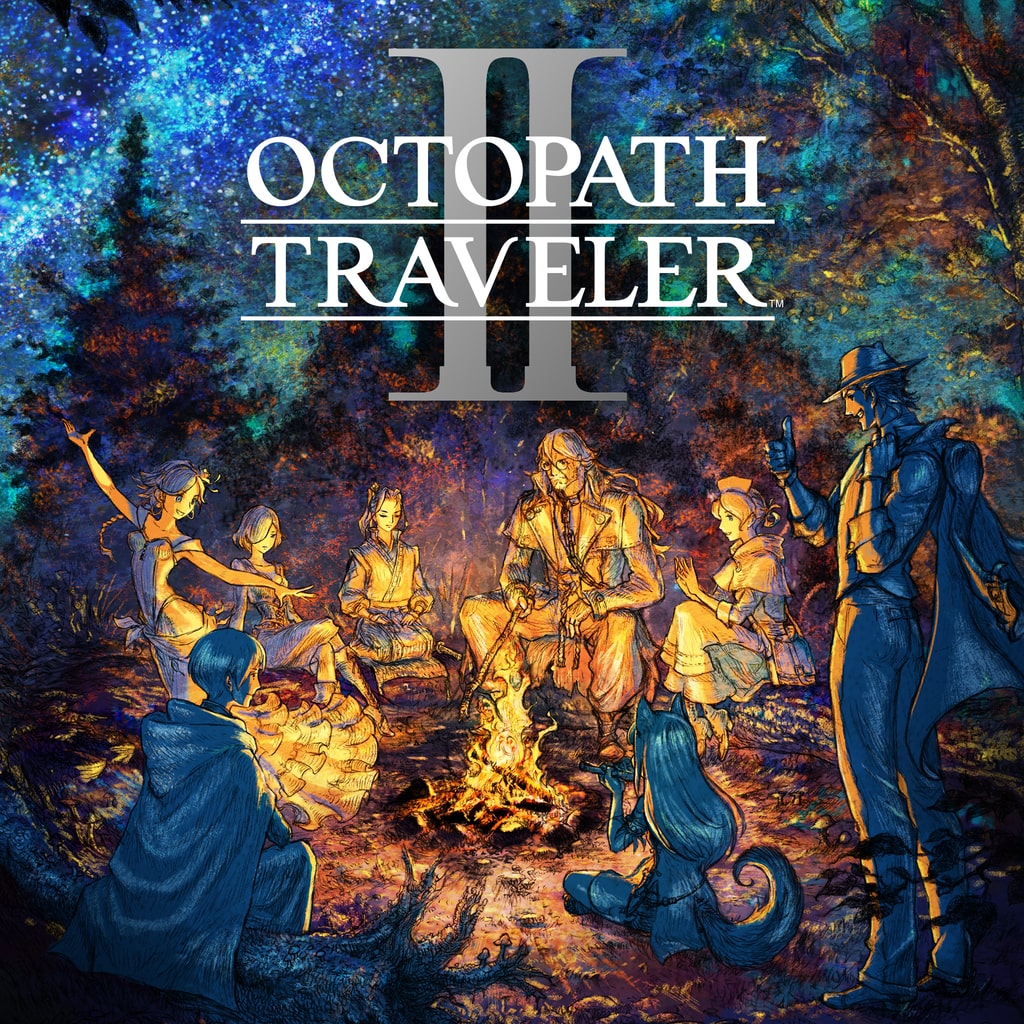
There is something wonderfully reassuring about settling into a traditional Japanese role-playing game that understands the importance of a good story, memorable characters and the simple pleasure of setting off into the unknown. OCTOPATH TRAVELER II embraces those classic foundations while finding fresh ways to make its adventure feel both familiar and exciting. Set in the expansive world of Solistia, it introduces eight new travellers, each with their own history, ambitions and reasons for venturing beyond the familiar. Their journeys are very different, but together they create a rich tapestry of experiences that gives the game its distinctive identity.
Originally released on Nintendo Switch, OCTOPATH TRAVELER II builds on the foundations of the original OCTOPATH TRAVELER, taking its much-loved HD 2D visual style and strategic turn-based combat to new heights. This Nintendo Switch 2 version has been optimised from the original release, bringing improved resolution and frame rate to the adventure. These enhancements do not fundamentally alter the game, but they provide a welcome technical polish to an experience that was already visually striking. Solistia is a world experiencing considerable change, with industrial progress, bustling cities, remote settlements and ancient traditions existing side by side. Nintendo Switch 2 gives that world an even cleaner, smoother presentation.
The decision to begin with one of eight protagonists gives players an immediate sense of freedom. Rather than following a single predetermined hero, you choose whose story to experience first, gradually recruiting the others and bringing their individual adventures together. Each character has their own motivations, from pursuing justice and seeking revenge to chasing a dream or escaping a troubled past. This variety ensures that the journey rarely feels one-dimensional, and it is a pleasure to discover how these different personalities respond to the world around them.
Eight Travellers, Eight Personal Stories
The heart of OCTOPATH TRAVELER II lies in its eight protagonists, each bringing a distinctive perspective and emotional focus to the adventure. Hikari, a prince determined to reclaim his homeland, offers a tale shaped by conflict, responsibility and the burden of leadership. Agnea, meanwhile, dreams of becoming a celebrated dancer, and her story brings a welcome sense of optimism and warmth to an adventure that can often venture into darker territory. Partitio is driven by a desire to eliminate poverty, giving his journey a strong sense of purpose, while Osvald’s pursuit of revenge takes him down a considerably more sombre path.
Elsewhere, Throné’s story explores the desire to escape a life of exploitation, while Temenos approaches the mysteries of his faith with a sharp mind and a healthy scepticism of easy answers. Ochette’s journey is rooted in her connection to the natural world and its inhabitants, while Castti’s search to recover her lost memories gradually reveals a deeply personal story. These differing themes give each chapter its own atmosphere, and the freedom to move between characters helps keep the experience engaging throughout its considerable length.
Not every story carries the same emotional weight, and some chapters are more immediately compelling than others. However, the strength of the cast lies in their variety, with moments of humour, tenderness, tragedy and triumph appearing throughout the adventure. The writing allows each protagonist to have a distinct identity rather than simply functioning as another member of a larger party. Although the connections between the travellers can sometimes feel less developed than their individual stories, their contrasting personalities make the journey feel like a gathering of people with genuinely different reasons for being there.
A World Painted in Pixels and Light
Visually, OCTOPATH TRAVELER II remains a remarkable achievement, demonstrating how effective the HD 2D style can be when applied with imagination and care. The combination of detailed pixel-art characters, three-dimensional environments, atmospheric lighting and carefully composed scenery creates a world that feels both nostalgic and surprisingly modern. There is a wonderful sense of depth to its environments, from sunlit fields and mist-covered forests to grand architectural spaces and settlements filled with activity. On the Nintendo Switch 2, the improved resolution and frame rate give this visual style additional clarity and smoothness, allowing the game’s carefully crafted environments to make an even stronger impression.
The HD 2D presentation has always been one of the defining features of the series, but what makes it so effective is how the different artistic elements work together. Characters retain the charm of traditional pixel art, while the environments use modern 3D techniques to create depth and atmosphere. Lighting plays an especially important role, with sunlight, shadows, firelight and darkness helping each location establish its own mood. It is a visual style that could easily have become a gimmick, yet OCTOPATH TRAVELER II uses it to create a world that feels genuinely beautiful.
The day-and-night cycle is particularly effective, transforming familiar locations through subtle shifts in lighting, atmosphere and activity. A town that feels welcoming beneath the warmth of the afternoon sun can take on an entirely different character after dark, while the changing conditions help reinforce the sense of a world moving forward beyond the player’s immediate actions. These visual changes are more than decorative, as they also influence the abilities available to the travellers and the opportunities players may discover. It is a simple idea, but one that adds a welcome layer of interaction to the world.
The soundtrack deserves equal praise, providing an emotional foundation that complements the stories and environments beautifully. Sweeping orchestral arrangements give major encounters a sense of occasion, while quieter pieces allow the more personal moments to breathe. The music knows when to take centre stage and when to remain in the background, helping the adventure maintain its atmosphere without overwhelming the experience. Combined with the expressive artwork and careful sound design, it creates a world that is a genuine pleasure to inhabit.
Combat That Rewards Thought and Timing
Combat remains one of the series’ defining strengths, and OCTOPATH TRAVELER II refines its familiar turn-based system with a collection of clever additions. The Break and Boost mechanics return, giving every encounter a satisfying balance of tactical planning and explosive action. Enemies have specific weaknesses that players must identify and exploit, gradually breaking through their defences before unleashing powerful attacks. Boost Points can be saved and spent to strengthen abilities or deliver multiple actions, creating opportunities to turn the tide of a difficult battle when the timing is right.
There is genuine satisfaction in learning an enemy’s weaknesses and carefully coordinating the party’s abilities to take advantage of them. Battles encourage players to think several turns ahead, balancing offensive pressure with healing, defensive skills and the management of valuable resources. Boss encounters are particularly enjoyable, often demanding a deeper understanding of the game’s systems and a willingness to adapt when a familiar strategy stops working. Rather than relying entirely on increasingly powerful attacks, success frequently comes from recognising patterns and making the most of the tools available.
The sequel also introduces Latent Powers, unique abilities that allow each traveller to unleash a powerful effect once their individual gauge has been filled. These abilities add another layer of tactical decision-making, providing opportunities for devastating attacks, emergency support or clever combinations that can make an otherwise difficult encounter considerably more manageable. Combined with the returning job system, which allows players to customise their characters with additional roles and skills, the combat offers considerable freedom to experiment. There is enough depth here to keep battles interesting over dozens of hours, although players who prefer faster, less demanding combat may occasionally find the more challenging encounters require considerable patience.
Every Path Has Its Own Possibilities
Freedom is central to the experience, and the Path Actions available to each traveller are a particularly effective way to make the world feel interactive. These abilities allow characters to engage with townspeople in different ways, whether by acquiring items, gathering information, challenging opponents, or persuading others to join the party temporarily. The options available vary by character and time of day, encouraging players to revisit locations and consider how a different approach might reveal new opportunities.
This system gives towns a purpose beyond serving as places to purchase equipment or recover between battles. A seemingly ordinary character might possess valuable information, a useful item, or a connection to a quest that would otherwise remain undiscovered. The freedom to experiment with different Path Actions gives exploration a sense of curiosity, rewarding players who take the time to speak with the people they encounter. It also reinforces the protagonists’ personalities, as their individual skills reflect their backgrounds and motivations.
Solistia itself offers plenty of variety, with different regions, cultures, and industries giving the world a convincing sense of scale. The ability to sail across the seas adds another enjoyable dimension to exploration, opening up new destinations and reinforcing the feeling of undertaking a substantial journey. Side quests provide additional reasons to investigate the world, often presenting small stories that offer glimpses into the lives of its inhabitants. While not every activity is equally memorable, the sheer number of places to discover and people to meet makes the adventure feel generous in scope.
A Few Cracks in the Journey
For all its strengths, OCTOPATH TRAVELER II is not entirely free from the limitations of its design. Its structure can sometimes feel fragmented, particularly when moving between individual character chapters that do not always connect as naturally as they might. Although the eight stories are compelling in their own right, the wider party can occasionally feel like a collection of separate protagonists travelling together rather than a close-knit group. The Crossed Paths stories help address this by bringing certain characters together for shared adventures, but there are moments when stronger interaction among the entire cast would have added greater emotional depth.
The length of the game can also be demanding, especially for players who feel compelled to explore every region, complete every side quest and develop all eight travellers. The turn-based combat is engaging, but the repeated encounters required to build experience and prepare for tougher challenges can become a little familiar over time. Some chapters also follow narrative patterns that are easy to recognise, which can lessen the impact of certain developments. These issues rarely undermine the overall experience, but they do mean that the adventure occasionally struggles to maintain the same level of excitement from beginning to end.
Even so, these shortcomings are largely the result of a game that offers an enormous amount of content and places considerable freedom in the player’s hands. The ability to choose where to go, which stories to follow and how to develop the party gives the experience a personal quality that more linear role-playing games often lack. There is always another destination to explore, another ability to master or another chapter to uncover, and that sense of possibility carries the adventure through its quieter moments.
A Classic Adventure Reimagined
What makes OCTOPATH TRAVELER II so special is the confidence with which it celebrates traditional role-playing games while introducing enough new ideas to keep the experience fresh. Its eight protagonists offer a wide range of perspectives, its combat system rewards careful planning, and its world is brought to life through some of the most striking pixel-art presentation in the genre. It understands that a memorable adventure is about more than defeating powerful enemies or collecting increasingly impressive equipment. It is about the places visited, the people encountered and the stories that stay with you long after the journey has ended.
The game is also an excellent example of how a sequel can expand upon an established formula without losing the qualities that made the original so appealing. Its improvements to exploration, combat and character progression are meaningful, while the introduction of new mechanics gives returning players fresh ways to approach familiar systems. Newcomers can also enjoy the adventure without having played the first game, as Solistia and its travellers tell an entirely new collection of stories.
For Nintendo Switch 2 players, the technical enhancements are a welcome addition rather than a reinvention. The improved resolution and frame rate complement the HD 2D presentation particularly well, giving the game’s detailed environments and visual effects a polished appearance. There is no need for the enhanced version to radically alter an adventure that already works so well, and the technical improvements instead allow its existing strengths to come through with greater clarity and fluidity.
Verdict
OCTOPATH TRAVELER II is a beautifully crafted role-playing adventure that blends nostalgic charm with modern design, delivering an expansive world filled with compelling characters, strategic combat and countless opportunities for discovery. Its HD 2D visuals are consistently impressive, its soundtrack adds genuine emotional depth, and its eight protagonists provide enough variety to keep the journey engaging for many hours. The refinements to combat and exploration mark a meaningful evolution of the original, while the freedom to follow different paths gives the adventure a welcome sense of personal ownership.
The Nintendo Switch 2 version is an excellent way to experience Solistia, with improved resolution and frame rate adding extra polish to an already gorgeous presentation. The game’s occasionally disconnected storytelling, lengthy structure and repetitive encounters prevent it from achieving absolute perfection, but these are relatively minor blemishes on an otherwise outstanding experience. There is a rare warmth to the world of Solistia, and the freedom to shape your own journey makes every discovery feel that little bit more personal.
For fans of traditional Japanese role-playing games, OCTOPATH TRAVELER II is an adventure filled with heart, imagination and the kind of magic that makes you want to keep travelling long after the credits have rolled. It understands why the classics remain so beloved while demonstrating that familiar ideas can still feel fresh when handled with care. On Nintendo Switch 2, this beautifully crafted journey receives the technical polish it deserves, making an already memorable adventure feel more refined without taking away the qualities that made it special in the first place.