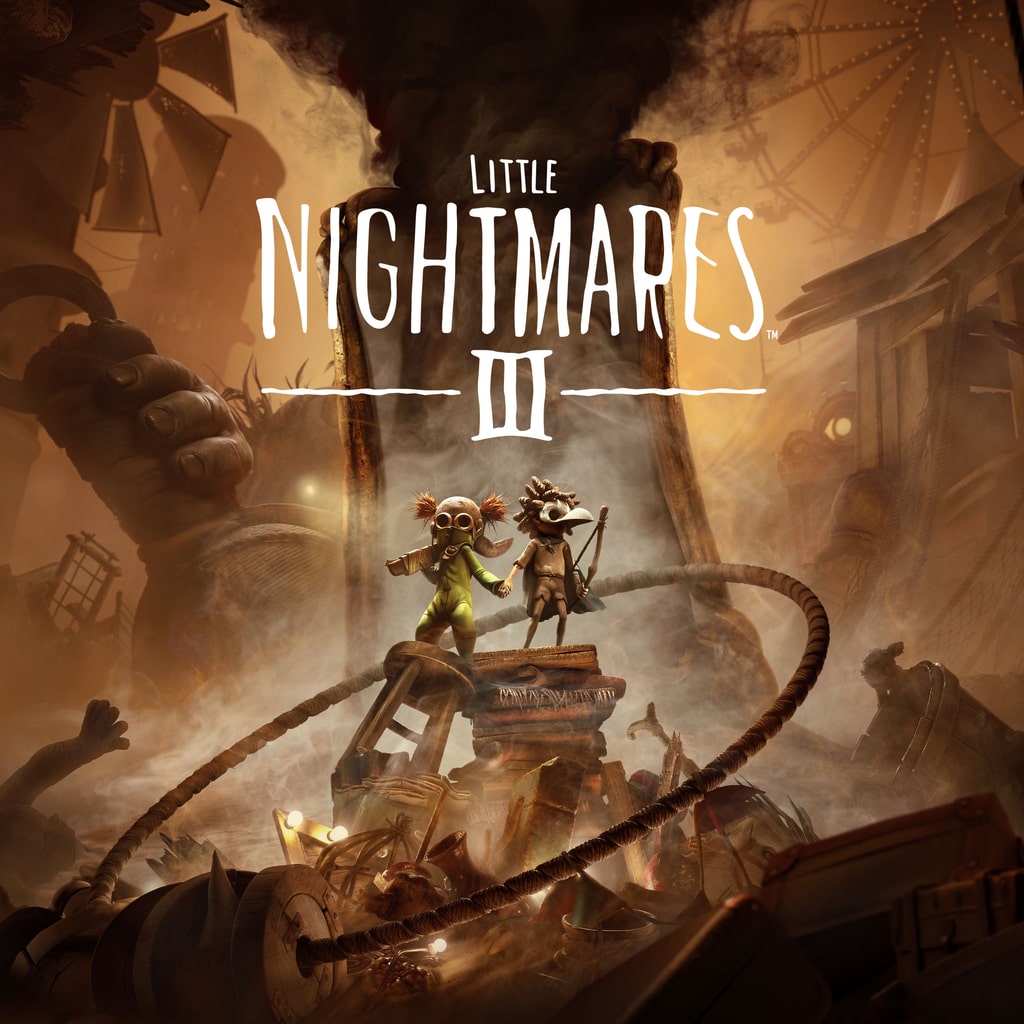
The Little Nightmares series is celebrated for its oppressive atmosphere, eerie worldbuilding, and clever puzzle design exploring childhood fears. With Little Nightmares III, Supermassive Games takes over from original developer Tarsier Studios, delivering a game dripping with style and dread but hampered by frustrating pacing and repetitive gameplay. While it retains much of the visual and emotional essence of the series, the experience ultimately feels like a cautious step forward that struggles to build lasting tension or innovate enough to satisfy longtime fans.
Setting and Story
Set in a twisted realm known as The Spiral, Little Nightmares III follows two new protagonists, Low and Alone, who flee through nightmarish locales ranging from disturbing cityscapes to bizarre carnivals. The story is deliberately cryptic and melancholy, threading childlike vulnerability with dark horror. Low wields a bow and Alone a wrench, introducing rudimentary combat tools that diversify interactions with the environment and enemies.
Narratively, the game explores themes of escape, trauma, and companionship. Its embodying motifs and visual storytelling create a haunting backdrop, capturing a unique blend of innocence and terror. While the story itself doesn’t break new ground, it conveys an earnest emotional core that keeps players intrigued despite mechanical shortcomings.
Gameplay and Mechanics
The gameplay centers on platforming, environmental puzzles, and stealth combined with occasional light combat sequences—now expanded slightly through Low’s bow and Alone’s wrench. Unfortunately, these additions feel underutilized, with combat encounters sparse and puzzle complexity modest. Much of the game revolves around rearranging crates and climbing structures, a repetitive formula that sometimes tests patience more than nerves.
Platforming often suffers from frustrating camera angles, dim lighting, and imprecise controls, leading to deaths that occasionally feel undeserved rather than thrilling. Checkpoint placements can compound this frustration, leading to frequent backtracking and breaks in immersion. Chase sequences and instant-death traps, staples of the series, remain present but tend to feel more like trial-and-error frustrations rather than genuinely tense moments.
On a positive note, the puzzles gradually grow more imaginative, particularly in the game’s final chapters. These later sections employ clever use of perspective shifts and interconnected environments, culminating in a satisfyingly atmospheric and dramatic finale—a highlight amid otherwise uneven pacing.
Atmosphere and Visuals
Little Nightmares III excels in aesthetic presentation, proudly showcasing some of the most striking environments in the series. Its muted color palette, meticulous lighting, and grotesque character designs craft a world thick with unease and visual storytelling. The sound design complements this atmosphere beautifully, with eerie ambient noises, distant groans, and unsettling silence amplifying tension.
The game’s art direction balances delicate, childlike elements with macabre details to create a captivating, if haunting, playground of shadows. Moments of visual grandeur, such as the carnival tent glowing under shimmering lights or the unsettling scale of oversized enemies, frequently evoke a dark fairy tale vibe that remains unforgettable despite mechanical flaws.
Co-op and New Features
A significant first for the series is the introduction of two-player cooperative gameplay, where each player controls one of the protagonists. This innovation has potential to deepen the experience by encouraging teamwork and adding complexity to puzzle-solving. However, reviews indicate that the cooperative integration is somewhat clunky and underdeveloped, occasionally hindering rather than enhancing gameplay flow. The game sometimes feels as if the co-op mode was an afterthought instead of a fully integrated evolution of the series.
Challenges and Frustrations
While Little Nightmares III retains the core identity of its predecessors, it amplifies many of their familiar frustrations: clunky controls, unevenly spaced checkpoints, repetitive environmental puzzles, and frustrating trial-and-error moments. These issues, sometimes exacerbated by the dark, intentionally obscured visuals, often invite more irritation than fear, dulling the suspense for longtime players.
Moreover, the game’s deliberate pacing and level design sometimes lead to extended sections of walking or waiting with minimal interactive engagement, causing players to lose momentum. Some critics noted that the game rarely surprises or scares as much as it hopes to, resulting in a mood that is foreboding but lacks consistent tension.
Conclusion
Little Nightmares III is a beautifully crafted, emotionally sincere entry that holds fast to the series’ unique atmosphere and visual horror aesthetic. It offers moments of genuine terror and memorable set pieces, particularly in the latter half, and benefits from the addition of co-op gameplay that, while imperfect, adds a fresh social dimension.
However, this charm is often undermined by repetitive and sometimes frustrating gameplay, uneven pacing, and a lack of real innovation. Many sequences devolve into trial and error with limited narrative or mechanical payoff, which may frustrate returning fans hoping for a bolder evolution of the franchise.
Ultimately, Little Nightmares III is more a melancholic echo of what made the originals great than a fully realised sequel. It’s worth exploring for the atmospheric journey alone, but players should brace for some rough spots along the way.